
July 3, 2024
The Global Assault on Women in Politics
This year, countries accounting for nearly half of the world’s population are holding national elections.
The right to vote and the right to stand for election are two fundamental elements of democracy. Notably, many countries did not afford women the right to vote until the 20th Century. Even today, universal suffrage is not a given right in all countries, and women often face obstacles that undermine their participation in political and electoral processes. There are various ways to support women in overcoming these obstacles. Such methods include revising the electoral system used, applying affirmative action mechanisms such as quotas, improving voter education for women and training political candidates. These are a few of the modes available to strengthen women’s political participation .Photo©Jens Franssen

This year, countries accounting for nearly half of the world’s population are holding national elections.
Last week, all UK political parties confirmed which candidates they were standing in each constituency for the 2024 general election. Including independents, a total of 4,515 candidates will be fighting for a seat in the next government.
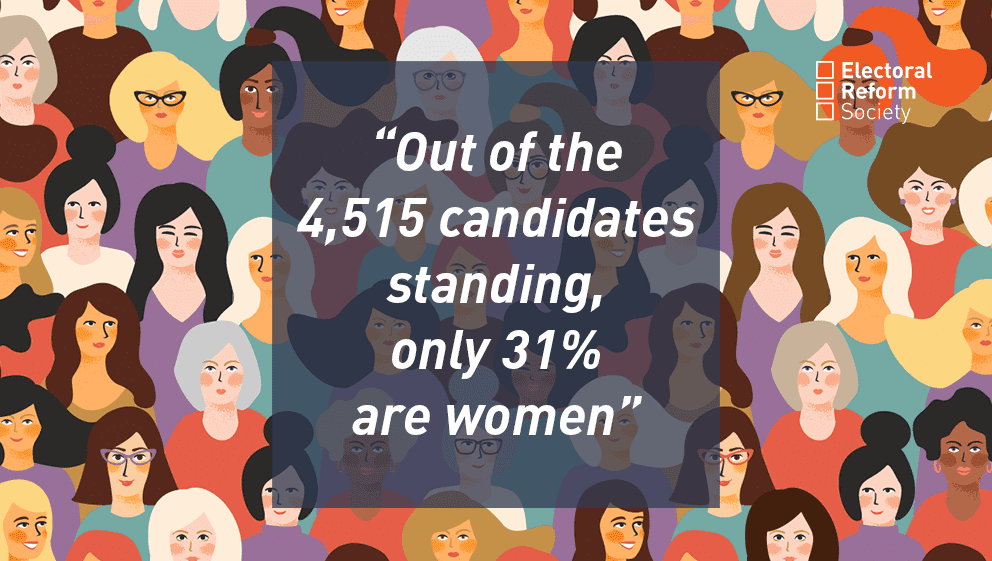
Last week, all UK political parties confirmed which candidates they were standing in each constituency for the 2024 general election. Including independents, a total of 4,515 candidates will be fighting for a seat in the next government.
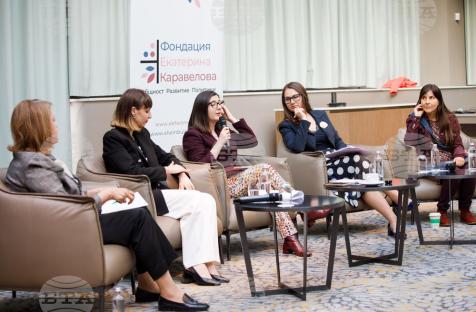
Women account for 27% of Bulgaria's new National Assembly (parliament), elected by a snap vote on June 9 and sworn in on June 19.
The recent local elections are a real-time example of why we need gender quotas.
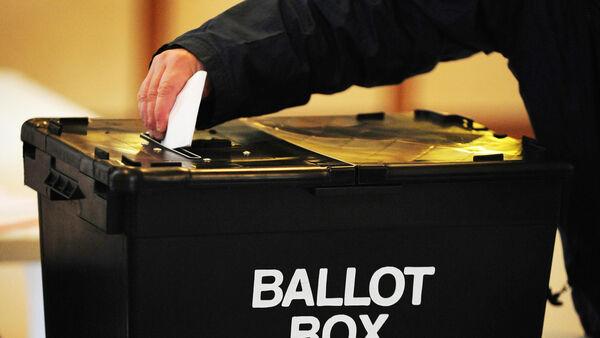
The recent local elections are a real-time example of why we need gender quotas.
India recently concluded its 2024 general elections, which took place in seven phases—from April 19 to June 1—to elect all 543 members of the Lok Sabha (lower house).
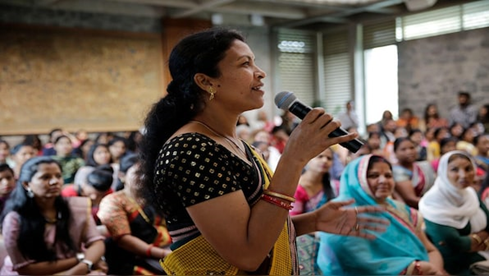
India recently concluded its 2024 general elections, which took place in seven phases—from April 19 to June 1—to elect all 543 members of the Lok Sabha (lower house).
Only 30% of candidates are female, writes Hannah Stevens. The issues lie in selection processes and procedures that create enormous barriers to entry for women, disabled people and ethnic minorities.
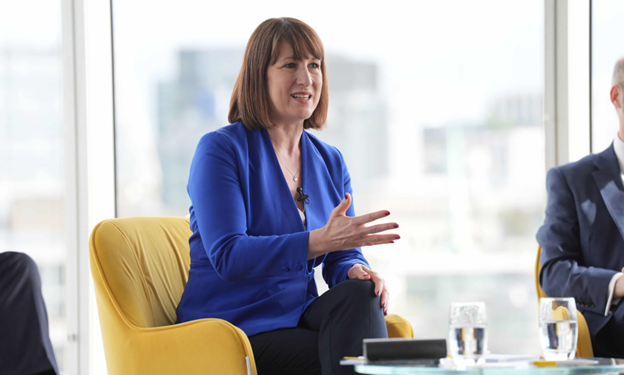
Only 30% of candidates are female, writes Hannah Stevens. The issues lie in selection processes and procedures that create enormous barriers to entry for women, disabled people and ethnic minorities.

Abuse of female election candidates is becoming worse, say candidates, activists and charities.
On June 2, over 60 percent of registered Mexican voters went to the polls for a monumental election, with over 20,000 public offices up for grabs at the federal and local levels.
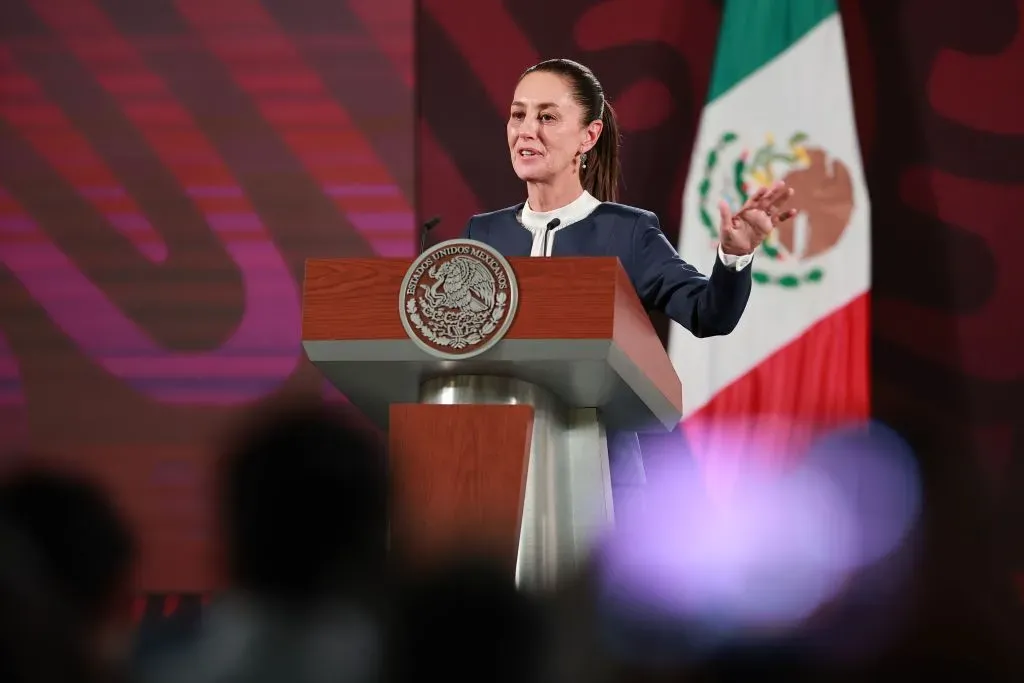
On June 2, over 60 percent of registered Mexican voters went to the polls for a monumental election, with over 20,000 public offices up for grabs at the federal and local levels.