Rumbidzai Nhundu is a multi-disciplinary Gender practitioner, with several years of hands-on professional experience on Gender Equality and Women’s Empowerment initiatives at national, regional and international levels.
Elections
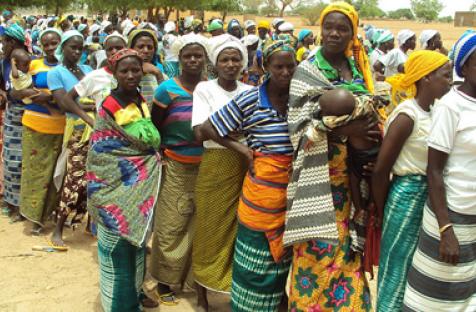
The right to vote and the right to stand for election are two fundamental elements of democracy. Notably, many countries did not afford women the right to vote until the 20th Century. Even today, universal suffrage is not a given right in all countries, and women often face obstacles that undermine their participation in political and electoral processes. There are various ways to support women in overcoming these obstacles. Such methods include revising the electoral system used, applying affirmative action mechanisms such as quotas, improving voter education for women and training political candidates. These are a few of the modes available to strengthen women’s political participation .Photo©Jens Franssen
Female representation in the newly elected parliament is at its highest level in the history of the Turkish republic with 50 female deputies, thanks to campaigns to raise awareness on the subject.The former parliament had only 24 female deputies, 4.4 percent of the total.
In "Election Day," a documentary about the experiences of voters in the 2004 election, an Ohio woman is shown having trouble casting her ballot. She had moved, and despite re-registering, went to three different poll locations because her name didn't appear on the books.
At first glance, women are doing better in Sierra Leone. In the last election, women tripled the number of seats they hold in parliament. They now control 14 percent of parliament. A few women have even taken up prominent ministry posts.
President Gloria Macapagal-Arroyo called on women leaders to campaign for the modernization of voting, counting and canvassing as she pointed out that funds for the computerization of elections has long been provided.
Former lawmaker and journalist Azam Taleghani is one of two women to have announced plans to run in Iran's presidential election in June.In the unlikely event Taleghani were to become president, she would encounter obstacles not often associated with a head of state.To attend state functions abro
Former lawmaker and journalist Azam Taleghani is one of two women to have announced plans to run in Iran's presidential election in June.In the unlikely event Taleghani were to become president, she would encounter obstacles not often associated with a head of state.
Women in the conservative Gulf state of Kuwait aim to make it third time lucky as they contest seats in parliament after two failed attempts in legislative elections.
Pagination
- Previous page
- Page 237
- Next page