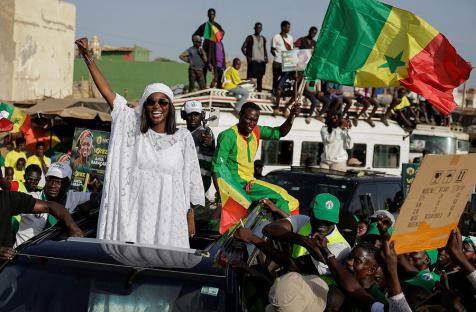
It’s presidential campaign season in Senegal’s capital city and all over town the candidates’ faces beam down at voters from posters tacked to light poles and plastered on billboards.
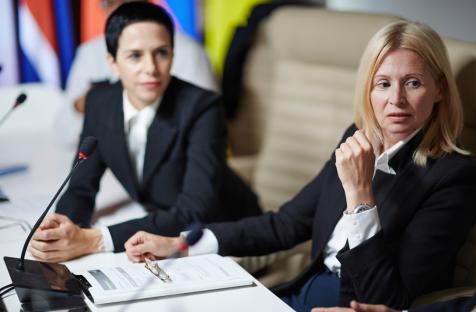
The right to vote and the right to stand for election are two fundamental elements of democracy. Notably, many countries did not afford women the right to vote until the 20th Century. Even today, universal suffrage is not a given right in all countries, and women often face obstacles that undermine their participation in political and electoral processes. There are various ways to support women in overcoming these obstacles. Such methods include revising the electoral system used, applying affirmative action mechanisms such as quotas, improving voter education for women and training political candidates. These are a few of the modes available to strengthen women’s political participation .Photo©Jens Franssen
It’s presidential campaign season in Senegal’s capital city and all over town the candidates’ faces beam down at voters from posters tacked to light poles and plastered on billboards.
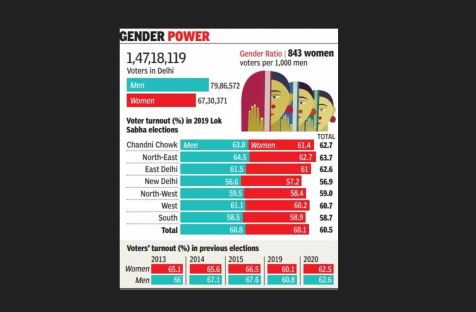
NEW DELHI: With more women participating in voting than ever before and even dominating political discourse within their households, they now find themselves at the forefront of various schemes and policies announced by political parties ahead of elections.
In our pursuit of gender equality, the Council of European Municipalities and Regions (CEMR) is committed to exposing the hurdles faced by women in local and regional politics.
Earlier this year, the IPU announced that around 70 elections were slated to take place in 2024, in what has been dubbed a super election year.
In 1906, Finland became the first country in Europe to grant women the right to vote, with the adoption of universal suffrage, at the same time as it won its autonomy from the Russian Empire.
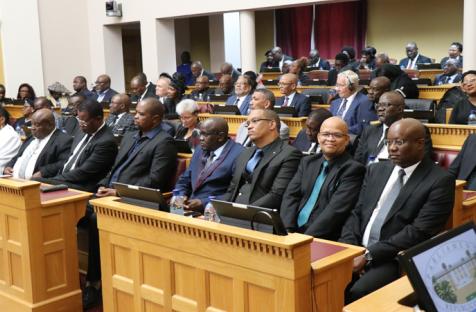
In a parliamentary democracy like Namibia, all power shall be vested in the people through freely elected representatives exercising this power.
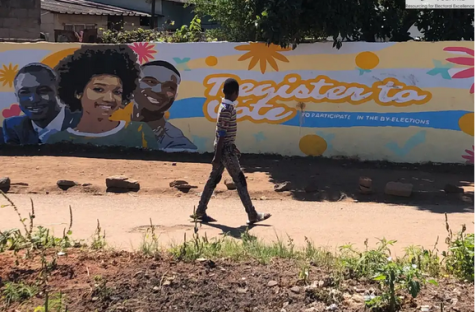
The Zimbabwe Election Support Network (ZESN), a coalition of non-governmental organizations that promotes democratic elections has called for more youth participation and representation in Zimbabwe’s electoral and governance processes, citing the low number of young la
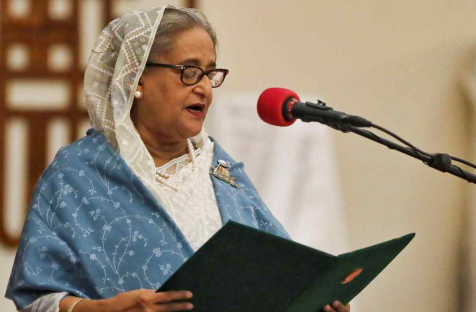
TOKYO -- Two strong, prominent female leaders have found themselves facing very different political futures in neighboring countries on the Bay of Bengal.
A Step Forward but Not Enough