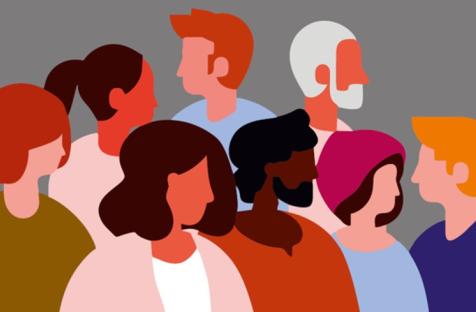
As part of its commitment to enhancing gender equality and fighting sexism against women candidates and local office holders, the Congress launched, on 18 January 2024, a practical Guide for women and men on preventing and combatting sexism in lo
The right to vote and the right to stand for election are two fundamental elements of democracy. Notably, many countries did not afford women the right to vote until the 20th Century. Even today, universal suffrage is not a given right in all countries, and women often face obstacles that undermine their participation in political and electoral processes. There are various ways to support women in overcoming these obstacles. Such methods include revising the electoral system used, applying affirmative action mechanisms such as quotas, improving voter education for women and training political candidates. These are a few of the modes available to strengthen women’s political participation .Photo©Jens Franssen
As part of its commitment to enhancing gender equality and fighting sexism against women candidates and local office holders, the Congress launched, on 18 January 2024, a practical Guide for women and men on preventing and combatting sexism in lo
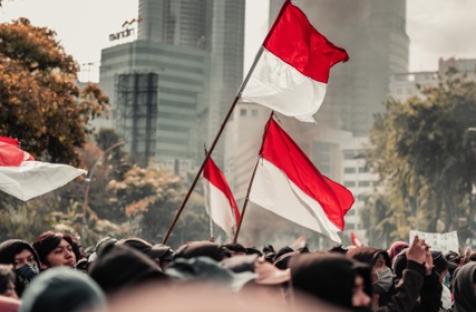
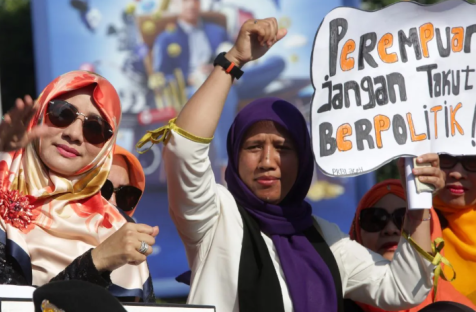
In the 2019 general elections, Indonesian voters elected 118 women to the Indonesian House of Representatives (DPR). Although an increase from 2014, when just 97 women were elected, women still only account for 21 per cent of the 575-member parliament.
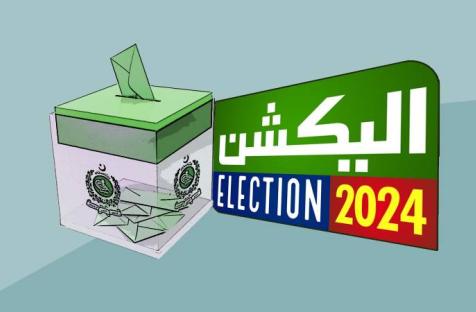
In 2024, 1.5 billion people are expected to vote in national elections in what will be a record year for democracy, with elections happening in at least 64 countries and the European Union.
In the wake of the COVID-19 pandemic, nearly 120 million people were pushed into vulnerable situations and we witnessed a great need for more community engagement and participation across the board.
Following President Megawati Soekarnoputri's term, Indonesia, the largest nation in Southeast Asia, has yet to witness a woman at
More than 70 national elections are scheduled for 2024, including in eight of the 10 most populous countries. But one group is likely to be significantly under-represented: women.
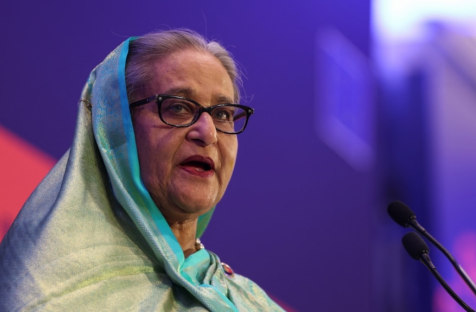
Although two women — Sheikh Hasina and Khaleda Zia — served as prime ministers of Bangladesh for 31 out of 33 years since 1991, the representation of women in national politics is still negligible.
Online bullying of women and girls in Indonesia skyrocketed during the COVID-19 pandemic, and this disturbing trend has continued and even intensified
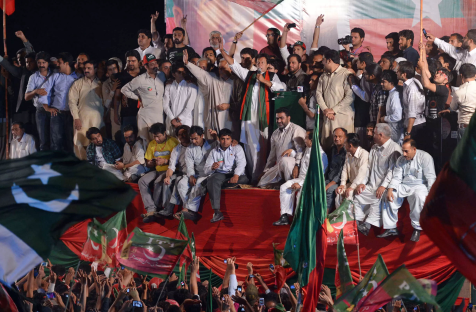
ISLAMABAD: As political parties get ready for the upcoming general elections in February, they ought to think about feeling the pulse of a populace that is eager for change, according to Dawn.