Elections
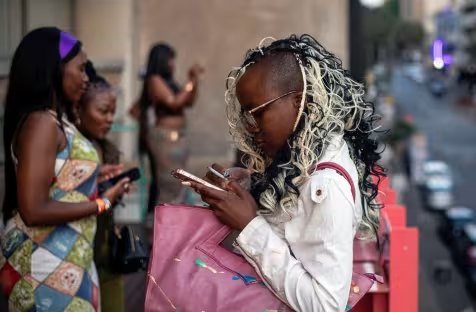
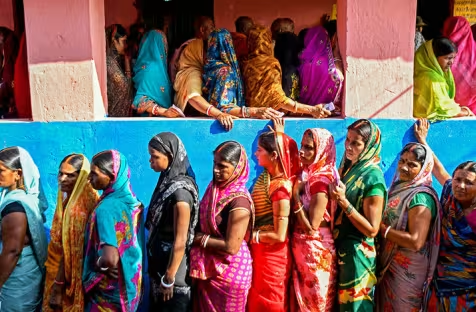
The right to vote and the right to stand for election are two fundamental elements of democracy. Notably, many countries did not afford women the right to vote until the 20th Century. Even today, universal suffrage is not a given right in all countries, and women often face obstacles that undermine their participation in political and electoral processes. There are various ways to support women in overcoming these obstacles. Such methods include revising the electoral system used, applying affirmative action mechanisms such as quotas, improving voter education for women and training political candidates. These are a few of the modes available to strengthen women’s political participation .Photo©Jens Franssen
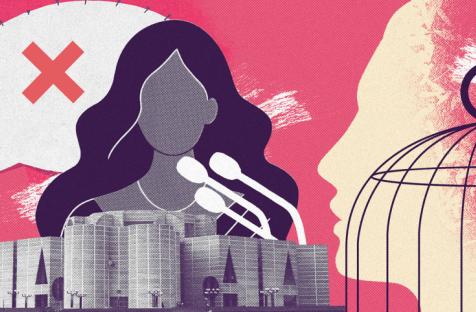
In Bangladesh, the Forum for Women’s Political Rights has called for comprehensive electoral reforms to ensure fair and inclusive representation of women in the political arena.
Women have been urged not to take back seats but participate actively in shaping politics in 2027. Women empowerment advocate and entrepreneur, Mrs.
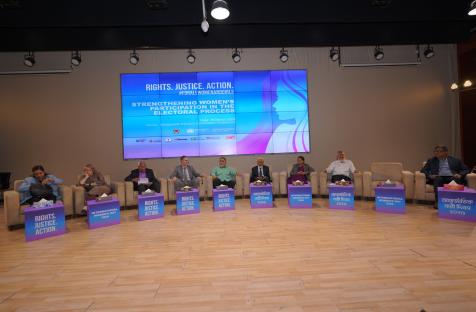
Thousands Join to Boost Women’s Participation in Politics
A record number of 42 female candidates were elected in Sunday’s Upper House election, marking a step forward for gender representation in Japan’s political landscape.
The Government has announced plans to allow 16 and 17-year-olds to vote across the UK by the next general election.
What you need to know:
-
Myllene Bosibori's political journey exposes deep gender, ethnic, and financial barriers facing Kenyan women candidates.
An Byunghui was in the middle of a video game on the night of 3 December when she learned that the South Korean president had declared martial law.
This election, a lot of focus was directed at young voters.
Pagination
- Previous page
- Page 4
- Next page