Breaking Gender Barriers in Taiwan Politics
Issues Surrounding the Quota System in Local Taiwan Government
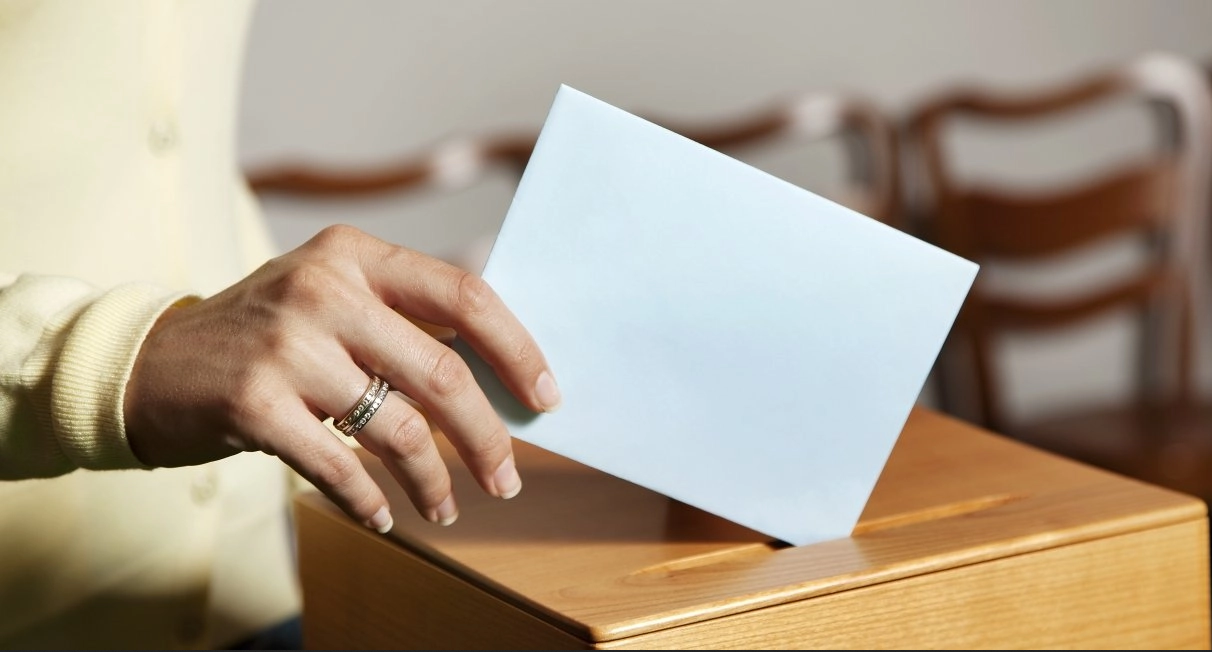
The right to vote and the right to stand for election are two fundamental elements of democracy. Notably, many countries did not afford women the right to vote until the 20th Century. Even today, universal suffrage is not a given right in all countries, and women often face obstacles that undermine their participation in political and electoral processes. There are various ways to support women in overcoming these obstacles. Such methods include revising the electoral system used, applying affirmative action mechanisms such as quotas, improving voter education for women and training political candidates. These are a few of the modes available to strengthen women’s political participation .Photo©Jens Franssen
Issues Surrounding the Quota System in Local Taiwan Government
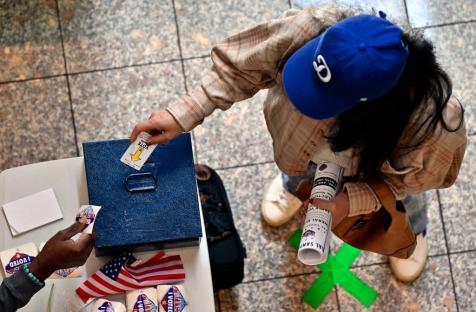
Young women in America have seen two female presidential candidates lose to President Donald Trump during some of the most formative years of their lives.
THE lack of women representation in parliaments across the world remains a vexed and contentious issue.
Handicraft market trader Tui Johnson has barely had time to think about politics ahead of Vanuatu’s national election as she struggles to survive after last month’s earthquake.
This year, 18 of Africa’s 54 countries went to the polls for presidential or general elections, making 2024 a significant year on the continent.
Ghana made history when the National Democratic Congress (NDC) nominated Professor Jane Naana Opoku-Agyemang as the running mate to former President John Dramani Mahama for the 2020 general elections.
In recognition of the gender gap in political representation, the Inter-Party Advisory Council (IPAC) Nigeria has expressed support for the passage of a bill before the National Assembly to reserve special seats in national and state legislatures for women.
Prof. Naana Jane Opoku-Agyemang has officially assumed the role of Vice President of Ghana following her swearing-in on Tuesday.
Only 28 women stood for parliament out of 258 contestants, representing 10.85 per cent. Only three women won their seats. This represents 4.92 per cent of the 61 seats. It’s a drop from 5.26 per cent in the 2019 elections.