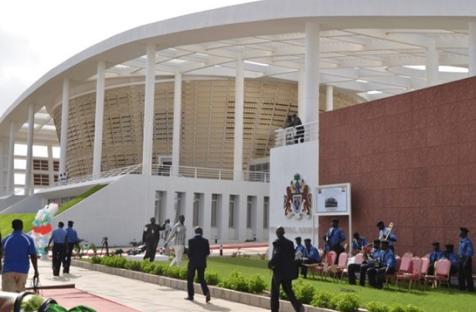
A dozen of women groups have expressed their concerns and dissatisfaction over the number of women that were elected on the 9th April elections as members of the country’s National Assembly.
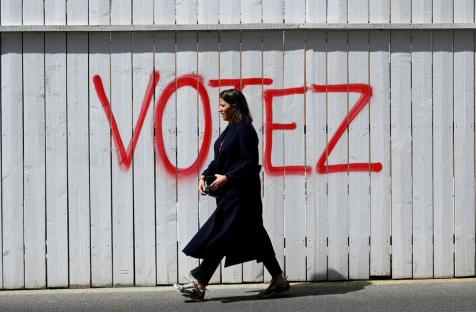
The right to vote and the right to stand for election are two fundamental elements of democracy. Notably, many countries did not afford women the right to vote until the 20th Century. Even today, universal suffrage is not a given right in all countries, and women often face obstacles that undermine their participation in political and electoral processes. There are various ways to support women in overcoming these obstacles. Such methods include revising the electoral system used, applying affirmative action mechanisms such as quotas, improving voter education for women and training political candidates. These are a few of the modes available to strengthen women’s political participation .Photo©Jens Franssen
A dozen of women groups have expressed their concerns and dissatisfaction over the number of women that were elected on the 9th April elections as members of the country’s National Assembly.
“Political parties have not done much sponsoring female candidates,” a recent report from Gambia Participates a civil society organisation that religiously observes elections in the Gambia has said.
By Alice Kantor
Few feminist policies have been campaign talking points during the election.
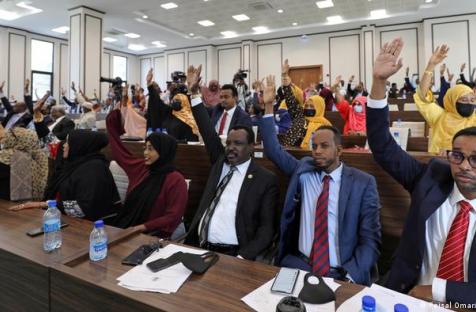
Although Somalia now has a quota system for female lawmakers, women are frequently held back from pursuing leadership roles due to pervasive cultural and social barriers.
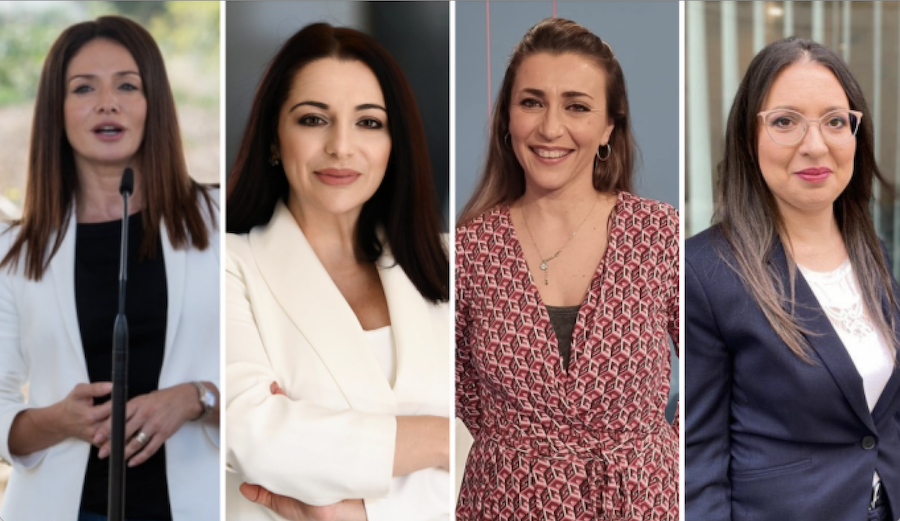
Just four women were elected during the 2022 general election but a deeper analysis also shows that women contesting on the Labour ticket obtained almost 20,000 first-count votes, which compares very well with the 14,000 first preferences obtained in 2017.
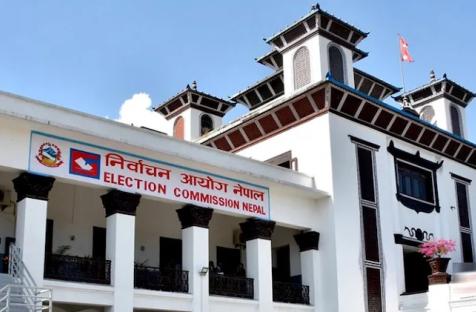
The commission rescinded the decision after the political parties protested against the provision stating that it is against existing laws.
Election observers warn that rampant hate speech could result in violence.
The Study "Violence Against Women in Politics" is commissioned by the UNDP Albania, in partnership with the People's Advocate and the Commissioner for Protection from Discrimination and it is conducted in the context of the UN Joint Programme "Ending Violence Against