When a president addresses Congress flanked by the vice president and speaker of the House, it's tradition. But when both of those seats are filled by women, it's history in the making.
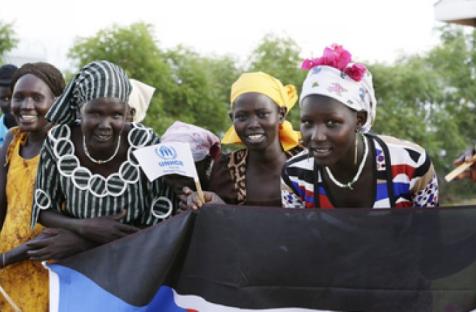
The right to vote and the right to stand for election are two fundamental elements of democracy. Notably, many countries did not afford women the right to vote until the 20th Century. Even today, universal suffrage is not a given right in all countries, and women often face obstacles that undermine their participation in political and electoral processes. There are various ways to support women in overcoming these obstacles. Such methods include revising the electoral system used, applying affirmative action mechanisms such as quotas, improving voter education for women and training political candidates. These are a few of the modes available to strengthen women’s political participation .Photo©Jens Franssen
When a president addresses Congress flanked by the vice president and speaker of the House, it's tradition. But when both of those seats are filled by women, it's history in the making.
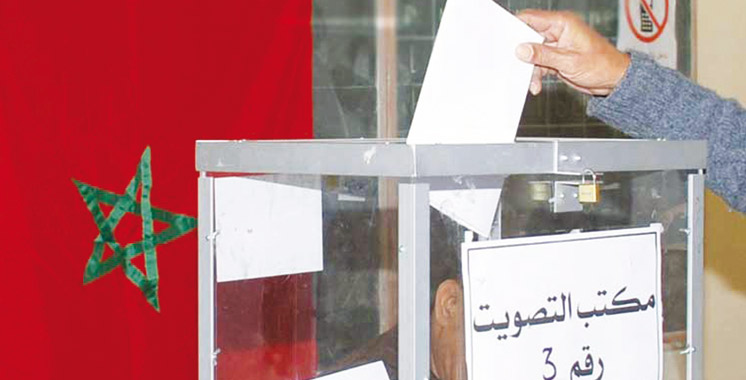
Cape Vedians headed to the polls to cast their ballots in the parliamentary elections.
On voters' minds will be the Covid pandemic which has devastated the tourism-dependent economy.
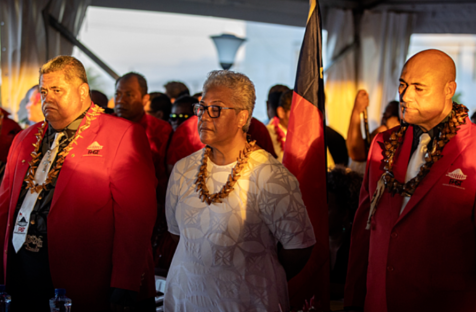
Following last week’s election, Samoa’s long-time ruler could be displaced by the country’s first female leader.
Wellington (AFP) – Samoa’s cliff-hanger general election is a victory for under-represented women in Pacific island politics, regardless of the final outcome, opposition leader Fiame Naomi Mataafa said Monday.
With female participation in this week’s election in the Netherlands breaking records, one campaign group can be excused for feeling optimistic.
Executive Summary
Executive Summary
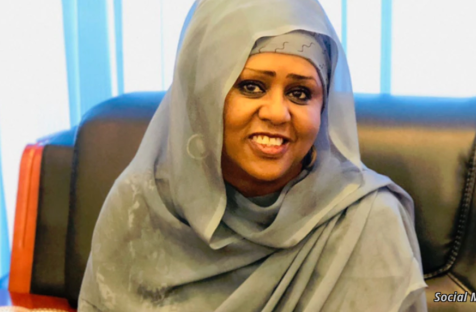
In Chad, women represent more than 50% of the total population and are a decisive electorate -- capable of tipping the scale in elections.
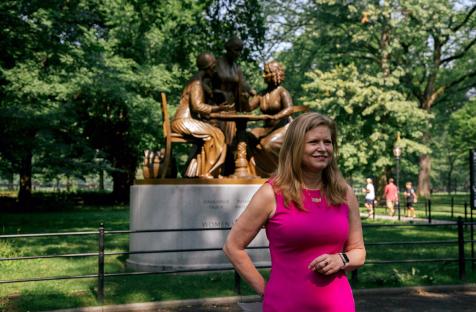
2020 was a milestone year for women in politics in the US. The country saw the highest numbers of women entering Congress and the executive in its history.
After the November 2020 national elections, women make up 49 per cent of the Legislative Assembly of the Plurinational State of Bolivia, cementing its position as a forerunner on gender parity in politics.