Gender Networking and Advocacy Work in Uganda: Controlling the Agenda and Strategies of Resistance
This article examines the relationships between various actors in Uganda who have an interest in advocacy on gender issues.

This article examines the relationships between various actors in Uganda who have an interest in advocacy on gender issues.
At the close of the millennium, there is a wave of invigorating air sweeping across the African continent. The refreshing breeze can be felt in the form of women smashing the gendered 'glass ceiling' in a bid to overcome the cultural and structural barriers that impede their political careers.
While gender research methodologies, such as gender-analysis frameworks, can contribute to ensuring that development practice promotes gender equality, their use is only one element in the process, and cannot alone ensure that gender considerations are integrated into development practice.
This guide is designed to help education and gender campaigners, and organisations and coalitions, work more effectively with the media to promote gender-equitable education. It explores issues relating to gender equality in education and contains practical advice on working with the media.
The handbook provides a comparative overview of gender-aware legislation and practices in Central and Eastern Europe and the Commonwealth of Independent States.
This report maps the situation of gender and ICTs in Central and Eastern Europe and the Commonwealth of Independent States, identifying trends, gaps, as well as some good practices.
This report contains the findings and recommendations that emerged from the comprehensive evaluations of democracy at the local level in four cities in East and Southern Africa. The report also includes the Local Democracy Assessment Methodology developed by IDEA.
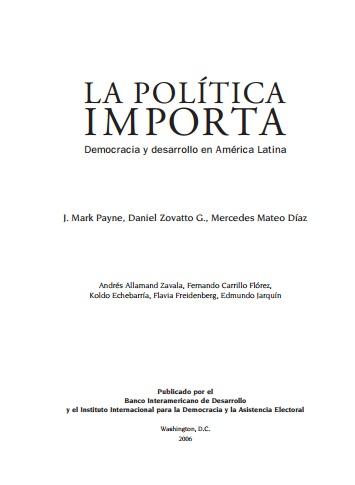
The advance of democracy in Latin America over the past quarter century has contributed significantly to ensuring respect for fundamental political freedoms, civil liberties, and human rights.
This report describes the current status of gender equality laws across the United States and the lessons learned during the last three decades of the 20th century. It also discusses issues faced by women in employment, domestic violence, poverty, and welfare system.