There is an Ethel, a Melanie, a Dana, a Jolie, a Melody, a Nancy, a Judith, and a Margaret who would prefer voters call her Peggy.
Women are all over Lake and Porter county ballots this spring.
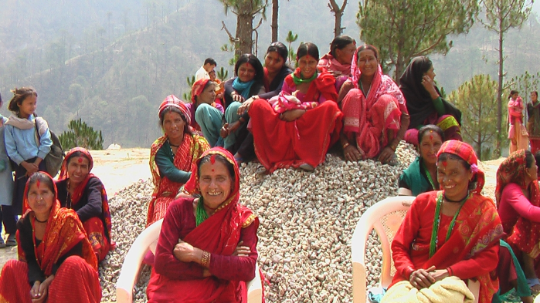
Local governments are in a unique position to contribute to the global struggle for gender equality by improving the status of women around the world. Local Governments are the level of governance closest to the citizens and as service providers and employers have an important role in creating the conditions that encourage women’s political participation. In this special feature, we are collecting knowledge resources, case studies, stories and interviews from women active in local politics.
There is an Ethel, a Melanie, a Dana, a Jolie, a Melody, a Nancy, a Judith, and a Margaret who would prefer voters call her Peggy.
Women are all over Lake and Porter county ballots this spring.
Women not only outnumber men on electoral rolls in the state, they also outscored them in casting votes. The Election Commission on Saturday said 2.03 crore women — 73.86% of the total women voters — cast their votes in the Lok Sabha elections held on Thursday.
Group and individual proponents advocating for increased participation of women in governance, have been urged to brace up for another round of advocacy, as the local government elections, approaches later this year.
Khyber Pakhtunkhawa Chief Minister Pervez Khattak has announced that women police desks would be established at all 500 police stations of the province to facilitate the province’s female population.
The aim of the present study is to find out whether a quantitative rise in the representation of women in political decision-making can transform into qualitative changes in the participation of women, so that it can pave the way for political empowerment of women.
While women remain under-represented in elections, an interesting new dimension has emerged from the first analysis of 50 years of Assembly election data. India’s backward States systematically put up more female candidates than the developed southern States.