Asian American Women in Politics
The 2020 U.S. Census found that Asian Americans were the fastest-growing segment of the U.S.
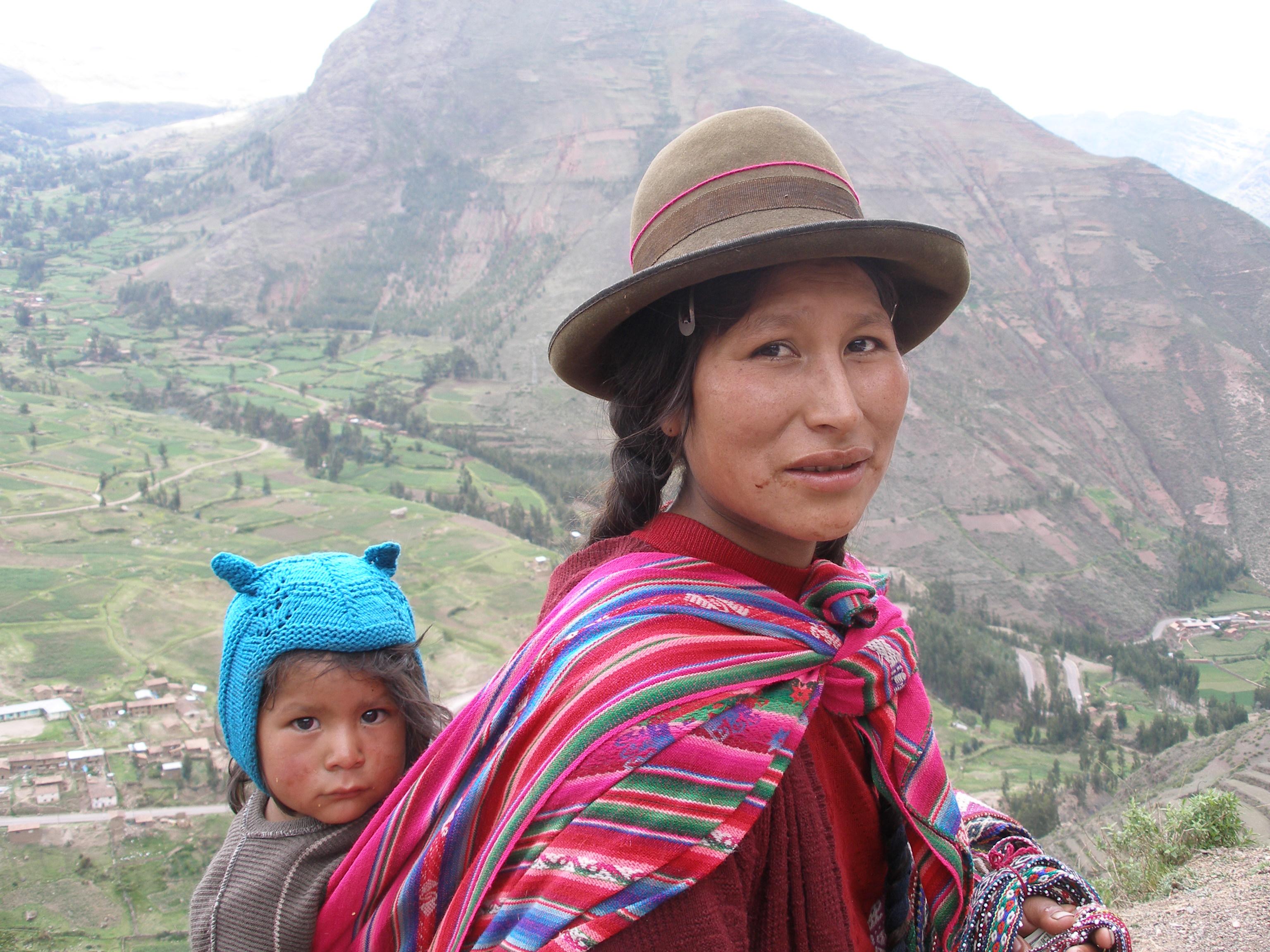
Indigenous women and other minorities suffer from a lack of political representation, economic marginalization and poverty, lack of access to social services and discrimination. This section highlights news, resources and stories on minorities and indigenous women's struggle for political inclusion.
The 2020 U.S. Census found that Asian Americans were the fastest-growing segment of the U.S.
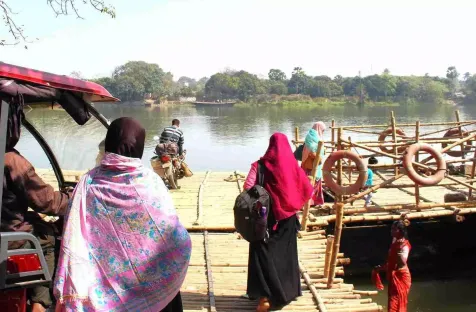
Women board a crude vessel to cross the Ganga in Murshidabad. With every year of handling money, papers and government offices as their husbands and sons remain away, women are becoming more independent and less willing to merely obey their instructions. The Federal photo
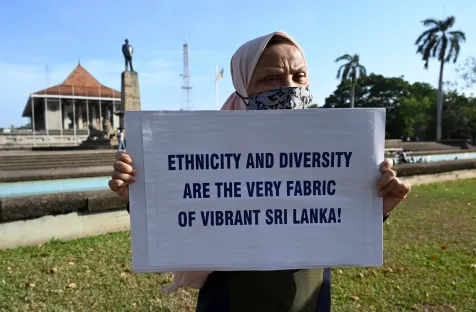
Women from minority ethnic and religious groups in Sri Lanka continue to be systematically discriminated against and marginalized in mainstream politics, new research shows.
Women with disabilities persevere for political recognition and representation, confronting severe stigma and systemic barriers amid Kenya's increasingly combative and male-dominated political arena.
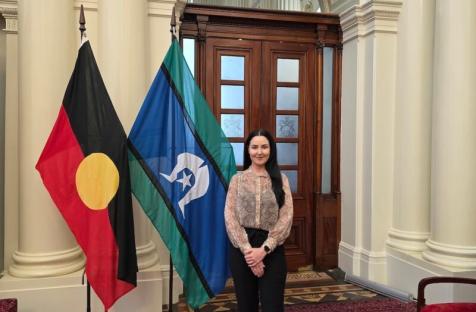
Tekan Cochrane is an Australian Indigenous lawyer with Kooma, Yuwaalaraay and Torres Strait Islander heritage, as well as diverse European heritage.
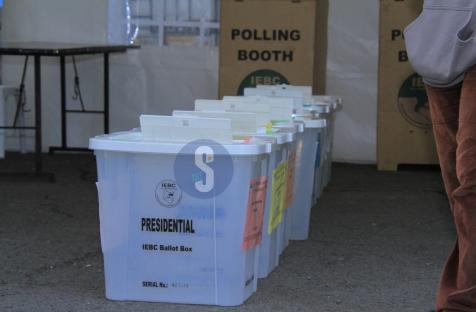
Politics has long been viewed as a male-dominated arena, with only a handful of women daring to venture into it.
Even then, women politicians often face dismissal, branded as mere “flower girls” for party leaders.

Globally, an estimated one in five women have a disability.
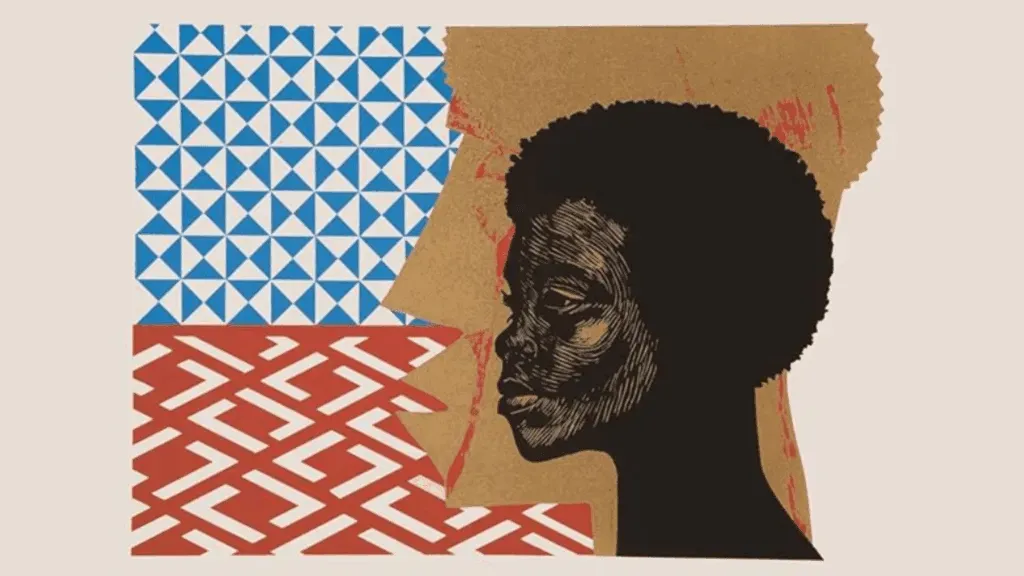
In times of great political turmoil, it can be instructive and reassuring to read about people who have been in similar situations, and have persevered in fighting for something better.