The participation of indigenous women in the United Nations General Assembly
By Mariana Jardim Andrade Leones
Indigenous women and other minorities suffer from a lack of political representation, economic marginalization and poverty, lack of access to social services and discrimination. This section highlights news, resources and stories on minorities and indigenous women's struggle for political inclusion.
By Mariana Jardim Andrade Leones
The first ever indigenous peoples world conference concludes with a focus on climate.The Outcome Document also focuses on the rights of in
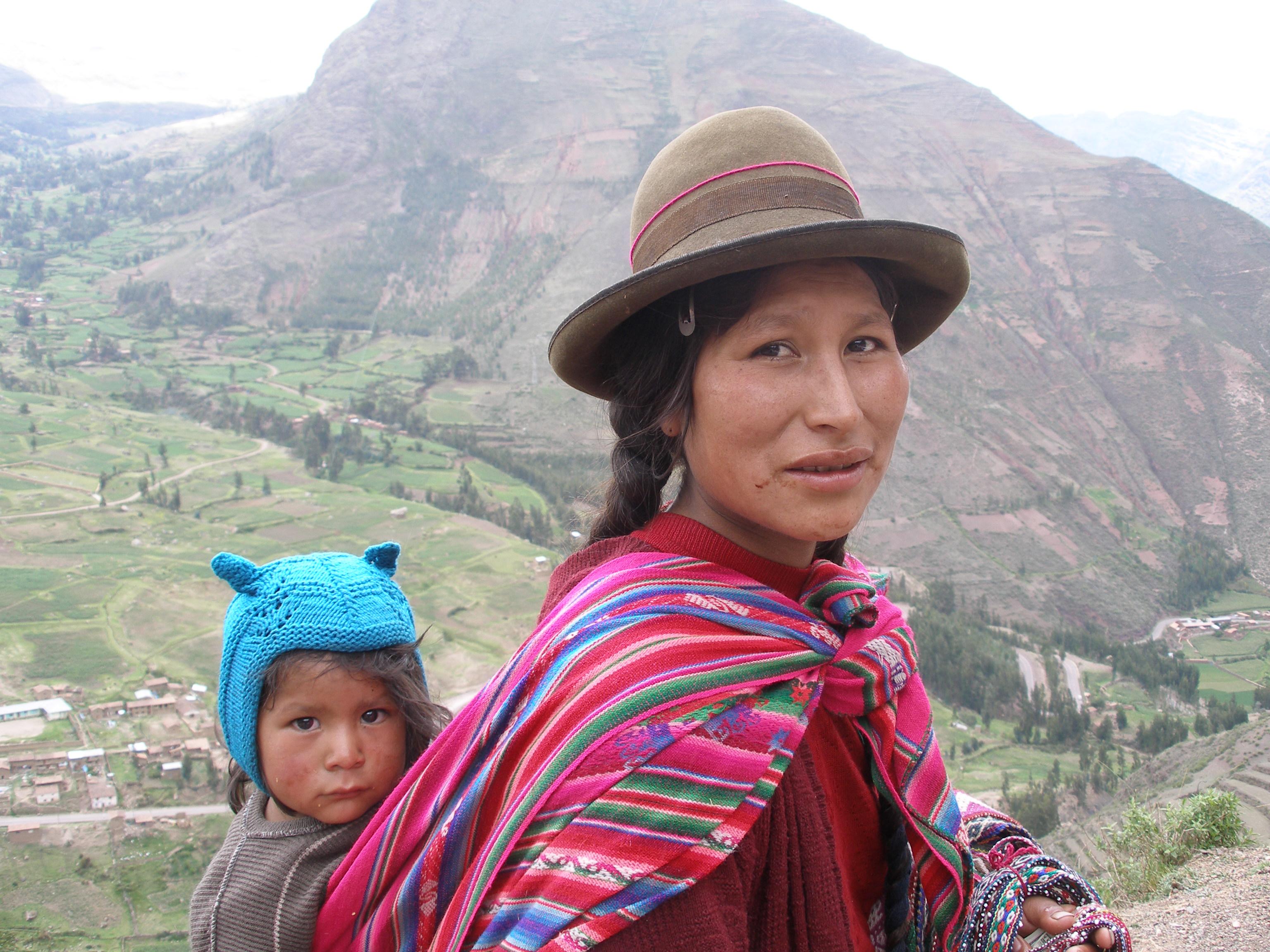
There are approximately 370 million indigenous peoples in some 90 countries throughout all regions of the world. While they constitute 5 per cent
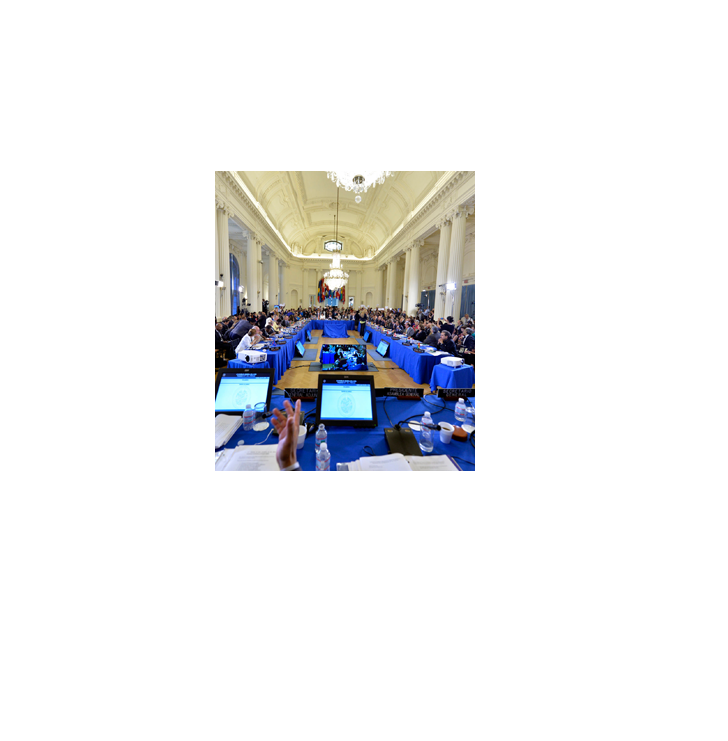
The United Nations General Assembly is one of the main deliberative organ policymaking and representative organ of the United Nations, is integrated by 193 Member States. The General Assembly meets in regular session each year from September to December.
Tarcila Rivera Zea was 44 years old when she took part in the World Conference on Women in Beijing in 1995. Today, this indigenous Peruvian activist is President of the Centre for Indigenous Cultures of Peru (CHIRAPAQ) and a member of the UN Women Civil Society Advisory Group.
When Marcelina Bautista Bautista left her indigenous Mixtec community in Nochtixtlan, in the Mexican state of Oaxaca, at the age of 14 with only a primary school education and no knowledge of Spanish, she didn’t dream that one day she would end up contributing to the development of an internation
This publication, published in 2013 by the International Institute for Elec