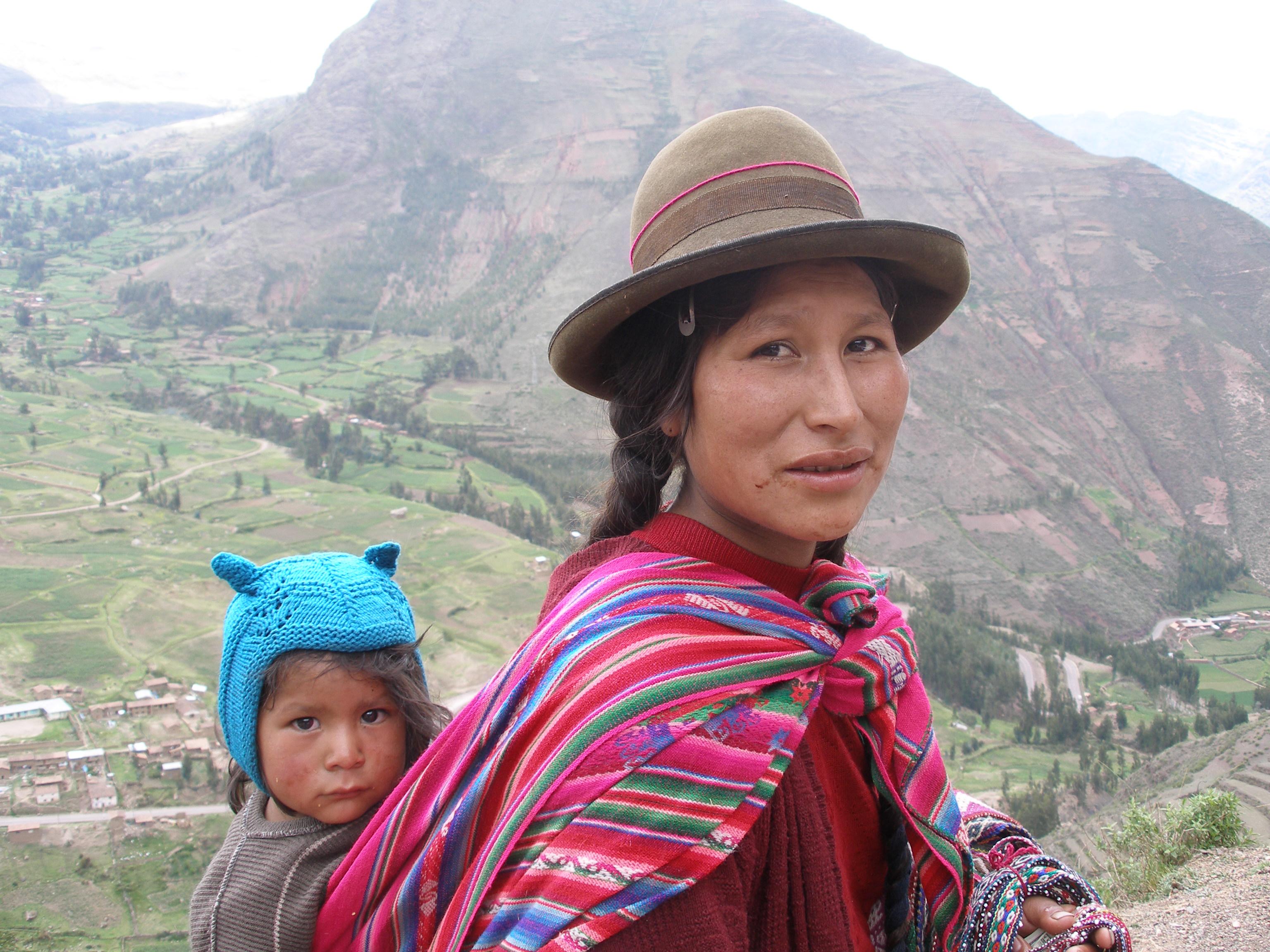
Minorities and Indigenous Women
Indigenous women and other minorities suffer from a lack of political representation, economic marginalization and poverty, lack of access to social services and discrimination. This section highlights news, resources and stories on minorities and indigenous women's struggle for political inclusion.
Zameer Akhtar, 28, is participating in the electoral process for the very first time. Being a woman and living in a joint family in Pakistan, getting consent from her elders for her decision wasn’t simple at first.
Senator Nkechi Nwaogu, who represents Abia Central senatorial districts in the 7th Senate, is a strong voice, especially among the eight women in the chamber, and one of the aspirants said to be lining up for the Abia governorship race in 2015.
According to a 2012 survey by the World Economic Forum, Pakistan is still considered to be one of the worst places in the world to be a woman.
For decades, not a single woman in this dusty Pakistani village surrounded by wheat fields and orange trees has voted. And they aren't likely to in next week's parliamentary election either. The village's men have spoken.
African women make less than one percent of the senior counsel in the legal profession in South Africa, the Sunday Times reported.
Speech by Lakshmi Puri, Acting Head of UN Women, at the High-level Conference on Women’s Leadership in the Sahel, 9 April 2013, Brussels, Belgium
Event
Conference on Women’s Leadership in the Sahel
Watch the live webcast of the high-level segment of the Sahel Conference, April 11
Pagination
- Previous page
- Page 40
- Next page