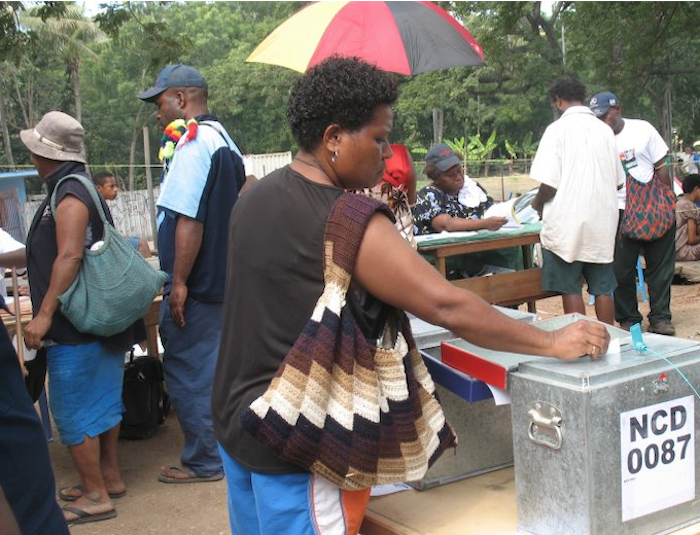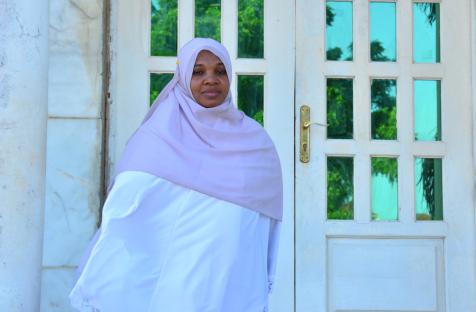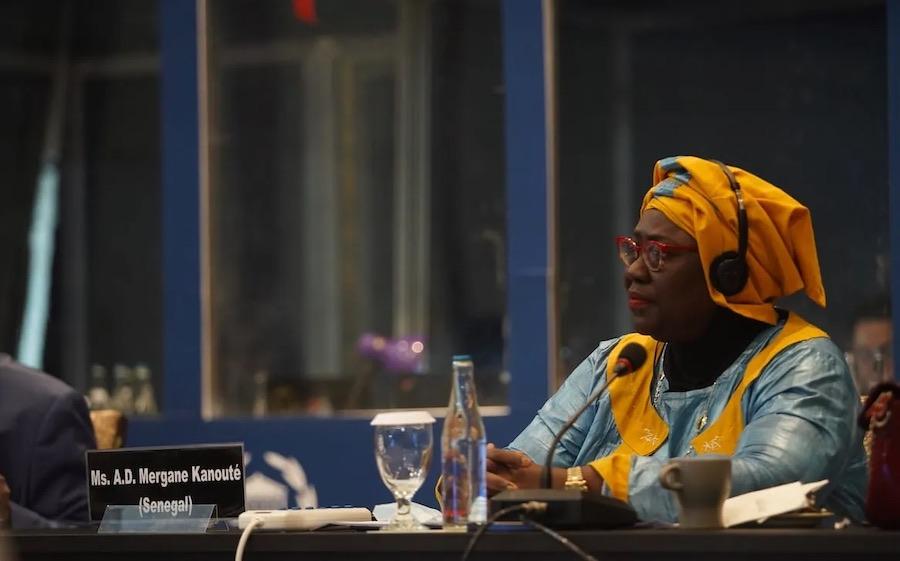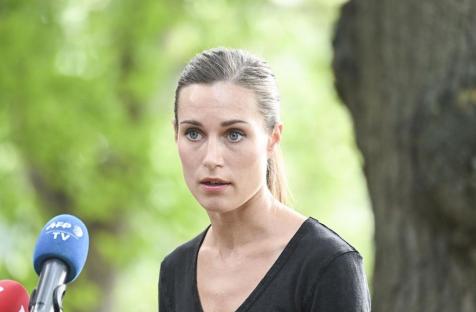
Rufina Peter is just the eighth woman elected in Papua New Guinea. But the economist has been battling for her place in society since she was a child.
Democracy and the equal participation of men and women in the political arena are closely intertwined. No parliament or any decision-making body can claim to be representative without the participation of both men and women. As stated in the Universal Declaration on Democracy adopted by the Inter-Parliamentary Union’s Member Parliaments in 1997, "The achievement of democracy presupposes a genuine partnership between men and women in the conduct of the affairs of society in which they work in equality and complementarity, drawing mutual enrichment from their differences."
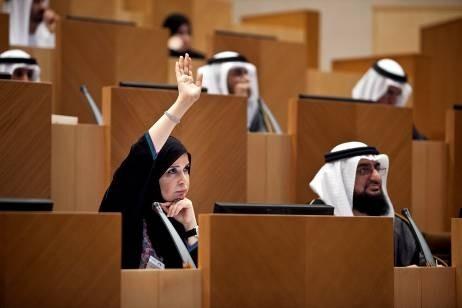
Recent years have seen a steady increase in the number of women in parliament, though the world average of less than 22 percent remains far from the goal of parity between women and men. The election of women to the highest positions of state and government in several countries has also contributed to the changing face of politics.
While the road to election is a difficult one, the challenges for women do not stop there. Once women enter parliament or other bodies, they are faced with many new challenges. Parliament is traditionally a male-oriented domain where the rules and practices have been written by men. It is, therefore, an ongoing challenge to transform parliament into a gender-sensitive environment, to ensure that actions are gender-sensitive and to guarantee that gender is mainstreamed throughout the legislature.
Rufina Peter is just the eighth woman elected in Papua New Guinea. But the economist has been battling for her place in society since she was a child.
Africa has made significant progress in enhancing inclusive political participation and representation, mostly for women, youth and people living with disabilities. This report unpacks the trends and challenges of inclusive participation in Africa.
Labor Senator for Victoria Jana Stewart made history by becoming the youngest First Nations woman elected to the Parliament, while Marion Scrymgour and Jacinta Price spoke of issues facing Territory communities.
This report highlights the key findings from research conducted by Equal Voice on sexual harassment in Canada’s legislative Assemblies.
If it is so difficult to root out sexism in Parliament, then how on earth does anyone expect the general population to treat problems relating to sexism with the seriousness it deserves?
Dozens of female candidates have been physically assaulted while campaigning ahead of the August 9 elections in Kenya.
The performance of women legislators is analysed by looking at the nature of questions posed by them over a span of 20 years (1999–2019) in the lower house of the Indian Parliament.
In nearly 50 years, PNG has elected just seven female MPs. Money, culture and corruption are all working against the women trying to address the problem.
There are currently just 30 female presidents and prime ministers worldwide.