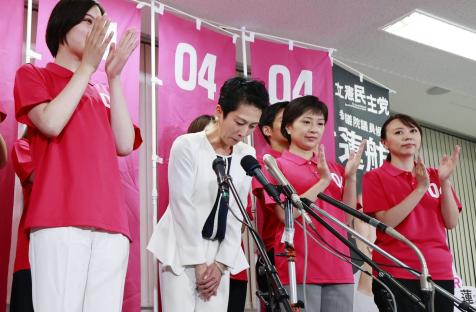
Sunday’s Upper House election saw a record 35 seats go to women, with veteran lawmakers and new contenders of all stripes voted in.
Democracy and the equal participation of men and women in the political arena are closely intertwined. No parliament or any decision-making body can claim to be representative without the participation of both men and women. As stated in the Universal Declaration on Democracy adopted by the Inter-Parliamentary Union’s Member Parliaments in 1997, "The achievement of democracy presupposes a genuine partnership between men and women in the conduct of the affairs of society in which they work in equality and complementarity, drawing mutual enrichment from their differences."
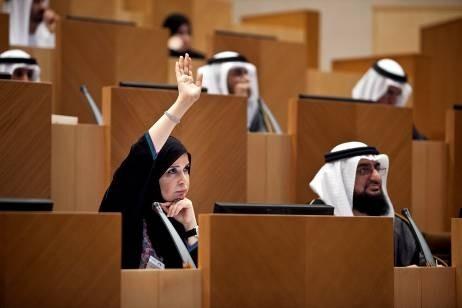
Recent years have seen a steady increase in the number of women in parliament, though the world average of less than 22 percent remains far from the goal of parity between women and men. The election of women to the highest positions of state and government in several countries has also contributed to the changing face of politics.
While the road to election is a difficult one, the challenges for women do not stop there. Once women enter parliament or other bodies, they are faced with many new challenges. Parliament is traditionally a male-oriented domain where the rules and practices have been written by men. It is, therefore, an ongoing challenge to transform parliament into a gender-sensitive environment, to ensure that actions are gender-sensitive and to guarantee that gender is mainstreamed throughout the legislature.
Sunday’s Upper House election saw a record 35 seats go to women, with veteran lawmakers and new contenders of all stripes voted in.
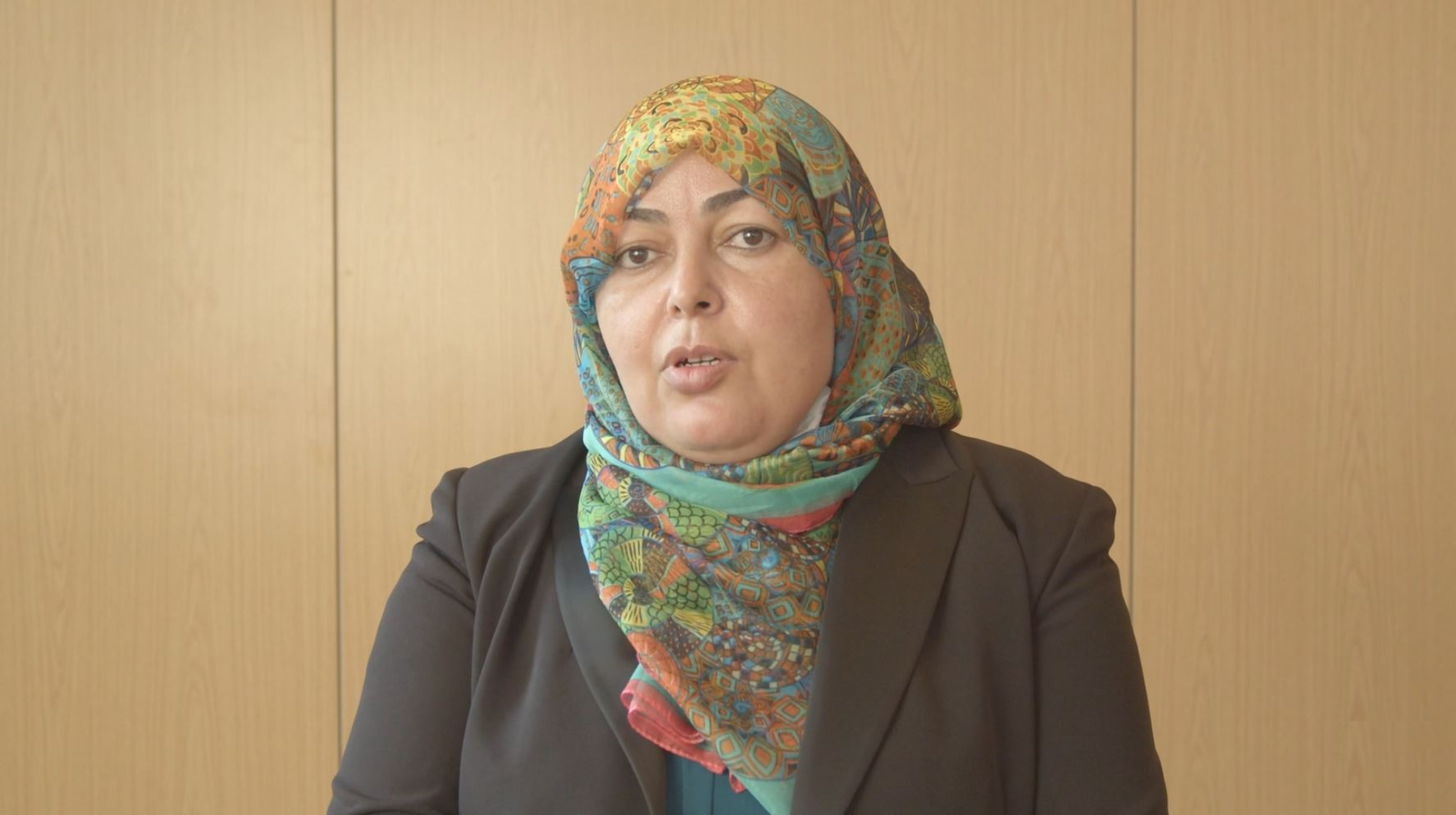
Tunisia has seen a marked shift in attitudes towards women political leaders since Najla Bouden became the first female prime minister in the Arab world.
In this study, we report results of a survey of U.S. state senators about their experiences of psychological abuse, physical violence, and sexualized abuse and violence on the job, as well as gender differences among senators.
Inside a cramped cell at Zimbabwe’s infamous Chikurubi prison in January last year, a group of women took turns to speak.
Among them was Fadzayi Mahere, one of the country’s most prominent young opposition leaders.
Inside a cramped cell at Zimbabwe’s infamous Chikurubi prison in January last year, a group of women took turns to speak.
Among them was Fadzayi Mahere, one of the country’s most prominent young opposition leaders.
A report by the Gender Strategy Advancement International, GSAI, has disclosed that women political participation in Nigeria falls below the world and African continental standards.
"The next step is to move away from symbolic representation for women to have more female politicians in influential decision-making positions," writes Saad Hafiz.
Given Mexico's progress in this area, we don't even lead North America. Gender quotas are an effective solution.
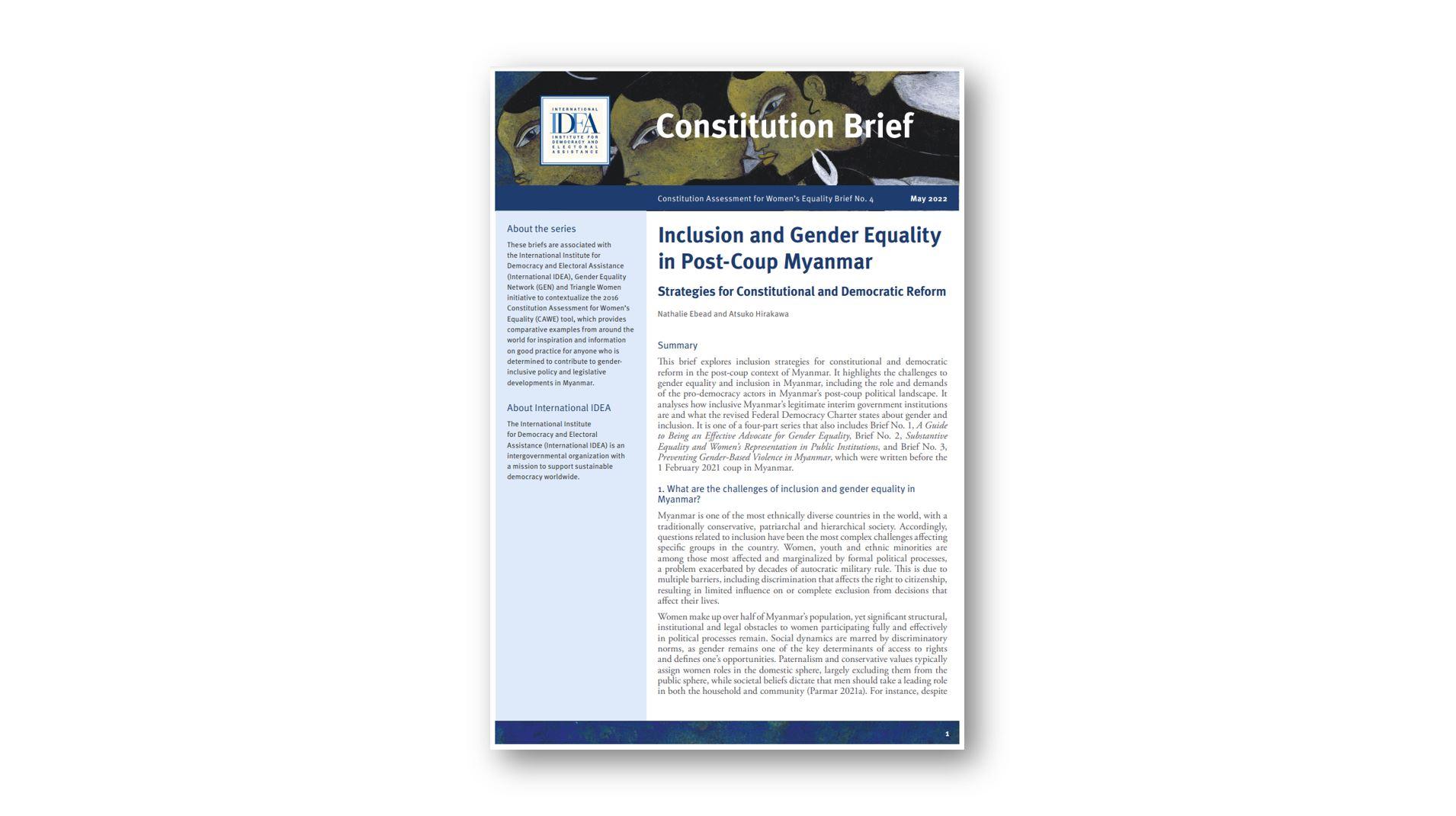
This brief explores how constitutional advocates for women’s equality in Myanmar can advance women’s representation and meaningful participation in public decision-making and institutions.
On 26 September 2021, Germans elected the 20th Bundestag. This election was special in many ways. The article analyses the electoral campaign, voting behaviour, turnout, and the formation of a new coalition government by using a gender and intersectional lens.