October 28, 2021
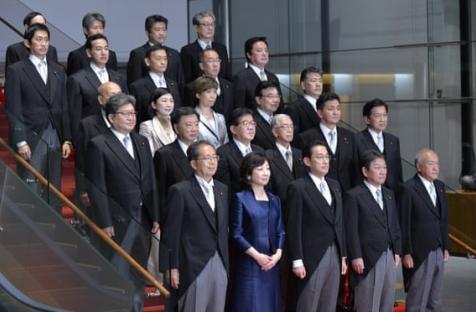
‘It is bullying, pure and simple’: being a woman in Japanese politics
Harassment is common for women who run for office and female MPs comprise just 9.9% of lower house.
Democracy and the equal participation of men and women in the political arena are closely intertwined. No parliament or any decision-making body can claim to be representative without the participation of both men and women. As stated in the Universal Declaration on Democracy adopted by the Inter-Parliamentary Union’s Member Parliaments in 1997, "The achievement of democracy presupposes a genuine partnership between men and women in the conduct of the affairs of society in which they work in equality and complementarity, drawing mutual enrichment from their differences."
Recent years have seen a steady increase in the number of women in parliament, though the world average of less than 22 percent remains far from the goal of parity between women and men. The election of women to the highest positions of state and government in several countries has also contributed to the changing face of politics.
While the road to election is a difficult one, the challenges for women do not stop there. Once women enter parliament or other bodies, they are faced with many new challenges. Parliament is traditionally a male-oriented domain where the rules and practices have been written by men. It is, therefore, an ongoing challenge to transform parliament into a gender-sensitive environment, to ensure that actions are gender-sensitive and to guarantee that gender is mainstreamed throughout the legislature.
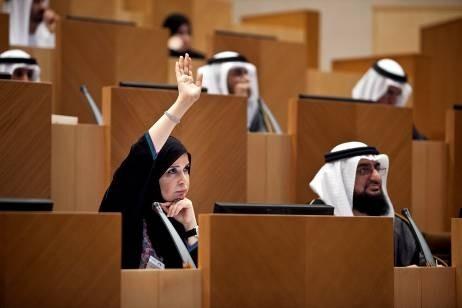
Harassment is common for women who run for office and female MPs comprise just 9.9% of lower house.
Less than a fifth of candidates in Japan’s upcoming election are female, unchanged from the last vote four years ago, indicating the percentage of women in one of the world’s most male-dominated parliaments is unlikely to increase.

Less than a fifth of candidates in Japan’s upcoming election are female, unchanged from the last vote four years ago, indicating the percentage of women in one of the world’s most male-dominated parliaments is unlikely to increase.
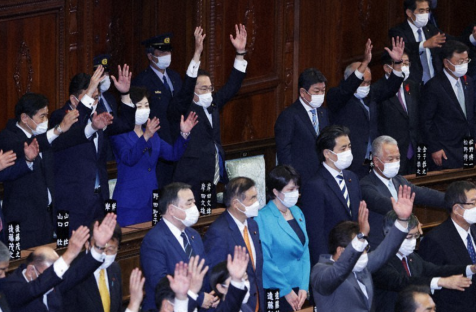
TOKYO – Just 186 of the 1,051 candidates standing in Japan's House of Representatives election this month, or 17.7%, are women -- on par with the low level seen in the previous lower house race in 2017.
Abstract
Abstract
Political parties are considered gatekeepers for women’s access to political positions, as they play an important role in institutionalizing women’s inclusion in politics.

Political parties are considered gatekeepers for women’s access to political positions, as they play an important role in institutionalizing women’s inclusion in politics.
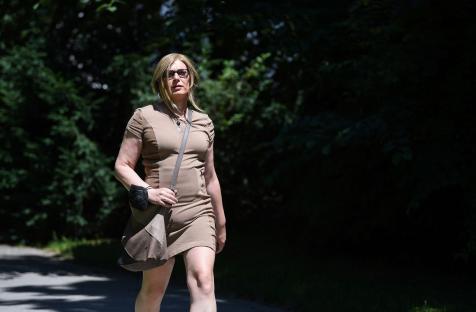
BERLIN, Sept 27 (Reuters) - Two German politicians from the Greens have made history by becoming the first transgender women to win parliamentary seats in Sunday's national election.
The global proportion of MPs aged under 30 has edged up to 2.6 per cent, according to the latest IPU report on Youth Participation in National Parliaments. This represents an increase of 0.4 percentage points compared with two years ago.

The global proportion of MPs aged under 30 has edged up to 2.6 per cent, according to the latest IPU report on Youth Participation in National Parliaments. This represents an increase of 0.4 percentage points compared with two years ago.
Just over one-third of the members in Germany's newly elected parliament are women. That's troubling — and not at all representative of our society, DW's Melina Grundmann writes.

Just over one-third of the members in Germany's newly elected parliament are women. That's troubling — and not at all representative of our society, DW's Melina Grundmann writes.
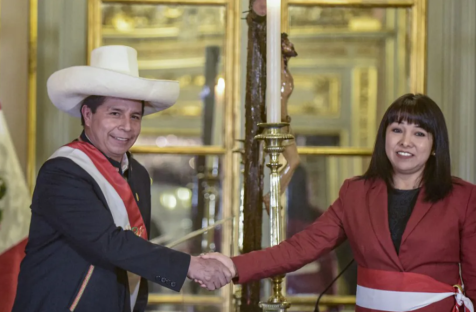
Peruvian President Pedro Castillo accepted the resignation of his prime minister Wednesday and replaced him with a female environmental activist.