The persistence of social norms, family formation, and gender balance in politics
Abstract
Abstract
Democracy and the equal participation of men and women in the political arena are closely intertwined. No parliament or any decision-making body can claim to be representative without the participation of both men and women. As stated in the Universal Declaration on Democracy adopted by the Inter-Parliamentary Union’s Member Parliaments in 1997, "The achievement of democracy presupposes a genuine partnership between men and women in the conduct of the affairs of society in which they work in equality and complementarity, drawing mutual enrichment from their differences."
Recent years have seen a steady increase in the number of women in parliament, though the world average of less than 22 percent remains far from the goal of parity between women and men. The election of women to the highest positions of state and government in several countries has also contributed to the changing face of politics.
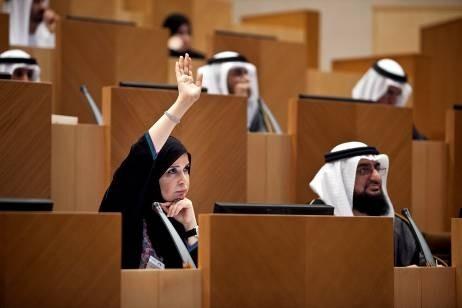
While the road to election is a difficult one, the challenges for women do not stop there. Once women enter parliament or other bodies, they are faced with many new challenges. Parliament is traditionally a male-oriented domain where the rules and practices have been written by men. It is, therefore, an ongoing challenge to transform parliament into a gender-sensitive environment, to ensure that actions are gender-sensitive and to guarantee that gender is mainstreamed throughout the legislature.
Abstract
Abstract
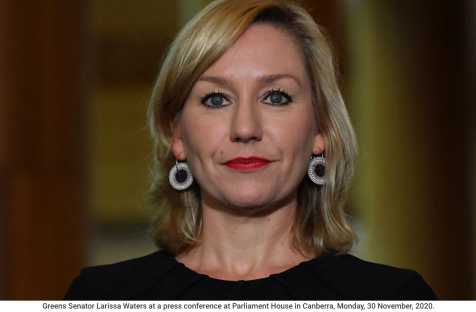
Federal MPs have told a women’s leadership summit a "legacy of misogyny" and "sexist underbelly" continues to plague Australian politics and must be addressed.
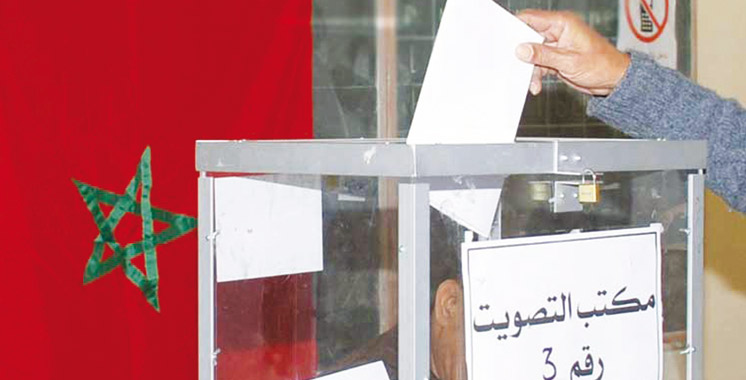
In 2011, the Arab Spring precipitated fervent calls for democratic reforms, leading the Moroccan government to enact gender quotas that reserved seats for women in Parliament as well as regional, district, and communal councils.
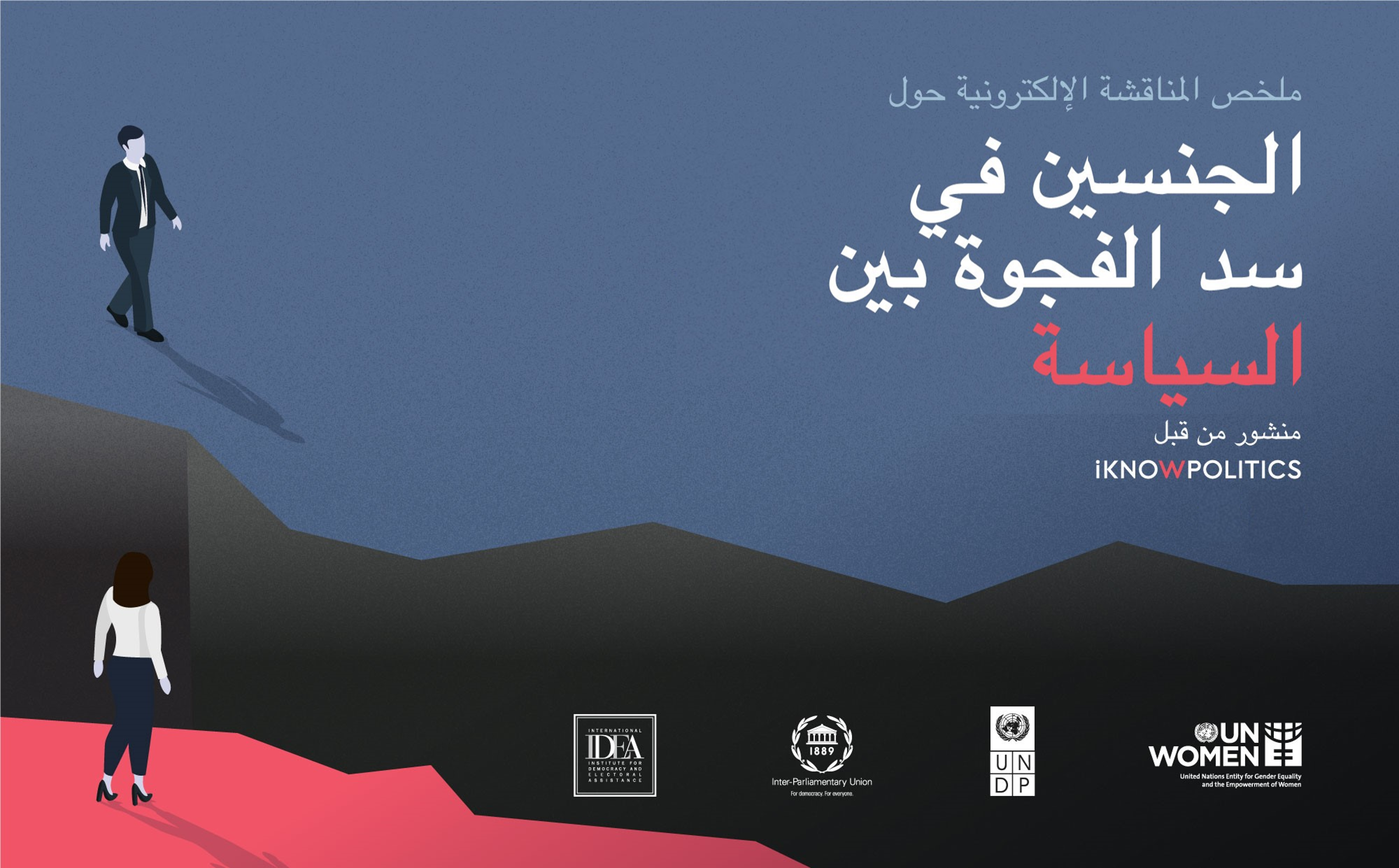
This e-Discussion raised awareness about the slow progress towards achieving full and equal participation of women in politics and gathered exp
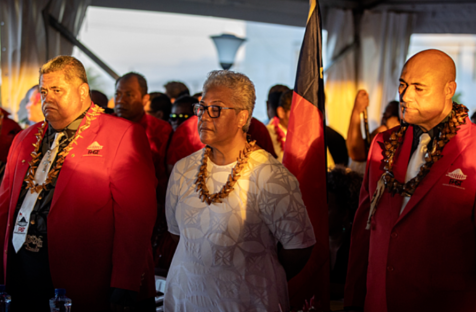
The Court of Appeal ruled on Friday that the Faatuatua ile Atua Samoa ua Tasi (F.A.S.T.) party is the new Government of Samoa's bringing an end to three months of a national political stalemate.
MOGADISHU, SOMALIA - Somalia's top leaders, all men, have struggled for years to tame the Horn of Africa nation's insecurity and corruption.
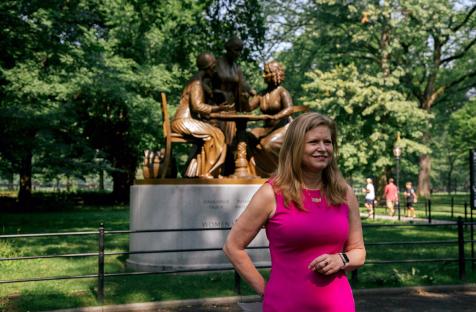
Kathryn Garcia and Maya Wiley placed second and third in the Democratic mayoral primary. Many New Yorkers hoped the glass ceiling would finally be broken.
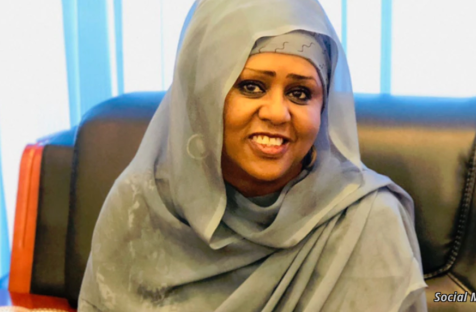
Somalia is halving the registration fees for women candidates to encourage more participation in the upcoming elections.
Constitutional assembly picks academic Elisa Loncon to lead body drafting new text to replace Pinochet-era constitution.