April 28, 2021
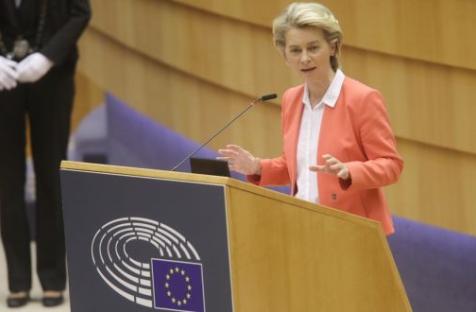
‘It happened because I am a woman’: von der Leyen speaks of Turkey snub
European Commission president blames sexism for second-rank treatment in Ankara
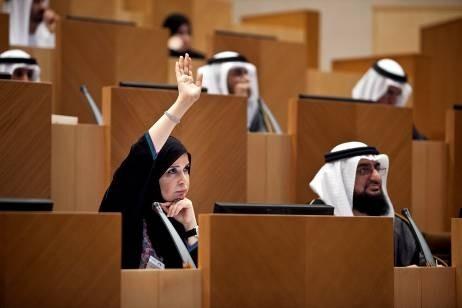
Democracy and the equal participation of men and women in the political arena are closely intertwined. No parliament or any decision-making body can claim to be representative without the participation of both men and women. As stated in the Universal Declaration on Democracy adopted by the Inter-Parliamentary Union’s Member Parliaments in 1997, "The achievement of democracy presupposes a genuine partnership between men and women in the conduct of the affairs of society in which they work in equality and complementarity, drawing mutual enrichment from their differences."
Recent years have seen a steady increase in the number of women in parliament, though the world average of less than 22 percent remains far from the goal of parity between women and men. The election of women to the highest positions of state and government in several countries has also contributed to the changing face of politics.
While the road to election is a difficult one, the challenges for women do not stop there. Once women enter parliament or other bodies, they are faced with many new challenges. Parliament is traditionally a male-oriented domain where the rules and practices have been written by men. It is, therefore, an ongoing challenge to transform parliament into a gender-sensitive environment, to ensure that actions are gender-sensitive and to guarantee that gender is mainstreamed throughout the legislature.
European Commission president blames sexism for second-rank treatment in Ankara
Almost 10 years ago, I worked as a topless waitress. I never realised the profound impact those few months would have on my entire life

Almost 10 years ago, I worked as a topless waitress. I never realised the profound impact those few months would have on my entire life
The world’s largest democracy has barely begun to draw on half its pool of candidates.

The world’s largest democracy has barely begun to draw on half its pool of candidates.
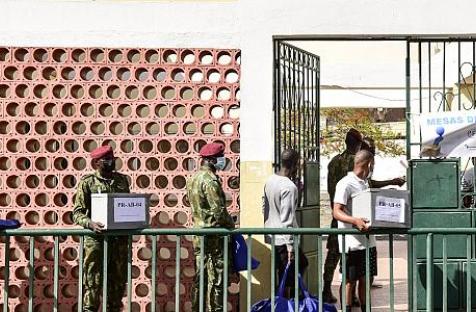
Cape Vedians headed to the polls to cast their ballots in the parliamentary elections.
On voters' minds will be the Covid pandemic which has devastated the tourism-dependent economy.
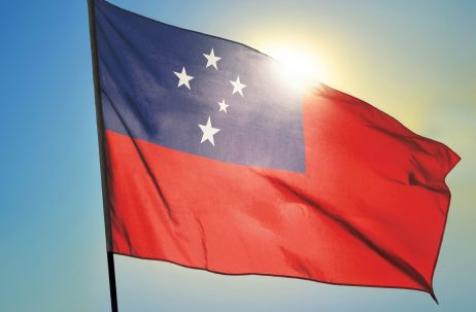
Following last week’s election, Samoa’s long-time ruler could be displaced by the country’s first female leader.
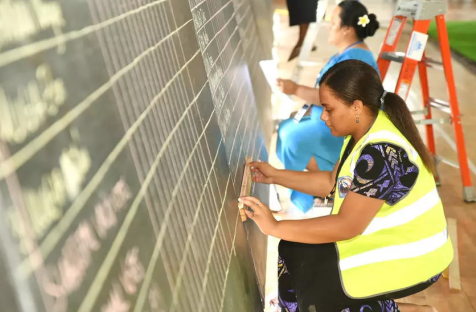
Wellington (AFP) – Samoa’s cliff-hanger general election is a victory for under-represented women in Pacific island politics, regardless of the final outcome, opposition leader Fiame Naomi Mataafa said Monday.
Some countries are better at promoting women’s representation in politics, suggesting social norms may create barriers.

Some countries are better at promoting women’s representation in politics, suggesting social norms may create barriers.
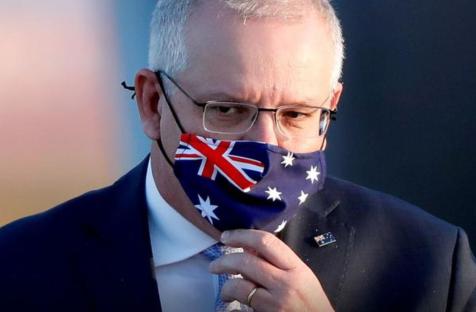
SYDNEY (Reuters) -Australia will scrap exemptions for judges and politicians from sexual harassment laws, Prime Minister Scott Morrison said on Thursday, as his government struggles to contain a backlash over allegations of mistrea
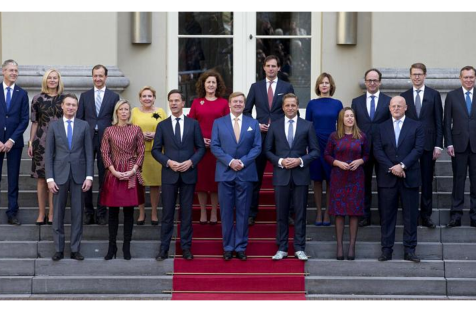
With female participation in this week’s election in the Netherlands breaking records, one campaign group can be excused for feeling optimistic.