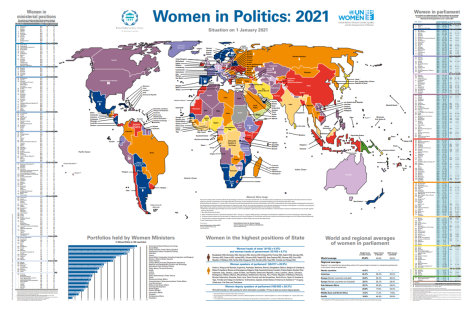
April 1, 2021
Women in politics: new data shows growth but also setbacks
Democracy and the equal participation of men and women in the political arena are closely intertwined. No parliament or any decision-making body can claim to be representative without the participation of both men and women. As stated in the Universal Declaration on Democracy adopted by the Inter-Parliamentary Union’s Member Parliaments in 1997, "The achievement of democracy presupposes a genuine partnership between men and women in the conduct of the affairs of society in which they work in equality and complementarity, drawing mutual enrichment from their differences."
Recent years have seen a steady increase in the number of women in parliament, though the world average of less than 22 percent remains far from the goal of parity between women and men. The election of women to the highest positions of state and government in several countries has also contributed to the changing face of politics.
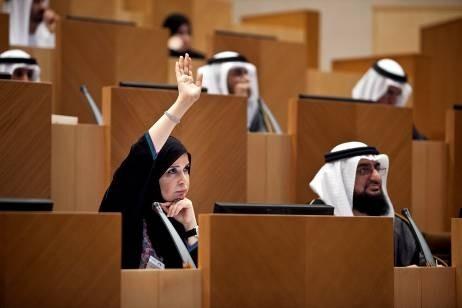
While the road to election is a difficult one, the challenges for women do not stop there. Once women enter parliament or other bodies, they are faced with many new challenges. Parliament is traditionally a male-oriented domain where the rules and practices have been written by men. It is, therefore, an ongoing challenge to transform parliament into a gender-sensitive environment, to ensure that actions are gender-sensitive and to guarantee that gender is mainstreamed throughout the legislature.
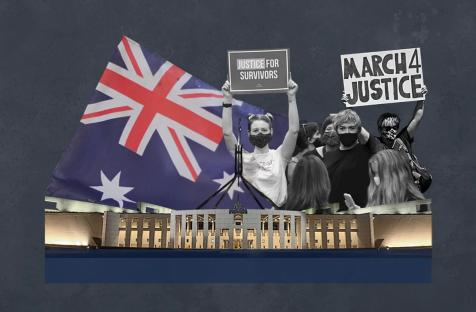
In recent months, Australians have grown accustomed to stories of sexual impropriety by their politicians dominating the news headlines.
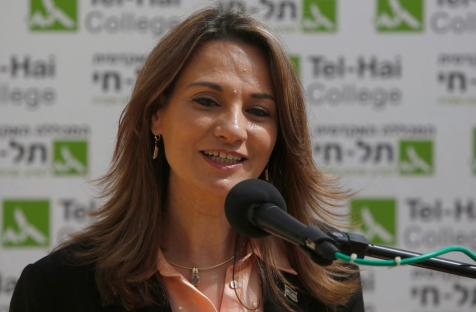
A projected 30 women will enter the Israeli legislature, a record for an Election Day, but it appears female representation in parliament will remain roughly the same for the 24th Knesset as in past sessions.
Although significant progress has been made with regard to the participation of women in political and public decision-making in Europe, such progress is too slow and uneven.

Although significant progress has been made with regard to the participation of women in political and public decision-making in Europe, such progress is too slow and uneven.
Newly inaugurated Samia Suluhu Hassan who served as Tanzanian vice-president under President John Magufuli has declared 21 days of mourning for her predecessor.

Newly inaugurated Samia Suluhu Hassan who served as Tanzanian vice-president under President John Magufuli has declared 21 days of mourning for her predecessor.
Experience during the pandemic confirms that the deployment by political actors of hate speech in the digital space exponentially promotes real-time political violence, particular
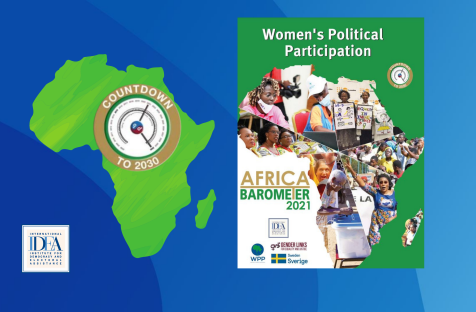
ADDIS ABABA— African countries are still far from achieving women's equal and effective participation in political decision-making.
African countries are still far from achieving women’s equal and effective participation in political decision-making.

African countries are still far from achieving women’s equal and effective participation in political decision-making.
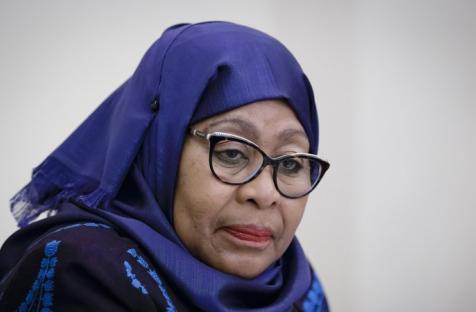
Samia Suluhu Hassan has been sworn in as President of Tanzania, becoming the first female head of state in the east African country following the death of president John Magufuli.