Parliaments and Representatives

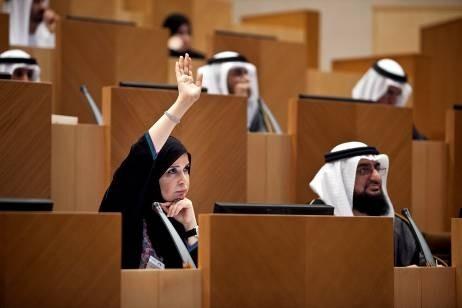
Democracy and the equal participation of men and women in the political arena are closely intertwined. No parliament or any decision-making body can claim to be representative without the participation of both men and women. As stated in the Universal Declaration on Democracy adopted by the Inter-Parliamentary Union’s Member Parliaments in 1997, "The achievement of democracy presupposes a genuine partnership between men and women in the conduct of the affairs of society in which they work in equality and complementarity, drawing mutual enrichment from their differences."

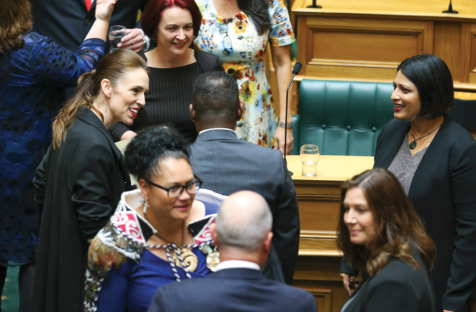
Recent years have seen a steady increase in the number of women in parliament, though the world average of less than 22 percent remains far from the goal of parity between women and men. The election of women to the highest positions of state and government in several countries has also contributed to the changing face of politics.

While the road to election is a difficult one, the challenges for women do not stop there. Once women enter parliament or other bodies, they are faced with many new challenges. Parliament is traditionally a male-oriented domain where the rules and practices have been written by men. It is, therefore, an ongoing challenge to transform parliament into a gender-sensitive environment, to ensure that actions are gender-sensitive and to guarantee that gender is mainstreamed throughout the legislature.

What would it take to double the representation of women in the US Congress by 2050?

Back
December 7, 2020

What would it take to double the representation of women in the US Congress by 2050?

Twenty years ago, the U.S. ranked 48th internationally for women’s representation. In 2021, we will rank 70th—that’s a sizable drop. But it doesn’t have to be like this.

Twenty years ago, the U.S. ranked 48th internationally for women’s representation. In 2021, we will rank 70th—that’s a sizable drop. But it doesn’t have to be like this.

December 7, 2020
Japan eyes 35% quota for women political candidates by 2025

TOKYO - Japan will aim for a 35 percent quota for female parliamentary candidates by 2025, Cabinet Office officials have said, hoping that setting a concrete target will advance gender equality in the political realm.

How the Coronavirus risks exacerbating women’s political exclusion

Back
November 18, 2020

How the Coronavirus risks exacerbating women’s political exclusion

Women participating in politics have navigated unique challenges and opportunities from the coronavirus pandemic.

Women participating in politics have navigated unique challenges and opportunities from the coronavirus pandemic.

November 6, 2020
New Zealand's Ardern sworn in for second term

New Zealand Prime Minister Jacinda Ardern was sworn in for a second term Friday, as final election results showed her landslide victory was even bigger than previously thought.

November 4, 2020
Sarah McBride to become first transgender state senator in U.S. history

By Dan Avery

Nanaia Mahuta, the new foreign minister, is one of eight women in the cabinet © Getty Images
November 2, 2020
Jacinda Ardern appoints most diverse cabinet in New Zealand history

Prime minister appoints Maori as first woman foreign minister and offers Greens two posts.

October 26, 2020
Next Serb government among most gender-balanced in the world

Serbia’s proposed new-look government is among the world’s most gender balanced, with women named to half of ministerial posts.

Videos

Gender equality laws around the world - what can parliaments do?

Submitted by Editor on
Back
October 21, 2020

Gender equality laws around the world - what can parliaments do?

Watch the third in a series of short videos on the Sustainable Development Goal 5 on gender equality.

Watch the third in a series of short videos on the Sustainable Development Goal 5 on gender equality.