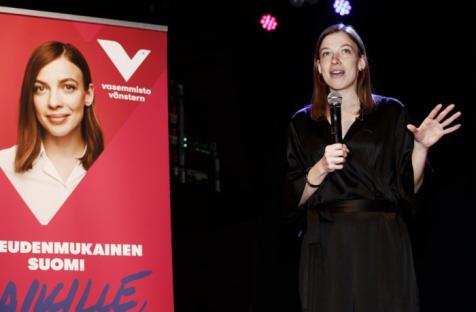
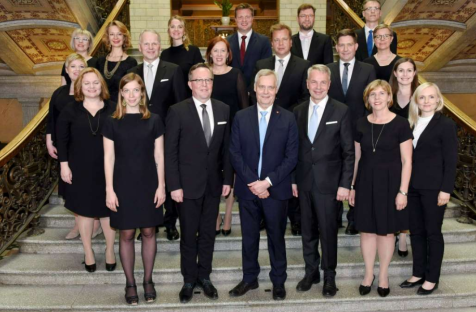
Finland's new center-left coalition government has been sworn in, with the country's first Social Democratic prime minister in 16 years assuming office along with a climate issue-focused Cabinet where women are in the majority.
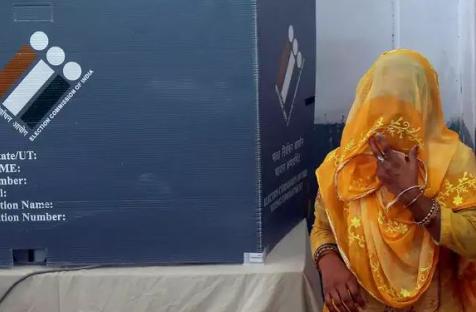
Democracy and the equal participation of men and women in the political arena are closely intertwined. No parliament or any decision-making body can claim to be representative without the participation of both men and women. As stated in the Universal Declaration on Democracy adopted by the Inter-Parliamentary Union’s Member Parliaments in 1997, "The achievement of democracy presupposes a genuine partnership between men and women in the conduct of the affairs of society in which they work in equality and complementarity, drawing mutual enrichment from their differences."
Recent years have seen a steady increase in the number of women in parliament, though the world average of less than 22 percent remains far from the goal of parity between women and men. The election of women to the highest positions of state and government in several countries has also contributed to the changing face of politics.
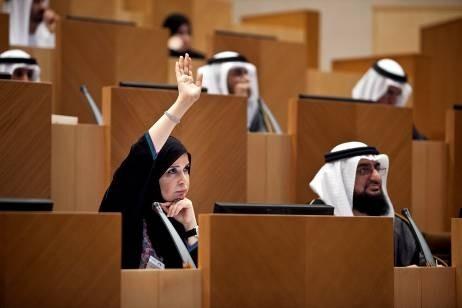
While the road to election is a difficult one, the challenges for women do not stop there. Once women enter parliament or other bodies, they are faced with many new challenges. Parliament is traditionally a male-oriented domain where the rules and practices have been written by men. It is, therefore, an ongoing challenge to transform parliament into a gender-sensitive environment, to ensure that actions are gender-sensitive and to guarantee that gender is mainstreamed throughout the legislature.
Finland's new center-left coalition government has been sworn in, with the country's first Social Democratic prime minister in 16 years assuming office along with a climate issue-focused Cabinet where women are in the majority.
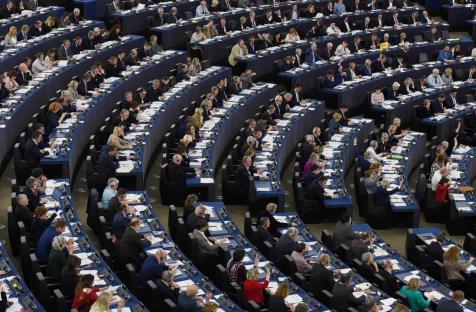
With a record 78 MPs, this election proved that female candidates can win.
Meet some first-timers without any political lineage to find out the odds they conquered on the way to Parliament.
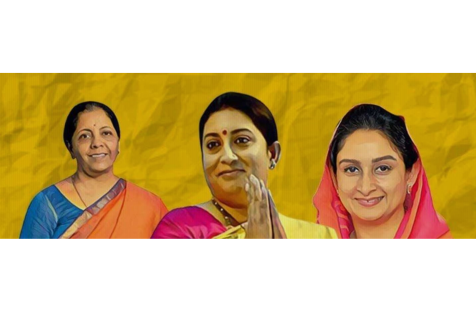
The newly-elected 17th Lok Sabha set the record with highest number of woman: 78 MPs. However, Prime Minister Narendra Modi’s cabinet, which was sworn-in on Thursday, in a largest-ever gathering, has only six women ministers in the government.
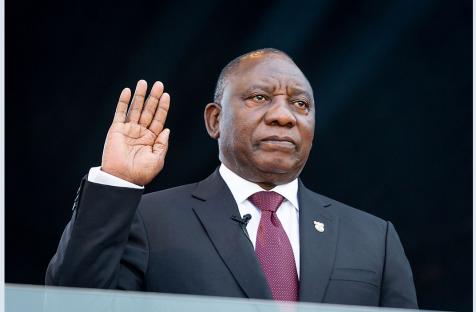
South Africa's president on Wednesday named a trimmed-down Cabinet that is 50% women, making the country's one of few in the world to be "gender-balanced."
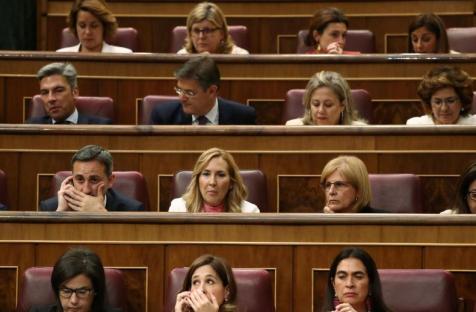
Spain’s new parliament, sworn in on Tuesday, has the largest share of women in any European legislature, no small achievement for a country still reinventing itself four decades after the end of a right-wing, traditionalist dictatorship.
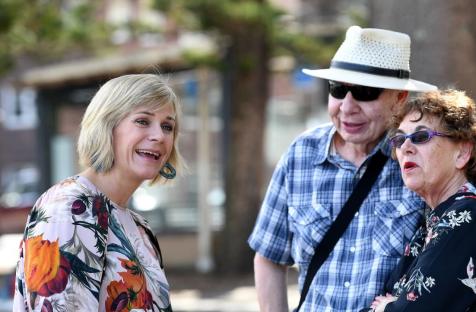
The next federal parliament is set to have a record number of women but Australia still has a "long way to go" until it achieves gender parity in its corridors of power.
The main issues driving Finland’s 2019 parliamentary election on April 14, 2019 included the previous government coalition’s unsuccessful attempt to pass a long-debated social and healthcare reform; the need for action to mitigate climate change; and
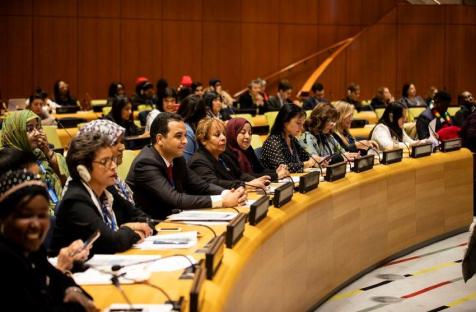
The IPU and UN Women held a joint parliamentary event at the 63rd Session of the Commission on the Status of Women (