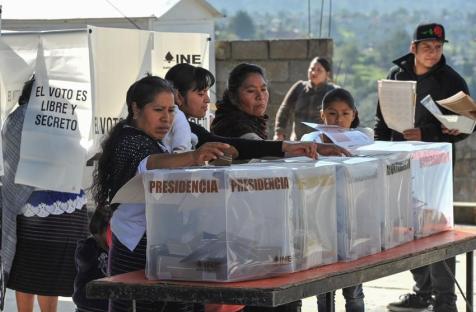
A growing number of single women are running for public office. In order to beat their opponents, they may need to shatter some unfair stigmas first. Lily Espinoza Ploski is a Latina single mom to a 14-year-old son.
Democracy and the equal participation of men and women in the political arena are closely intertwined. No parliament or any decision-making body can claim to be representative without the participation of both men and women. As stated in the Universal Declaration on Democracy adopted by the Inter-Parliamentary Union’s Member Parliaments in 1997, "The achievement of democracy presupposes a genuine partnership between men and women in the conduct of the affairs of society in which they work in equality and complementarity, drawing mutual enrichment from their differences."
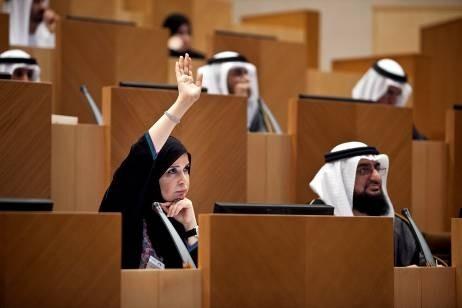
Recent years have seen a steady increase in the number of women in parliament, though the world average of less than 22 percent remains far from the goal of parity between women and men. The election of women to the highest positions of state and government in several countries has also contributed to the changing face of politics.
While the road to election is a difficult one, the challenges for women do not stop there. Once women enter parliament or other bodies, they are faced with many new challenges. Parliament is traditionally a male-oriented domain where the rules and practices have been written by men. It is, therefore, an ongoing challenge to transform parliament into a gender-sensitive environment, to ensure that actions are gender-sensitive and to guarantee that gender is mainstreamed throughout the legislature.
A growing number of single women are running for public office. In order to beat their opponents, they may need to shatter some unfair stigmas first. Lily Espinoza Ploski is a Latina single mom to a 14-year-old son.
The City of Banjul made history by electing its first female mayor.
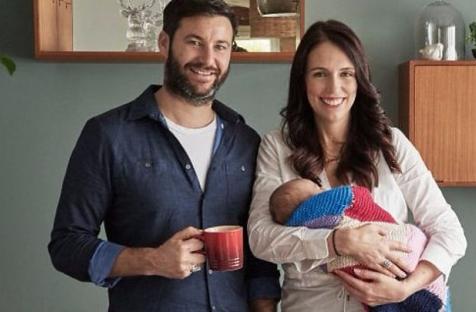
Member of New Zealand’s opposition made comment about prime minister in parliament
Japan's parliament on Wednesday passed a law to encourage female candidates to stand for elections in a country where women are vastly underrepresented in politics.
Media’s negative projection of women politicians is discouraging others from joining the male dominated field, the Zimbabwe Gender Commission has observed.
Lebanon’s new Parliament will include six female lawmakers across the country, up from just four in the 2009-era Parliament, with several fresh faces.
The Irish Women's Parliamentary Caucus will host the first International Congress of Parliamentary Women's Caucuses.
As African countries push for respect and promotion of gender equality, political will is key to accelerate attainment of gender equality on the continent.