Parliaments and Representatives
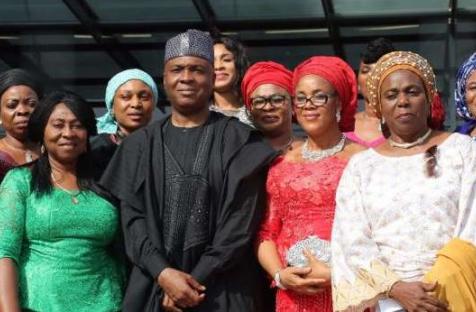
Democracy and the equal participation of men and women in the political arena are closely intertwined. No parliament or any decision-making body can claim to be representative without the participation of both men and women. As stated in the Universal Declaration on Democracy adopted by the Inter-Parliamentary Union’s Member Parliaments in 1997, "The achievement of democracy presupposes a genuine partnership between men and women in the conduct of the affairs of society in which they work in equality and complementarity, drawing mutual enrichment from their differences."
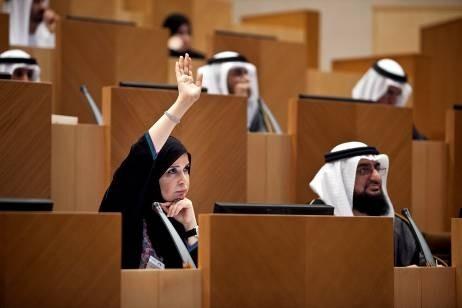
Recent years have seen a steady increase in the number of women in parliament, though the world average of less than 22 percent remains far from the goal of parity between women and men. The election of women to the highest positions of state and government in several countries has also contributed to the changing face of politics.
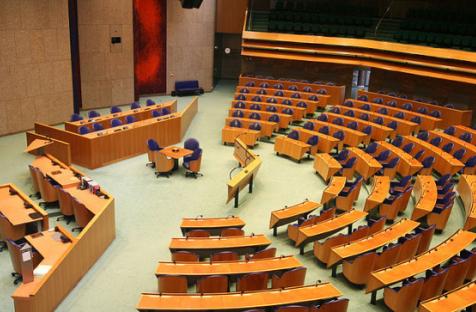
While the road to election is a difficult one, the challenges for women do not stop there. Once women enter parliament or other bodies, they are faced with many new challenges. Parliament is traditionally a male-oriented domain where the rules and practices have been written by men. It is, therefore, an ongoing challenge to transform parliament into a gender-sensitive environment, to ensure that actions are gender-sensitive and to guarantee that gender is mainstreamed throughout the legislature.
Interviews
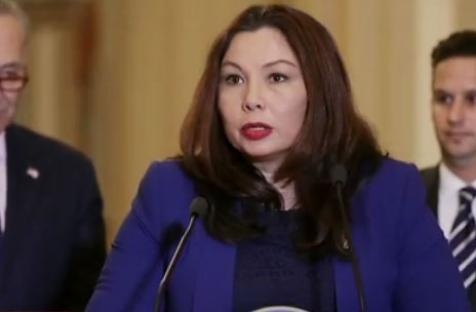
WASHINGTON — No matter which party ultimately triumphs in the November midterm elections, here is one thing we know for sure about 2018: It will be the Year of the Woman — supercharged.
NDP leader Jagmeet Singh named NDP MP Ruth Ellen Brosseau the party’s new House leader in last week's shuffle of his party's critics.
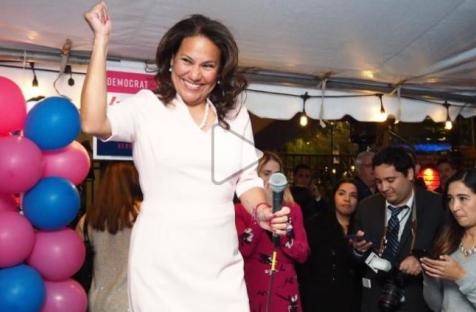
In the wake of Donald Trump’s election, an unprecedented number of women — primarily Democrats — are running for office in 2018.
e-Discussions
Women's Participation in Local Government
The under-representation of women at any level of governance and decision-making results in a democratic deficit. It has been proven time and again that diverse groups make better decisions. This is particularly true when it comes to a task as challenging as representing the interests of citizens at the local level. Often influencing policies in housing, security, transport, and the economy, local government makes important decisions that affect the lives of women and men.
ParlTools: A new platform by ParlAmericas and UN Women dedicated to parliamentarians
Caribbean countries face complex development challenges shaped by socio-political, economic and environmental factors.
Multi-party Caucuses for Gender Equality: A Handbook for Parliamentarians in Latin America and the Caribbean
Parliamentary gender caucuses bring together legislators committed to advancing women’s rights and gender equality to coordinate their efforts and accelerate progress.
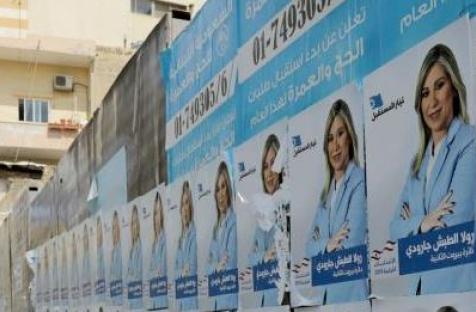
Lebanon is campaigning to get at least five times more women elected to Parliament this spring in its first vote in nearly 10 years, the country’s first women’s affairs minister says.
Women slowly changing the face of French politics
The current French parliament has the most women it has ever had: 224 women were elected in June, out of 577 seats. This is mostly due to president Emmanuel Macron, who pushed for more women to run for office.
Pagination
- Previous page
- Page 191
- Next page