March 23, 2015
The UK has a lot to learn about gender equality from countries like Rwanda
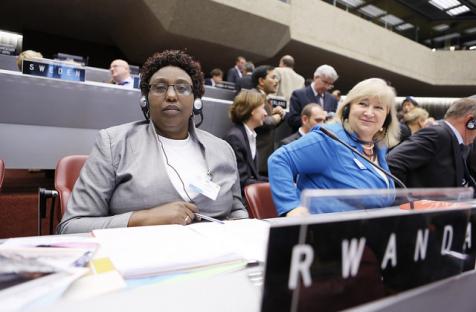
What do Rwanda, Senegal, Seychelles and South Africa have in common?
Democracy and the equal participation of men and women in the political arena are closely intertwined. No parliament or any decision-making body can claim to be representative without the participation of both men and women. As stated in the Universal Declaration on Democracy adopted by the Inter-Parliamentary Union’s Member Parliaments in 1997, "The achievement of democracy presupposes a genuine partnership between men and women in the conduct of the affairs of society in which they work in equality and complementarity, drawing mutual enrichment from their differences."
Recent years have seen a steady increase in the number of women in parliament, though the world average of less than 22 percent remains far from the goal of parity between women and men. The election of women to the highest positions of state and government in several countries has also contributed to the changing face of politics.
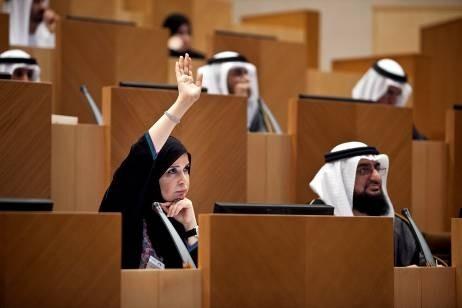
While the road to election is a difficult one, the challenges for women do not stop there. Once women enter parliament or other bodies, they are faced with many new challenges. Parliament is traditionally a male-oriented domain where the rules and practices have been written by men. It is, therefore, an ongoing challenge to transform parliament into a gender-sensitive environment, to ensure that actions are gender-sensitive and to guarantee that gender is mainstreamed throughout the legislature.
What do Rwanda, Senegal, Seychelles and South Africa have in common?
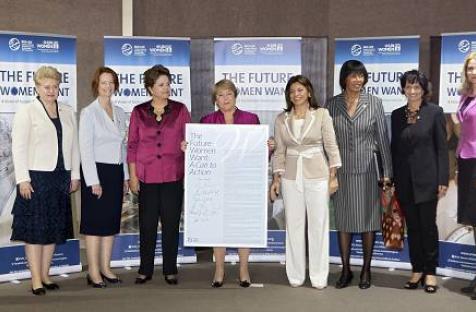
Brazil’s President Dilma Rousseff will soon submit nominations for senior positions to the Congress for approval. Positions up for nomination include directors at the Brazilian Central Bank (BCB) and a judge on the Brazilian Supreme Court (Supremo Tribunal Federal – STF).
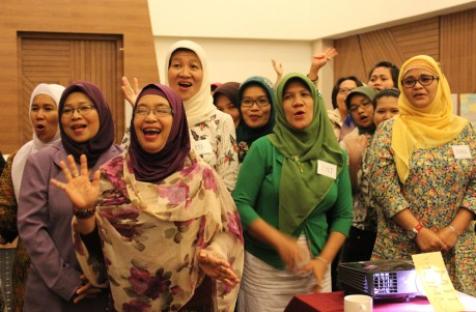
Sahanan thought her chance of being elected to the Lampung Provincial Parliament in Indonesia on last year’s parliamentary poll was next to none.
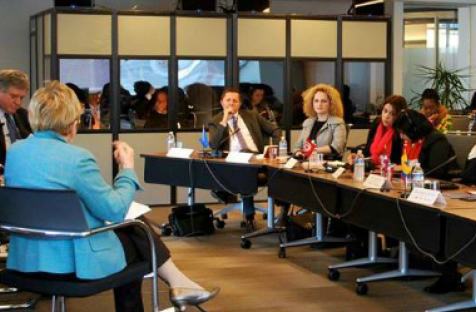
In many countries around the world, citizens have embraced social media and new technology more rapidly than legislatures—which are, by their nature
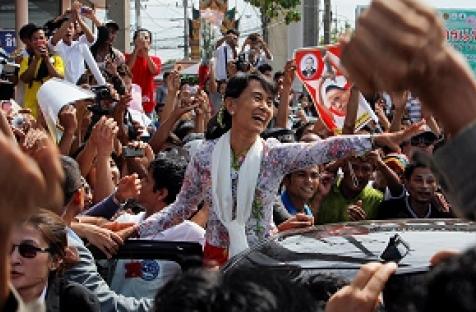
iKNOW Politics has compiled video testimonies from women parliamentarians from all over the globe to create this video on identifying and overcoming obstacles that women women face when seeking ele
iKNOW Politics has compiled video testimonies from women parliamentarians from all over the globe to create this video on identifying and overcoming obstacles that women women face when seeking ele
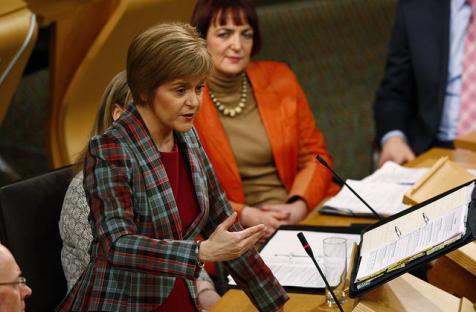
Nicola Sturgeon has been in the job only three months but already she is eyeing her legacy. “Being the first woman First Minister is a big responsibility and I feel the weight of that acutely.
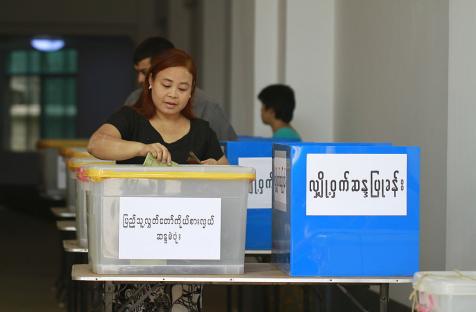
There's strong hopes Myanmar (Burma) is on the cusp of electing more women to parliament when it goes to the polls later this year.
Report on the impact of the electoral gender quotas on the Flemish Parliament elections held on 25 May 2014
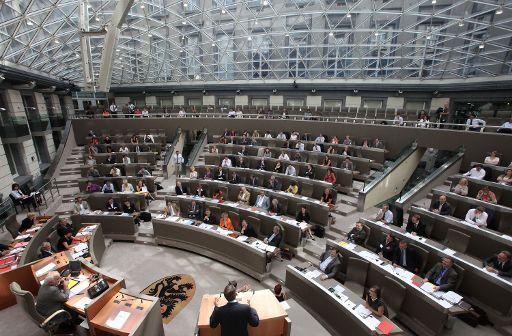
Report on the impact of the electoral gender quotas on the Flemish Parliament elections held on 25 May 2014