Parliaments and Representatives

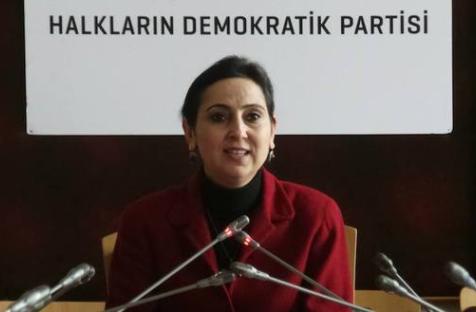
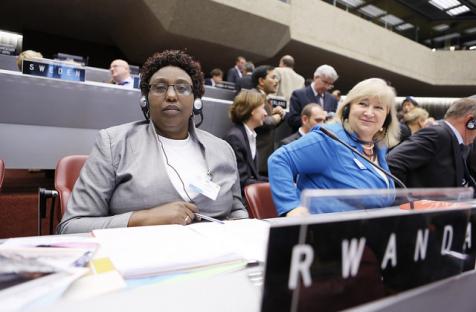
Democracy and the equal participation of men and women in the political arena are closely intertwined. No parliament or any decision-making body can claim to be representative without the participation of both men and women. As stated in the Universal Declaration on Democracy adopted by the Inter-Parliamentary Union’s Member Parliaments in 1997, "The achievement of democracy presupposes a genuine partnership between men and women in the conduct of the affairs of society in which they work in equality and complementarity, drawing mutual enrichment from their differences."

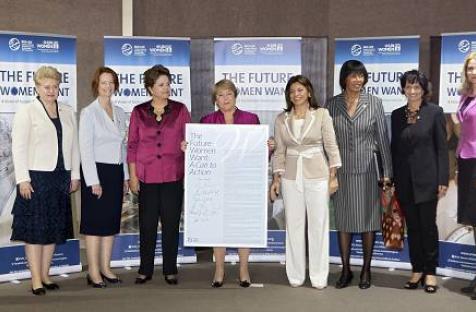
Recent years have seen a steady increase in the number of women in parliament, though the world average of less than 22 percent remains far from the goal of parity between women and men. The election of women to the highest positions of state and government in several countries has also contributed to the changing face of politics.

While the road to election is a difficult one, the challenges for women do not stop there. Once women enter parliament or other bodies, they are faced with many new challenges. Parliament is traditionally a male-oriented domain where the rules and practices have been written by men. It is, therefore, an ongoing challenge to transform parliament into a gender-sensitive environment, to ensure that actions are gender-sensitive and to guarantee that gender is mainstreamed throughout the legislature.

Webinar on the participation of young women in parliament

Back
October 9, 2014

Webinar on the participation of young women in parliament

Join us on October 14th 2014 for a webinar with the youngest women parliamentarians in the US and Tonga.

Join us on October 14th 2014 for a webinar with the youngest women parliamentarians in the US and Tonga.

IPU
October 8, 2014
Les parlementaires réunis pour parer aux menaces contre la paix, la sécurité et les droits de l’homme

Genève, le 9 octobre 2014

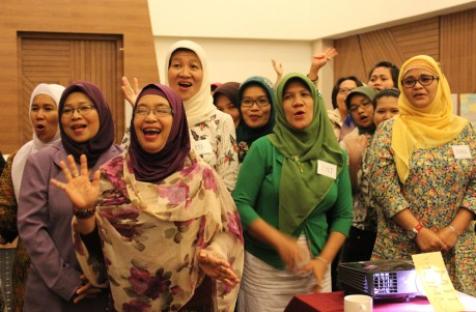
The Success and the Barriers to Women's Representation in Southeast Asia: Between State Policies, Political Parties and Women’s Movement

Back
August 22, 2014

The Success and the Barriers to Women's Representation in Southeast Asia: Between State Policies, Political Parties and Women’s Movement

This e-book with the title “The Success and the Barriers to Women’s Representation in Southeast Asia: Between State Policies, Political Parties and Women’s Movement” is a result of analysis of four regional r

This e-book with the title “The Success and the Barriers to Women’s Representation in Southeast Asia: Between State Policies, Political Parties and Women’s Movement” is a result of analysis of four regional r

Sonia Palmieri

Image

Dr Sonia Palmieri is a consultant in gender and political leadership, and was formerly t

Interviews

Dr. Amal Abdullah Al Qubaisi

Submitted by iKNOW Politics on
Back
November 7, 2013

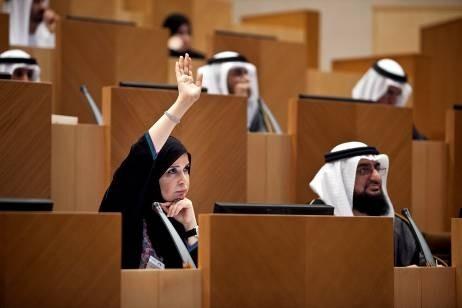
Dr. Amal Abdullah Al Qubaisi

Deputy Speaker of the Federal National Council of the United Arab Emirates
Dr. Amal Abdullah Al Qubaisi
Deputy Speaker of the Federal National Council of the United Arab Emirates
Dr. Amal Abdullah Al Qubaisi
Deputy Speaker of the Federal National Council of the United Arab Emirates

e-Discussions

Challenges for women in politics: the glass ceiling - stereotypes in terms of portfolio assignments

Submitted by iKNOW Politics on
Back

Challenges for women in politics: the glass ceiling - stereotypes in terms of portfolio assignments

“The principles of gender-sensitive parliaments can be advanced if women occupy leadership positions as parliamentarians and as key members of parliamentary staff, as they are in a position to influence policy directions, change parliamentary procedure and practices, serve as role models to other women and provide a different perspective in debates”   - Plan of Action for Gender-sensitive Parliaments, IPU, 2013

“The principles of gender-sensitive parliaments can be advanced if women occupy leadership positions as parliamentarians and as key members of parliamentary staff, as they are in a position to influence policy directions, change parliamentary procedure and practices, serve as role models to other women and provide a different perspective in debates”   - Plan of Action for Gender-sensitive Parliaments, IPU, 2013

Induction Course for Parliamentarians

Back
August 26, 2013

Induction Course for Parliamentarians

This 'Induction for First-Time Parliamentarians' course is designed for legislators who are new to parliament, and for parliamentary staff, practitioners, donors, civil society organisations and others who want to learn about how parliament works.

This 'Induction for First-Time Parliamentarians' course is designed for legislators who are new to parliament, and for parliamentary staff, practitioners, donors, civil society organisations and others who want to learn about how parliament works.

e-Discussions

Political Financing for Women

Submitted by iKNOW Politics on
Back

Political Financing for Women

Money is essential for the operations of political parties, and particularly affects candidates in electoral processes. Political financing regulations can effect women’s access to run as candidates, be elected, campaign and reach out to the population. Regulations on political funding are used to level the playing field in electoral competition. They can also work to ensure that women are able to compete on a more equal footing with men. This in turn may result in women’s increased political participation; a key feature of democracy.

Money is essential for the operations of political parties, and particularly affects candidates in electoral processes. Political financing regulations can effect women’s access to run as candidates, be elected, campaign and reach out to the population. Regulations on political funding are used to level the playing field in electoral competition. They can also work to ensure that women are able to compete on a more equal footing with men. This in turn may result in women’s increased political participation; a key feature of democracy.