January 29, 2026
2027: Male dominance in 13 states threatens female representation in politics
Democracy and the equal participation of men and women in the political arena are closely intertwined. No parliament or any decision-making body can claim to be representative without the participation of both men and women. As stated in the Universal Declaration on Democracy adopted by the Inter-Parliamentary Union’s Member Parliaments in 1997, "The achievement of democracy presupposes a genuine partnership between men and women in the conduct of the affairs of society in which they work in equality and complementarity, drawing mutual enrichment from their differences."
Recent years have seen a steady increase in the number of women in parliament, though the world average of less than 22 percent remains far from the goal of parity between women and men. The election of women to the highest positions of state and government in several countries has also contributed to the changing face of politics.
While the road to election is a difficult one, the challenges for women do not stop there. Once women enter parliament or other bodies, they are faced with many new challenges. Parliament is traditionally a male-oriented domain where the rules and practices have been written by men. It is, therefore, an ongoing challenge to transform parliament into a gender-sensitive environment, to ensure that actions are gender-sensitive and to guarantee that gender is mainstreamed throughout the legislature.
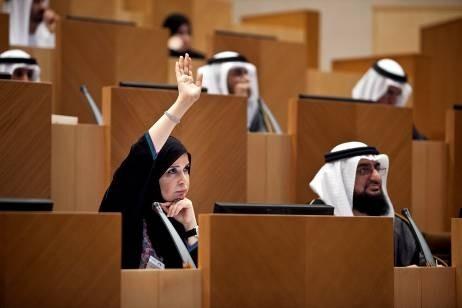
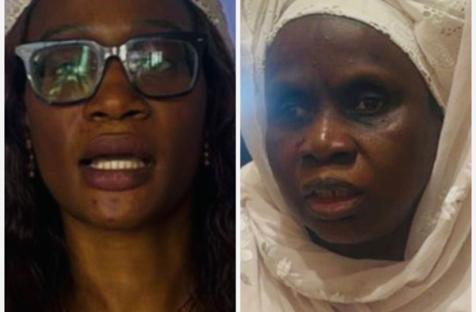
Two former National Assembly Members have expressed concern over the low representation of women in political affairs, citing a lack of empowerment as well as cultural and religious barriers.
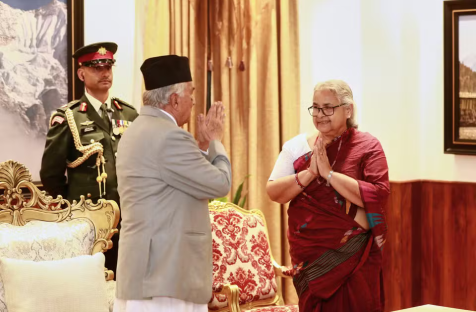
Four days after violence left 51 people dead and devastated key seats of power, the former chief justice of the Supreme Court was appointed as interim prime minister. Parliament was dissolved.

Some reports suggest that female politicians face such behaviour more often than their male counterparts and it has even been reported that female politicians have begun to view toxic messages and harassment as just a part of the job.
Significant and, arguably, profound changes took place in Baltic high politics over the past four years.

Significant and, arguably, profound changes took place in Baltic high politics over the past four years.
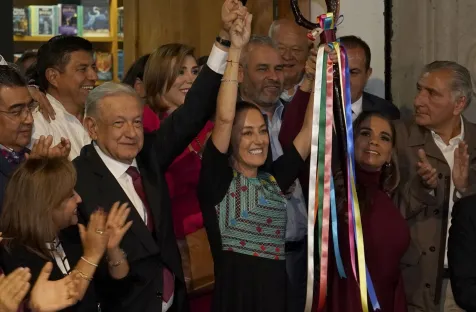
MEXICO CITY (AP) — In a U.S. electoral campaign punctuated by jibes about “childless cat ladies,” some might wish there were rules against mocking candidates based on their gender.
Sri Lankan women make up over 51% of the population as well as the number of registered voters; they contribute immensely to state revenue through tea and garment trades and inward foreign remittances; manage family budgets; and run homes, but in the political arena the
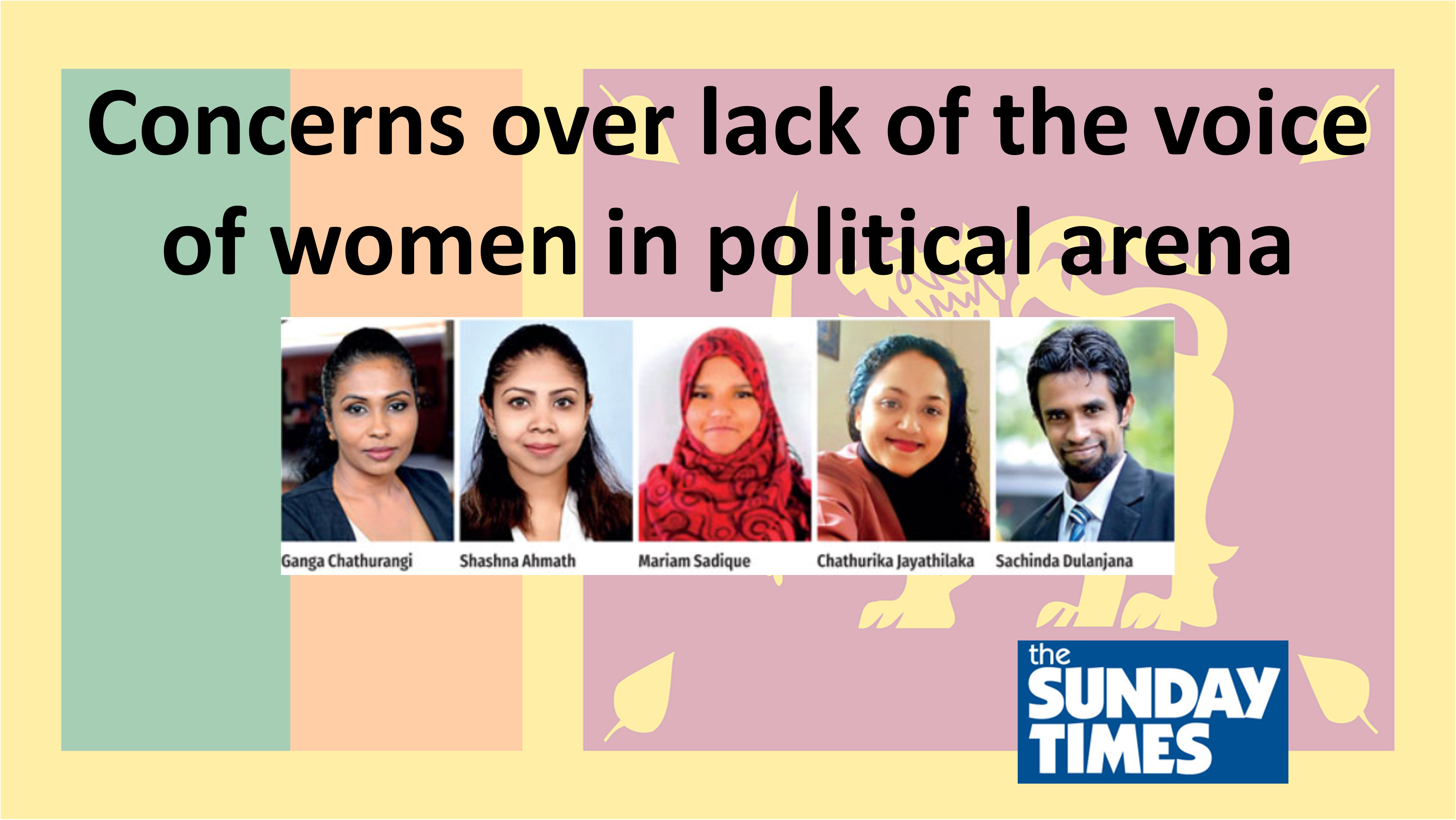
Sri Lankan women make up over 51% of the population as well as the number of registered voters; they contribute immensely to state revenue through tea and garment trades and inward foreign remittances; manage family budgets; and run homes, but in the political arena the
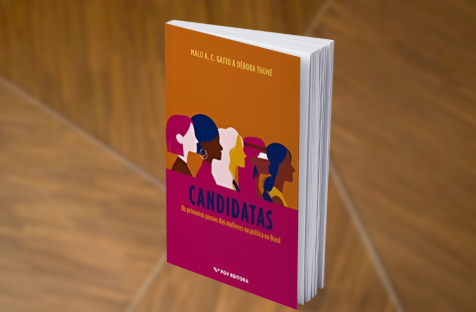
In the run-up to Brazil’s municipal elections, FGV Press has just published an intense and long book featuring the moving stories of a hundred Brazilian women from all over the country who decided to tackle various obstacles and fight for a place in pol