Zimbabwe’s recent election has exposed weak gender policies both at the political party and governmental levels as women were sidelined despite the
Democracy and the equal participation of men and women in the political arena are closely intertwined. No parliament or any decision-making body can claim to be representative without the participation of both men and women. As stated in the Universal Declaration on Democracy adopted by the Inter-Parliamentary Union’s Member Parliaments in 1997, "The achievement of democracy presupposes a genuine partnership between men and women in the conduct of the affairs of society in which they work in equality and complementarity, drawing mutual enrichment from their differences."
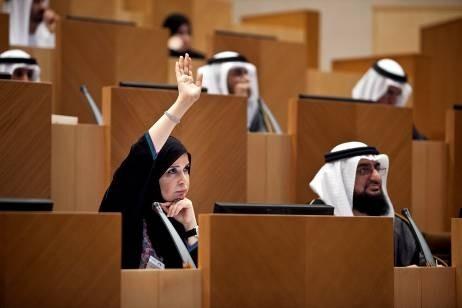
Recent years have seen a steady increase in the number of women in parliament, though the world average of less than 22 percent remains far from the goal of parity between women and men. The election of women to the highest positions of state and government in several countries has also contributed to the changing face of politics.
While the road to election is a difficult one, the challenges for women do not stop there. Once women enter parliament or other bodies, they are faced with many new challenges. Parliament is traditionally a male-oriented domain where the rules and practices have been written by men. It is, therefore, an ongoing challenge to transform parliament into a gender-sensitive environment, to ensure that actions are gender-sensitive and to guarantee that gender is mainstreamed throughout the legislature.
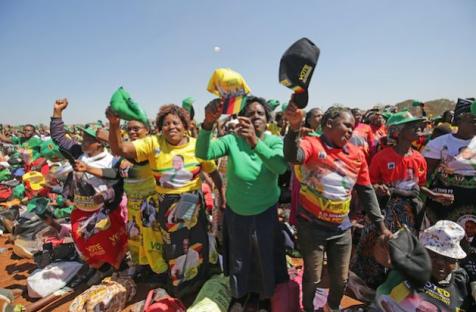
Zimbabwe’s recent election has exposed weak gender policies both at the political party and governmental levels as women were sidelined despite the
Women have to ‘work twice as hard to get half as far’ as their male counterparts.
A lack of gender diversity among decisionmakers in the UK prime minister’s office meant that women were not adequately considered in pandemic-related policymaking, likely leading to preventable d
The current brouhaha surrounding comments made by two senior Jamaica Labour Party (JLP) parliamentarians about the physical attributes (or lack thereof) of a female People's National Party (PNP)
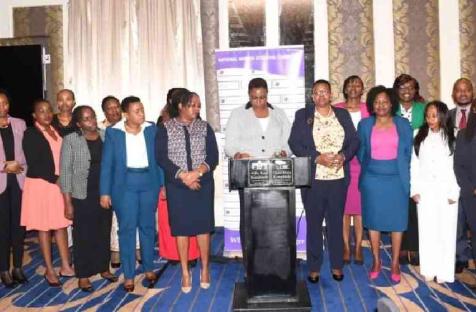
While celebrating 13 years since the promulgation of Kenya’s 2010 Constitution, Katiba Institute highlighted several achievements, some of which demonstrated a greater involvement of women in pol
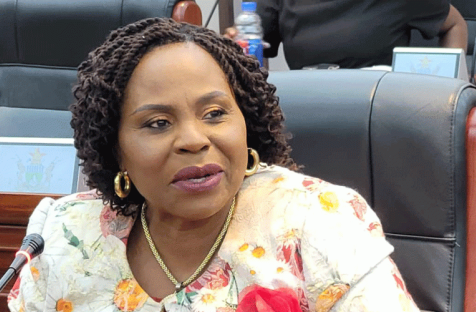
WOMEN’s Affairs minister, Monica Mutsvangwa, yesterday bemoaned the imbalance between men and women in politics saying this undermined the principles of democracy and social justice.
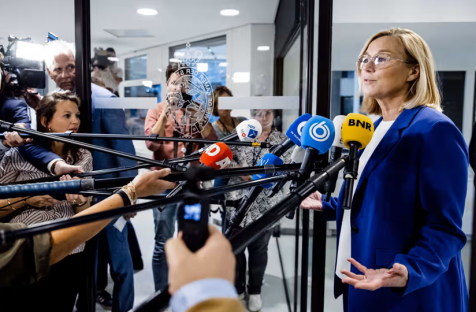
Six years after Sigrid Kaag was catapulted into the highest ranks of Dutch politics, police keep a constant watch over her home.
The Sultan of Oman, Haitham bin Tariq, issued on Wednesday a royal decree appointing members of the State Council, the second legislative chamber.
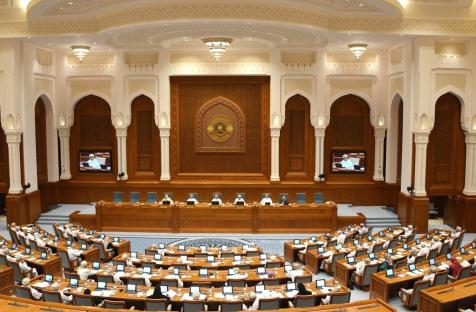
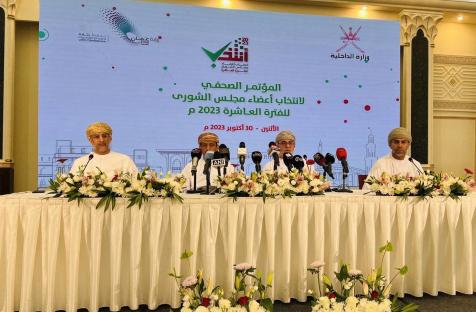
The Shura Council elections in the Sultanate of Oman witnessed a significant change in the representatives of the Council for the tenth term, while women suffered a resounding loss, as no female