International Day Against Homophobia, Transphobia and Biphobia
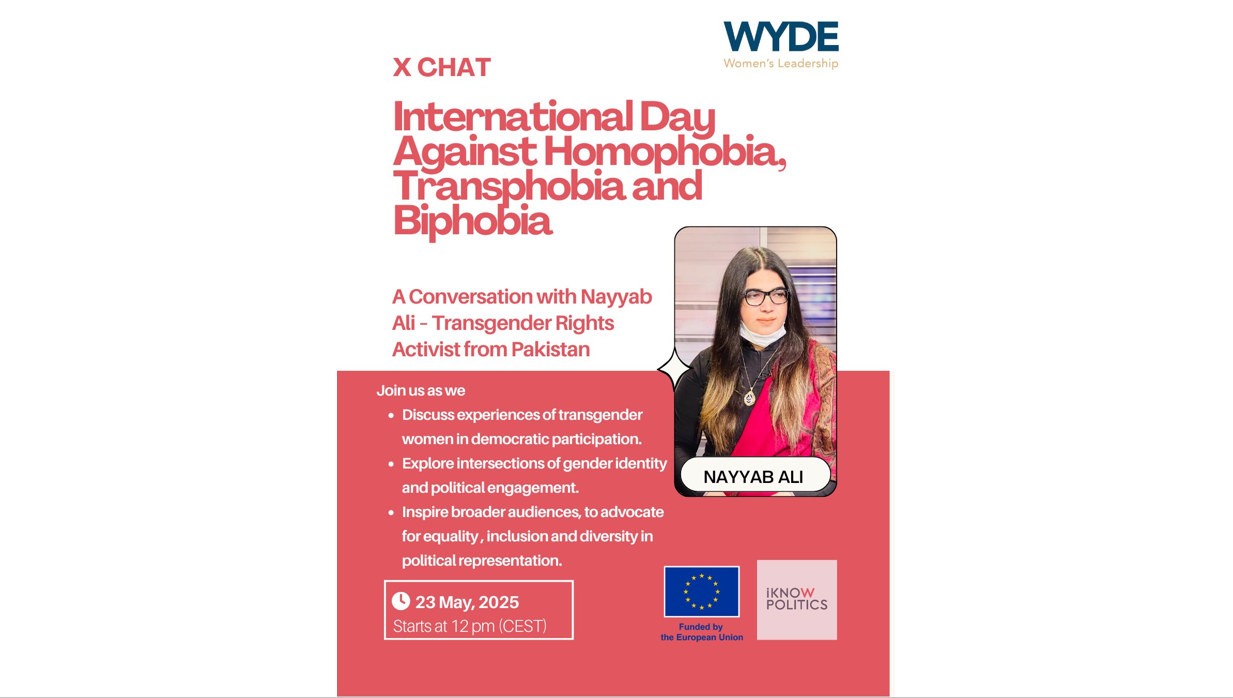
Democracy and the equal participation of men and women in the political arena are closely intertwined. No parliament or any decision-making body can claim to be representative without the participation of both men and women. As stated in the Universal Declaration on Democracy adopted by the Inter-Parliamentary Union’s Member Parliaments in 1997, "The achievement of democracy presupposes a genuine partnership between men and women in the conduct of the affairs of society in which they work in equality and complementarity, drawing mutual enrichment from their differences."
Recent years have seen a steady increase in the number of women in parliament, though the world average of less than 22 percent remains far from the goal of parity between women and men. The election of women to the highest positions of state and government in several countries has also contributed to the changing face of politics.
While the road to election is a difficult one, the challenges for women do not stop there. Once women enter parliament or other bodies, they are faced with many new challenges. Parliament is traditionally a male-oriented domain where the rules and practices have been written by men. It is, therefore, an ongoing challenge to transform parliament into a gender-sensitive environment, to ensure that actions are gender-sensitive and to guarantee that gender is mainstreamed throughout the legislature.
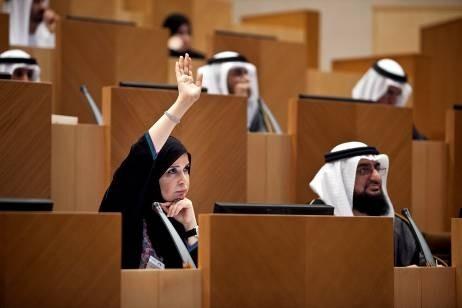
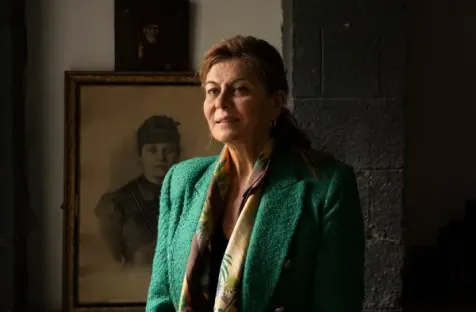
Hind Kabawat, the only female minister in Syria’s new government, in her house, in Bab Touma, a majority Christian neighborhood of Damascus. Hind Kabawat hopes her long experience as a conflict mediator can help Syria’s next generation.
Hi Rulers! You’ve made it to the end of the week. This week we’re taking a look at Gen Z women taking on congressional campaigns. Let’s get to it:

Hi Rulers! You’ve made it to the end of the week. This week we’re taking a look at Gen Z women taking on congressional campaigns. Let’s get to it:

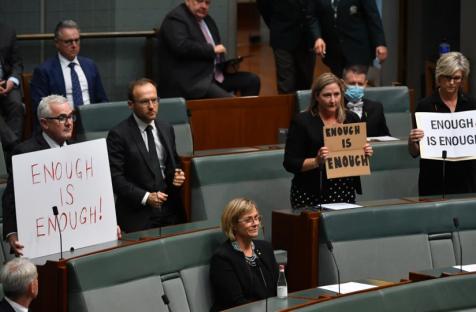
Sexism, harassment and violence against women are rife in parliaments across the Asia-Pacific region, according to a damning report published on Tuesday that lays bare the scale of abuse faced by women in politics.
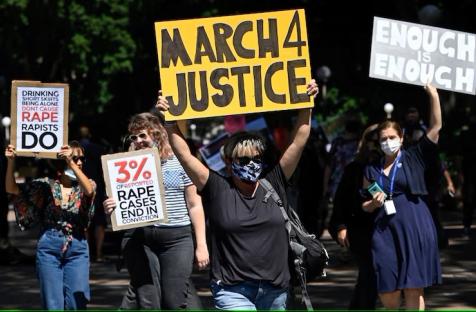
Women in dozens of parliaments across the Asia-Pacific are experiencing significant levels of abuse, violence and harassment, a new report has found, with online abuse a key issue.
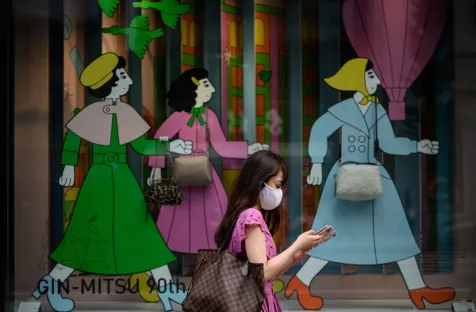
A female Japanese politician has received about 8,000 emails containing death threats after proposing free sanitary pads in public toilets – a wave of online abuse that experts say reflects a deepe
When Myriam Spiteri Debono was pregnant with her third child and campaigning for a national election, a fellow party member actively discouraged voters from supporting her because she was too busy as a mother and breadwinner to serve the public effectively.
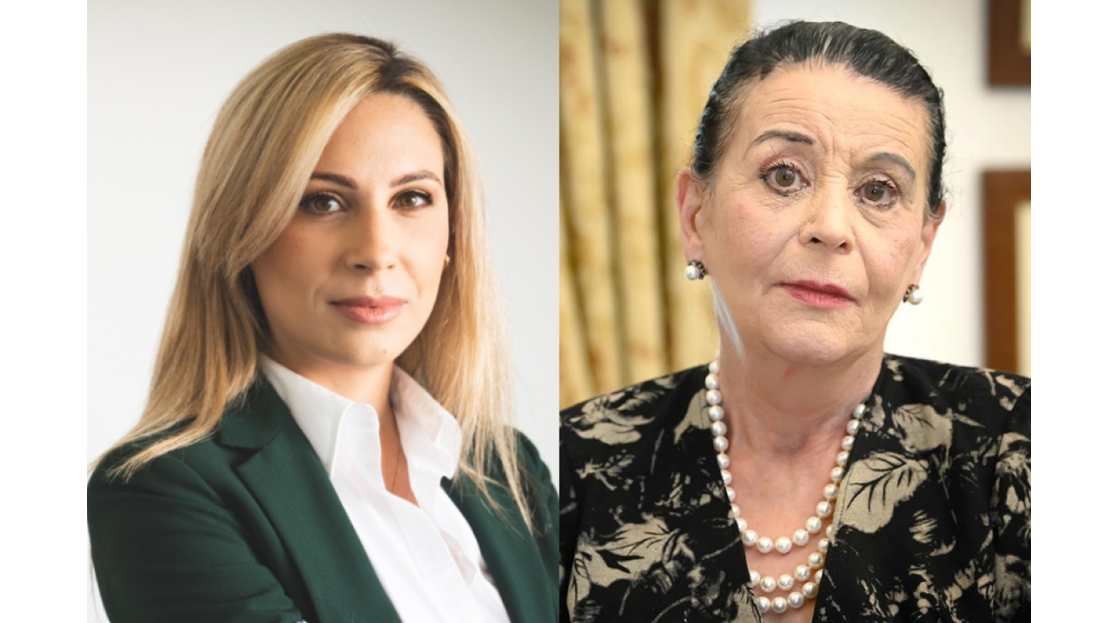
When Myriam Spiteri Debono was pregnant with her third child and campaigning for a national election, a fellow party member actively discouraged voters from supporting her because she was too busy as a mother and breadwinner to serve the public effectively.
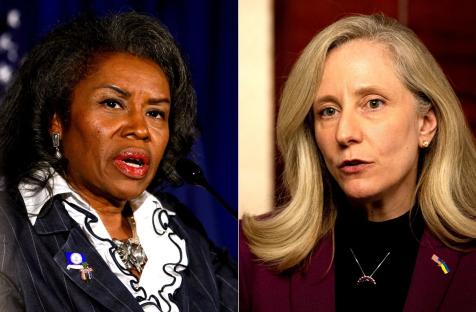
Virginia will likely elect its first woman governor this year.