Johannesburg, 31 May: As election results from the 2024 South African elections pour in, Gender Links (GL) predicts a drop in women’s representation in the national assembly of between three and five percentage points.
"I call on the members of the largest youth generation in history to face the challenges and consider what you can do to solve it. To control your destiny and translate your dreams into a better future for all." Secretary-General Ban Ki-moon
Johannesburg, 31 May: As election results from the 2024 South African elections pour in, Gender Links (GL) predicts a drop in women’s representation in the national assembly of between three and five percentage points.
The reality for women in the Blue Economy is undeniable: their crucial contributions are frequently overshadowed at best; unnoticed at their worst.
From the local to the global level, women’s leadership and political participation are restricted. Women are underrepresented as voters, as well as in leading positions, whether in elected office, the civil service, the private sector or academia.
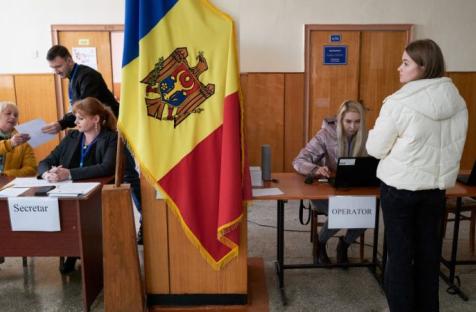
For every additional 100 male voters, 110 additional female voters voted in the first four phases of the general elections, the study says
“For me, a better democracy is a democracy where women do not only have the right to vote and to elect but to be elected.”
Michelle Bachelet, former president of Chile.
“For me, a better democracy is a democracy where women do not only have the right to vote and to elect but to be elected.”
Michelle Bachelet, former president of Chile.
“If you want to know how civilized a culture is, look at how they treat its women.” - Bacha Khan
Why is it important to have more diverse women in spaces of power for democracy in Latin America? How does misinformation and online gender violence operate against them now that they are conquering political spaces?
In an interview with Euronews, gender equality experts believe that the European institutions remain abstract elements in women's lives and a space fuelled by gender stereotypes.