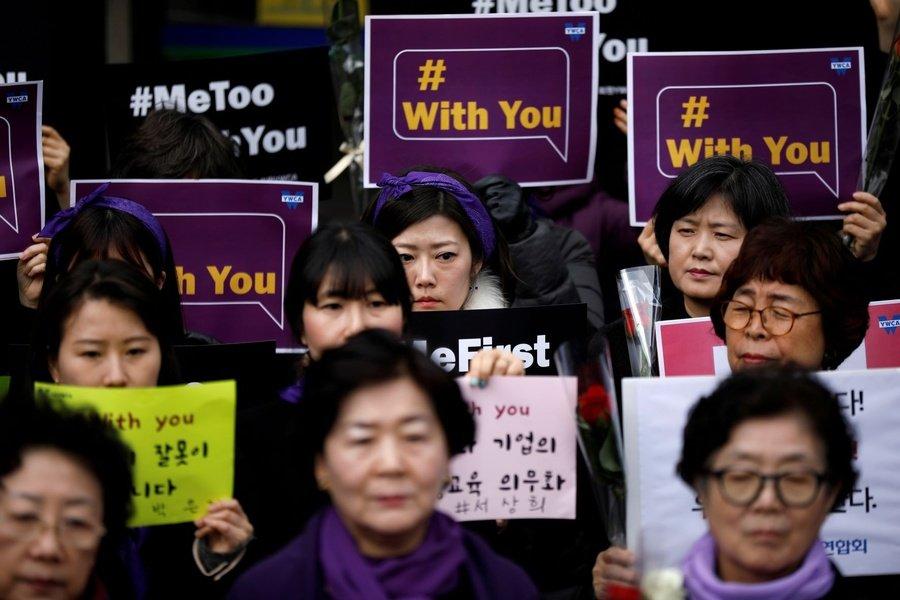
USA: Are minority and women candidates penalized by party politics? Race, gender, and access to party support

Racial/ethnic minorities and women continue to be underrepresented in public office in the United States.
In a representative democracy, political parties function as a link between state institutions and local grassroots organizations. It is political parties that aggregate interests, present political alternatives and nominate candidates. As such, political parties play an essential role for the advancement of women and the promotion of equality. In this section, you will find information on the role of political parties in promoting women's political participation.
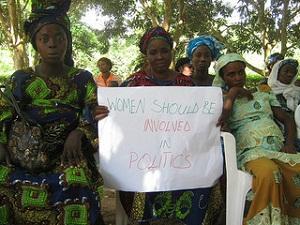
Racial/ethnic minorities and women continue to be underrepresented in public office in the United States.

Although the landscape for female candidates in U.S. politics has improved, research continues to find that many voters possess sexist attitudes.

The country is preparing to hold by-elections on March 26, and the list of candidates shows that there are fewer female candidates than males. Women are said to face several hurdles such as lack of finances to support their electoral campaigns and violence.

In times of crisis, people are more likely to appoint women and people of colour to be leaders. But this puts crisis leaders in a very precarious position.
By Denis Macshane

Women remain underrepresented in political leadership in the United States and beyond.
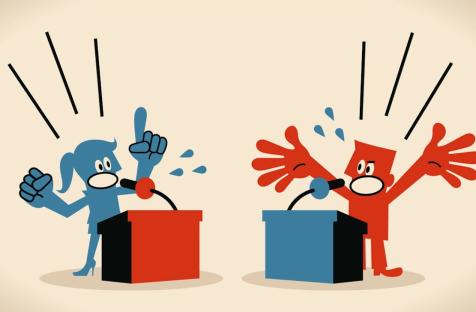
When voters perceive women political candidates to be less electable than men they are likely to vote for a man instead. But there are ways to overcome these often-exaggerated beliefs, according to new Stanford research.