India: women deserve bigger say in politics

By Sushma Ramachandran
In a representative democracy, political parties function as a link between state institutions and local grassroots organizations. It is political parties that aggregate interests, present political alternatives and nominate candidates. As such, political parties play an essential role for the advancement of women and the promotion of equality. In this section, you will find information on the role of political parties in promoting women's political participation.
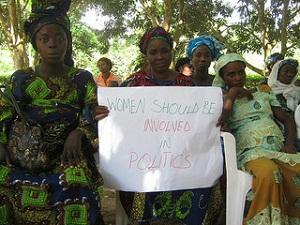
By Sushma Ramachandran
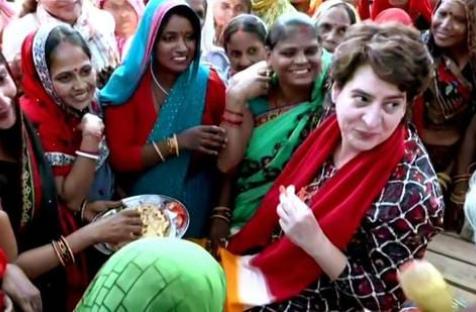
A game of political one-upmanship is being witnessed among the major political parties ever since Congress general secretary Priyanka Gandhi Vadra promised 40% party tickets to women candidates and made some populist announcements for them ahead of the 2022 Uttar Prad

Civil society activists have demanded political parties to award tickets to women aspirants for the local government elections to bring them into the national mainstream.
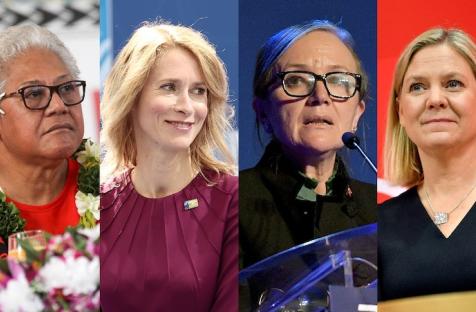
Forty. That's the number of countries around the world that have chosen a woman to lead since Julia Gillard was ousted on June 27, 2013.

This article is the first in a two-part series examining the impact of gender quotas.

Female candidates are overrepresented for marginal seats at the next federal election, while safe seats for both major parties remain dominated by males, an analysis by Guardian Australia shows.

In December 2020, the European Commission released its third Gender Action Plan (GAP III), which lays out how the European Union should promote gender equality in its external relations over the following five years.

By Stella Creasy
Any parent of a newborn knows it’s hard to stay awake, let alone focus on anything else. Maternity leave matters – it’s good for our health, our children and our economy.