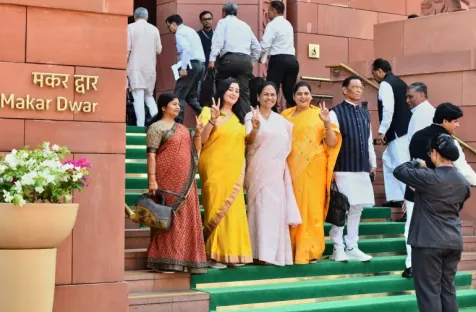
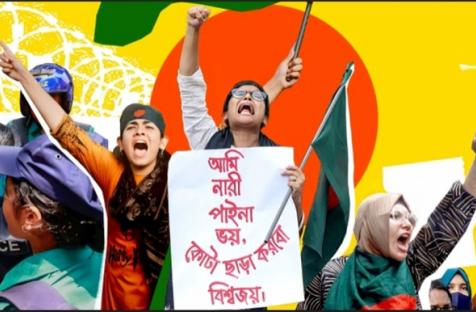
THE lack of women representation in parliaments across the world remains a vexed and contentious issue.
Malta leads the EU in disagreeing that measures such as the gender quota system can solve the underrepresentation of women in politics, despite having a gender quota system itself.
How do you boost women’s representation in government, ask Jay Euijung Lee and Martina Zanella? Simple gender quotas risk being gamed, for instance by parties fielding women in unwinnable constituencies.
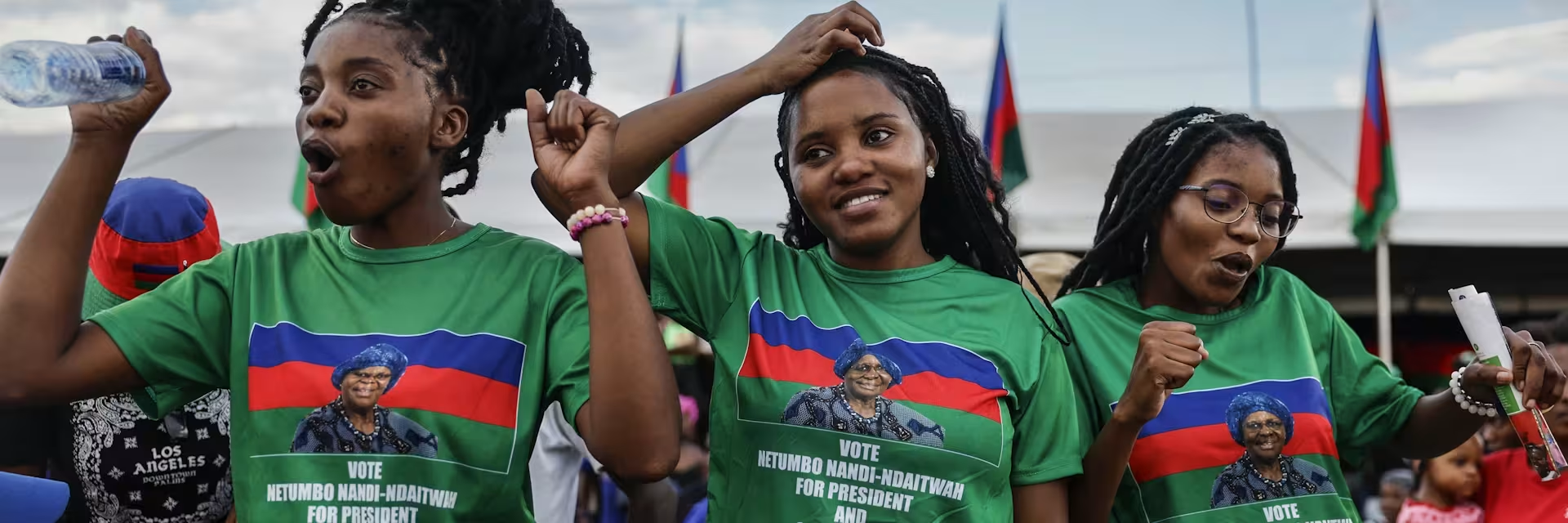
As more African nations seek to encourage gender parity in government positions, some African countries are struggling to fully integrate women into the political sphere.
Gender quotas have become an important mechanism for promoting gender equality in political representation.
In order to achieve true parity, the U.S. needs affirmative actions—gender quotas established by law. This will ensure that women are selected, appointed and supported in politics.
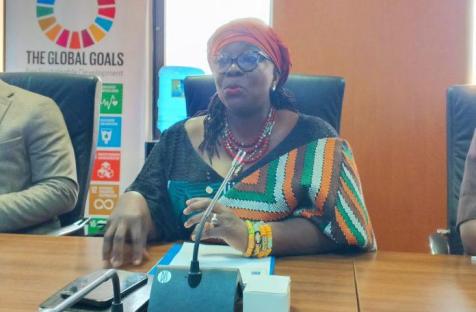
A member of the Economic Community of West African States’ (ECOWAS) Parliament has called for the full implementation of the 30% women representation at the re
Gender quotas have been accepted as a global tool to address men’s overrepresentation in politics.
Women are leaving Quebec politics not because of sexism or double standards or a lack of work-family balance, but because they feel underused in the process of government, according to a survey of 21 women who served in public life.