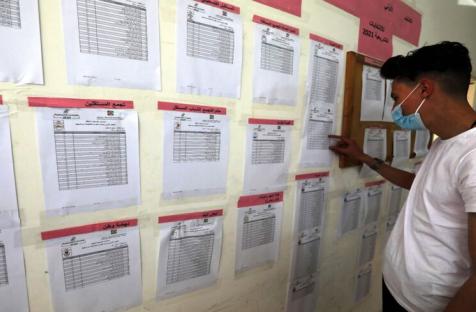
Although the Palestinian electoral law has been amended to raise the quota for women's participation in the Palestinian elections from 20% to 26%, Palestinian women continue to be unfairly represented on electoral lists.
Some countries are better at promoting women’s representation in politics, suggesting social norms may create barriers.
#WomenLead Conversations is a series of interviews with leading experts who
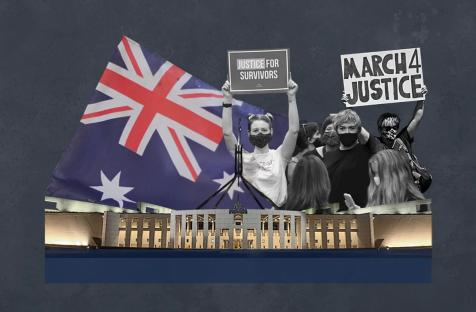
In recent months, Australians have grown accustomed to stories of sexual impropriety by their politicians dominating the news headlines.
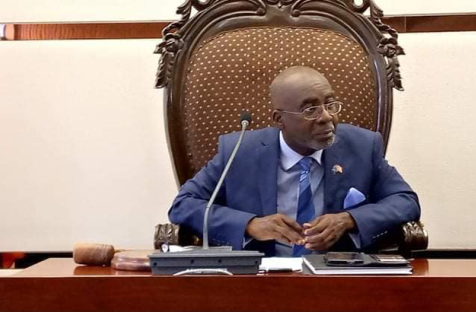
MONROVIA – Campaigns to increase women’s representation in political representation to 30 percent are picking up steam again in the country with Deputy Speaker J.
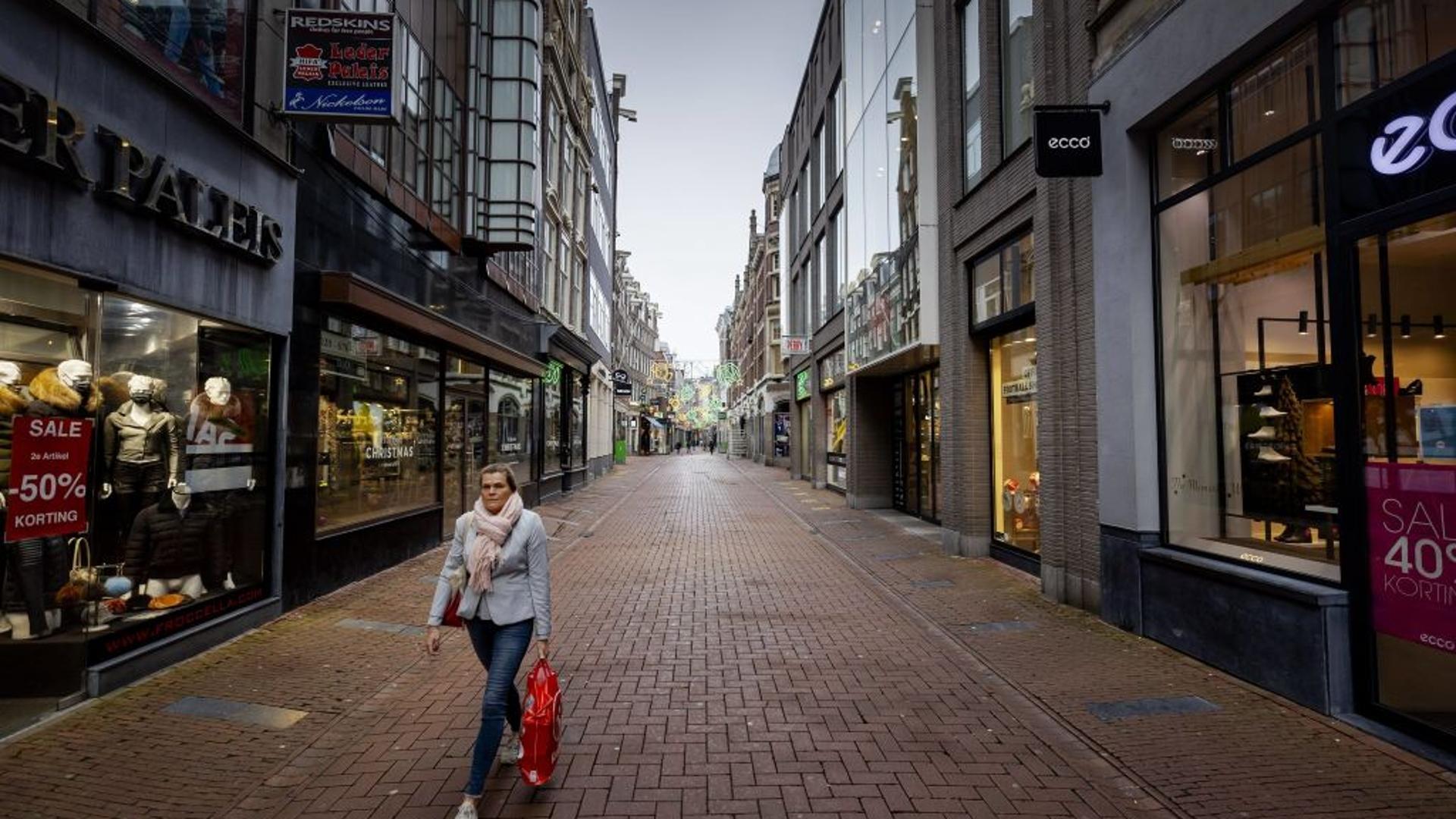
Quotas are unpopular, especially in the liberal Netherlands. But next week its parliament is expected to impose a quota system to ensure major businesses employ more women at the highest levels.
The conventional consensus is that Pakistan lags behind severely in gender equality. However, one area where it has made progress is women in politics. It is one of 70 countries in the world that has had a woman prime minister or president.
Equality Parliamentary Secretary Rosianne Cutajar closes the Second Reading debate on the gender corrective mechanism.