The umbrella body for women’s organisations in the country predicts that the gender gap, particularly in the areas of economic participation and political empowerment, will widen due to the Covid-19 pandemic.
Somali women's urge to directly participate in governance was tremendously boosted on Sunday, following the decision by Lower House to unanimously endorse a 30 per cent quota proposal for affirmative representation in the house.
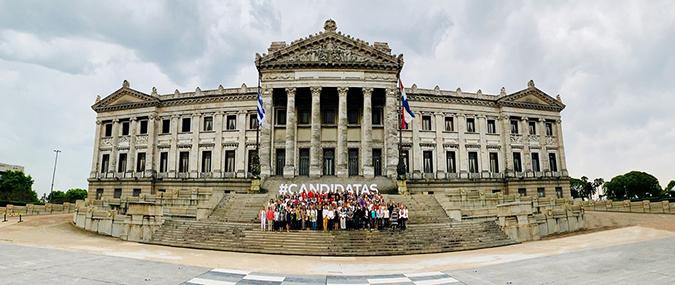
They smile for the camera – the eager new cohort of female parliamentarians. It’s a standard photo, after a general election. A sign, hopefully, of progress.
On May 25, Kazakh President Kassym-Jomart Tokayev signed the law titled “Amendments to the Constitutional Law of the Republic of Kazakhstan,” “Elections in the Republic of Kazakhstan” and the law on “Amendments and Additions to the Law on Political P
To rectify this inequality, a majority of countries (or at least one political party in most) have imposed female electoral quota syst
The below findings and graph are from the book Seeing Women, Strengthening Democracy: How Women in Politics Foster Connected Citizens, authored by Magda Hinojosa and Miki Caul Kittilson and released in 2020.
«On December 20, 2019 during the second session of the National Council of Public Confidence the President made proposals aimed at reforming the current political system.
The Serbian Parliament has announced an amendment to its electoral laws with a new minimum quota of 40 per cent of candidates on electoral lists for parliamentary and local elections from the less-represented gender.