UNIFEM Portal on Women, Peace and Security
WomenWarPeace.org is intended to address the lack of consolidated data on the impact of armed conflict on women and girls as noted by Security Council resolution 1325.
Established international norms and standards promote the protection of women during armed conflict and their participation in peace and security decision-making. The UN Security Council resolution 1325 on women, peace and security (UNSCR 1325) is one of the critical tools for moving the gender equality agenda forward in conflict and postconflict situations.
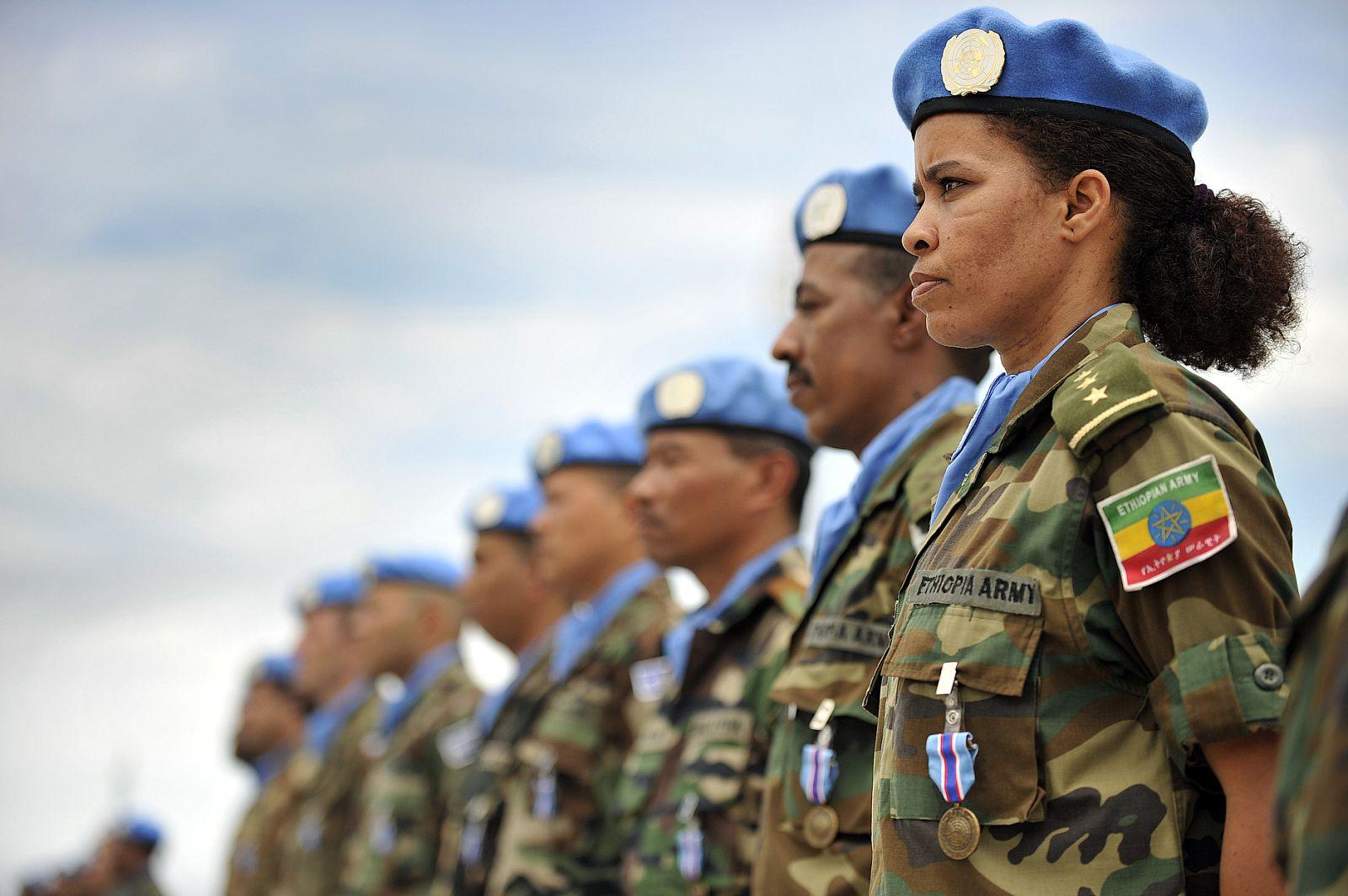
WomenWarPeace.org is intended to address the lack of consolidated data on the impact of armed conflict on women and girls as noted by Security Council resolution 1325.
PeaceWomen.org is a project of the Women's International League for Peace and Freedom (WILPF) that monitors and works toward rapid and full implementation of United Nations Security Council Resolution 1325 on women, peace and security.

Mainstream approaches to conflict and reconstruction fail to recognise how armed conflict exacerbates gender inequality. This pack explores the impact of armed conflict on gender relations, analysing the distinct ways in which women and men are affected.
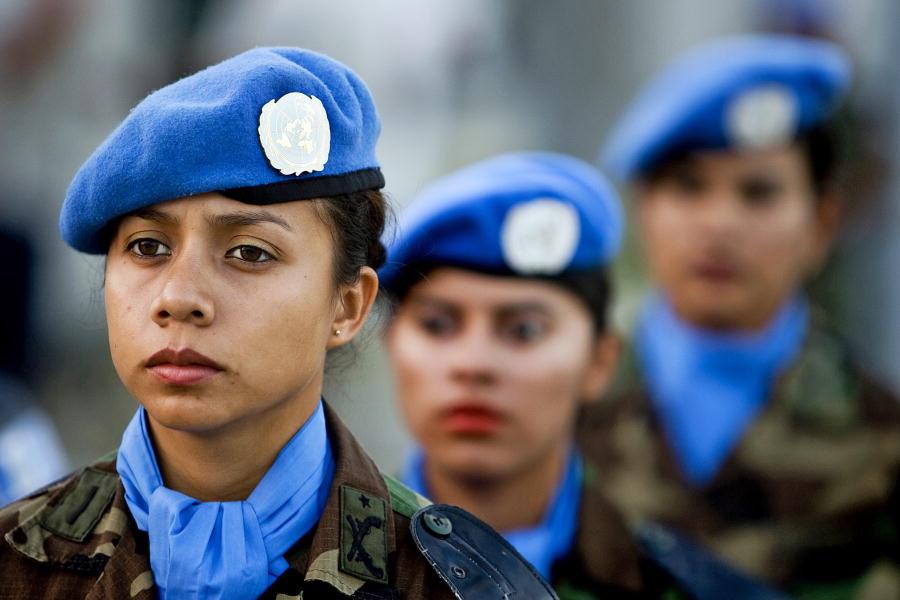
This guide provides concrete recommendations with the following goals: to support women's participation at all stages of a peace process; to promote gender-sensitive peace negotiations and agreements; and to encourage the mainstreaming of a gender perspective throughout the implementation of peac
This report was designed in response to Security Council Resolution 1325 in an effort to document the specific impact of war on women and to explore the potential of involving women in peace processes.
This handbook calls upon participants and decision-makers to consider the needs of women and girls in disarmament, demobilization and reintegration (DDR) processes.
This publication highlights UNIFEM's efforts to ensure that the international commitments made in Security Council Resolution 1325, as well as the Beijing Platform for Action and the Convention to Eliminate All Forms of Discrimination Against Women (CEDAW), are translated into action.

This collection of resources on gender and armed conflict sheds light on how gender inequality intersects with armed conflict and its aftermath, resulting in gender-specific disadvantage that is often overlooked.

Conventional understandings of war and its aftermath overlook the impact on gender relations. Gender inequality pre-dates and is often exacerbated by conflict. But this does not mean that women are always victims and men only perpetrators. Men also suffer from torture and violence.