September 30, 2026
The women’s leadership gap that we should all be talking about
Six out of seven countries in the world are led by a man.

Six out of seven countries in the world are led by a man.
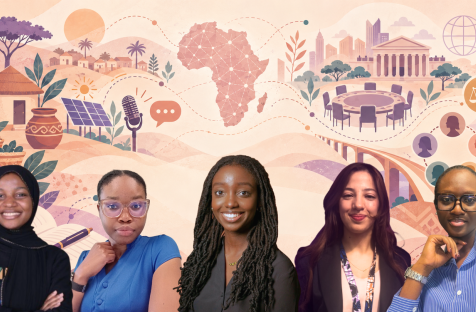
In Sarra Mansour’s hometown in Algeria, water scarcity can last for days. Women manage household resources, adjust daily routines and keep family life steady. Their decisions carry consequences for health, time, and collective wellbeing.
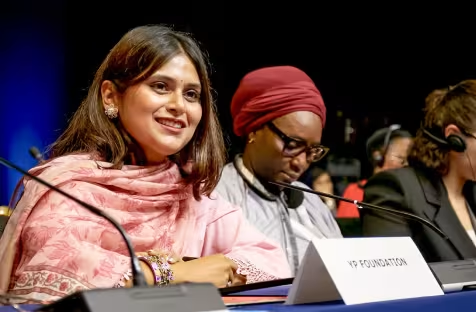
Sanjolli Kumari Padhy is a human rights lawyer and youth advocate from India working with The YP Foundation – a feminist youth-led organization advancing health equity and gender justice in India that is a Commitment Maker for the Feminist Movements and Leadership Action Coalition under t
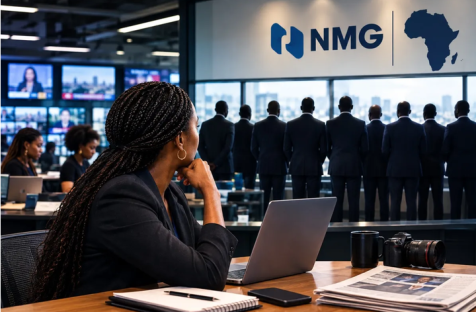
Nation Media Group’s latest regional editorial restructuring has triggered an uncomfortable question about the place of women in African newsrooms: who gets to decide whose voice is heard?
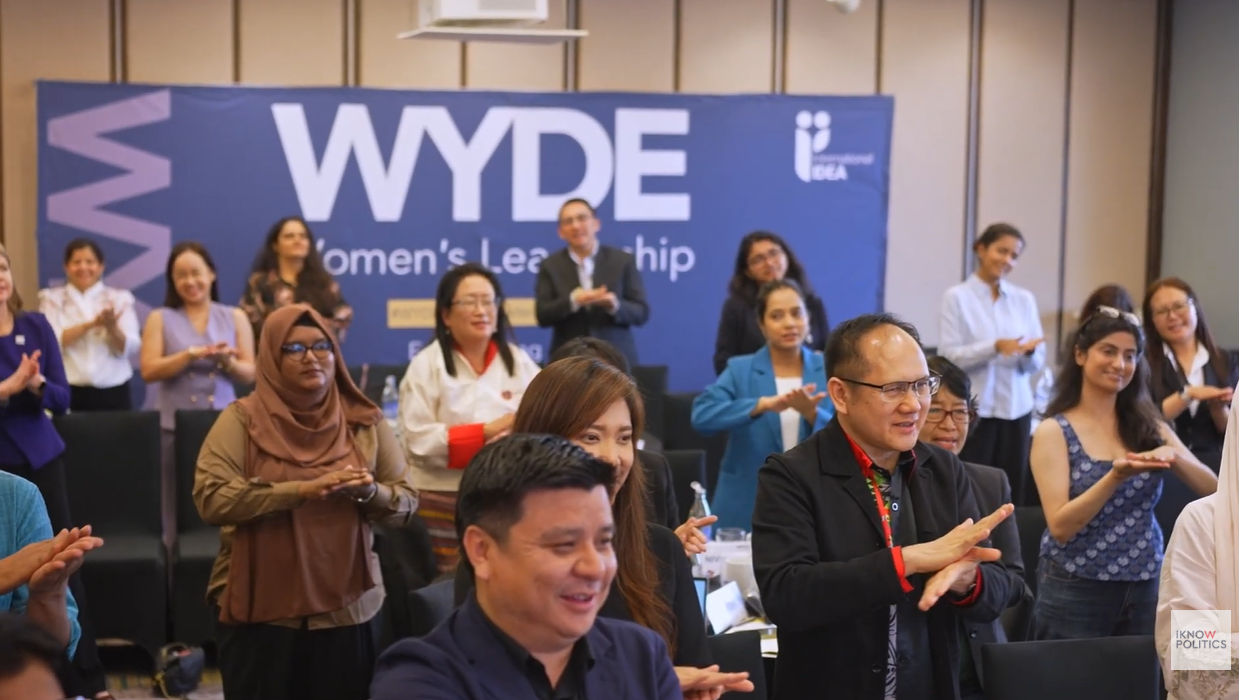
International IDEA organized a two-day South Asia and Southeast Asia Dialogue on transforming gender social norms to advance women’s and youth participation and representation in leadership and decision-making.
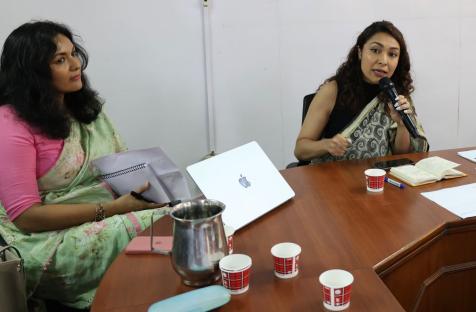
KATHMANDU: The Royal Norwegian Embassy in Kathmandu has said women’s political participation is essential to strengthening democracy and ensuring that decision-making reflects the people being represented.
From capacity building to empowering women in politics: The mark of a project for gender equality.
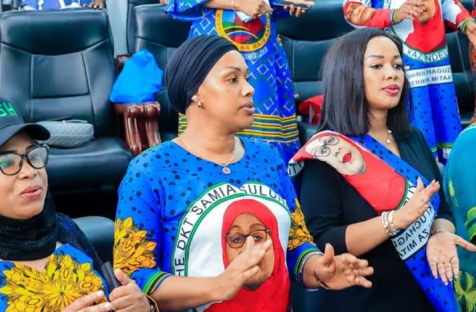
Dar es Salaam. Tanzania will host the first Women’s Parliamentary Conference in November, giving the country an opportunity to strengthen its role in regional peace and security efforts while promoting greater participation of women in political decision-making across the Great L
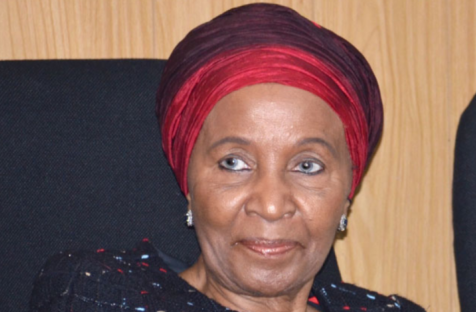
SOUTH AFRICA, Johannesburg FORMER South Africa’s First Lady Ms Zanele Mbeki has called for continuous actions by women from across Africa and the world at large in the struggle for their rights in order to fast track realisation of the iss