Report: 2024 Gender Parity Index
Executive Summary

Executive Summary
WOMEN make up half the population here, so it only makes sense that the rate of women’s participation in politics is improved to better represent Malaysia’s demographic.
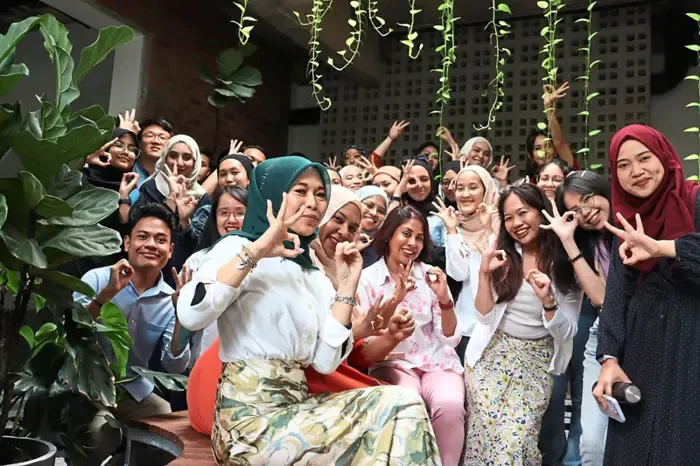
WOMEN make up half the population here, so it only makes sense that the rate of women’s participation in politics is improved to better represent Malaysia’s demographic.
As a young woman in politics, I often wonder when it will no longer matter that I’m a woman in politics and when I’ll be commended for my work alone, no matter my sex.
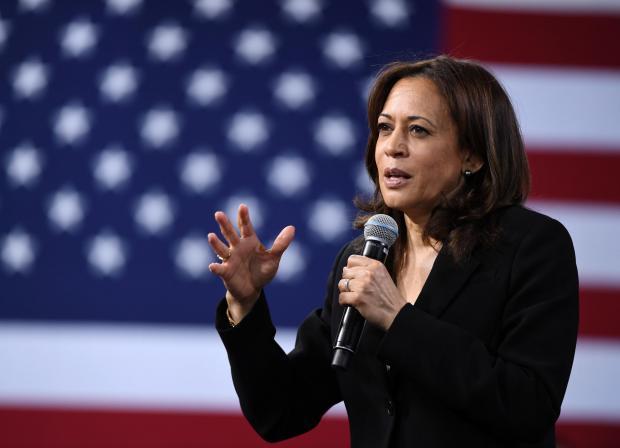
As a young woman in politics, I often wonder when it will no longer matter that I’m a woman in politics and when I’ll be commended for my work alone, no matter my sex.

Up to 63.8 percent of the 80 members of the newly elected Rwandan Chamber of Deputies, the lower house, are women, a list from the National Electoral Commission (NEC) has shown.
There are too many accomplished women in the democracy reform movement whose voices go unheard—which perpetuates misrepresentation in U.S.

There are too many accomplished women in the democracy reform movement whose voices go unheard—which perpetuates misrepresentation in U.S.
The underrepresentation of Nigerian women in governance and politics has been a longstanding issue in political discourse.
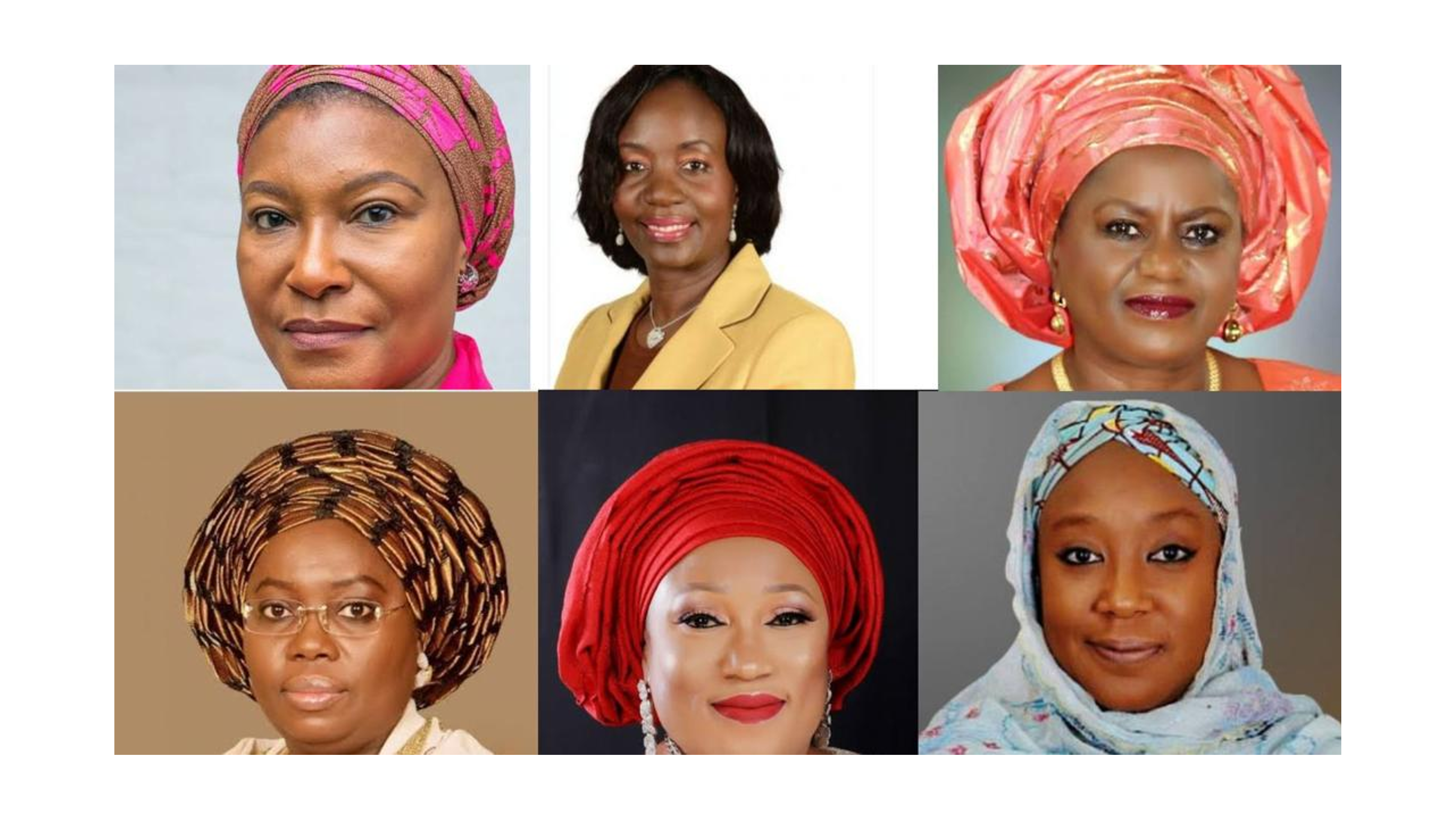
The underrepresentation of Nigerian women in governance and politics has been a longstanding issue in political discourse.

Transport Minister Barbara Creecy and Transnet CEO Michelle Phillips will be critical in changing the direction of South Africa’s economy.
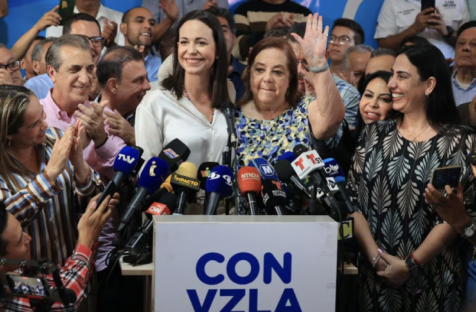
After the double blocking of the unitary candidates in March—first of María Corina Machado and then professor Corina Yoris—the initially provisional candidacy of Edmundo González, who is currently leading the polls, was accepted by the National Electoral Council.
NPR's Ari Shapiro talks to University of Houston's Mirya Holman about why women in political leadership tend to be referred to by their first names more often than their male counterparts.
NPR's Ari Shapiro talks to University of Houston's Mirya Holman about why women in political leadership tend to be referred to by their first names more often than their male counterparts.