Population Reference Bureau (PRB) has released the 2026 World Population Data Sheet, which provides global, regional, and country-specific data on population growth and decline, age structure, and fertility. Disaggregated indicators on health, economy, education, and governance reflect this year’s edition’s special focus on gender equality and well-being.
The report finds that “women’s political representation remains far from equal,” with women holding half or more seats in national legislatures in only seven countries. In 127 countries, or about two-thirds of those with data, less than one-third of seats belong to women. These include high-income democracies like the US, Canada, Ireland, Greece, and Japan. The report chalks up this representation gap to structural barriers such as “electoral systems that disadvantage women, weak or poorly enforced quotas, and unequal access to leadership positions – as well as violence and harassment that discourage women from politics.”
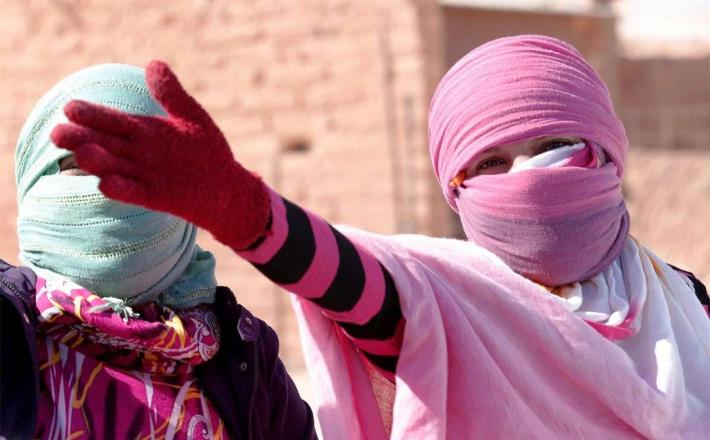

Hear from women leading change in the political space share their experiences and insights.

Explore a wide-range of audio-visual resources on key topics of gender equality.
Hear from a diverse list of panelists and guests as they reflect on critical issues pertaining Women in Politics.