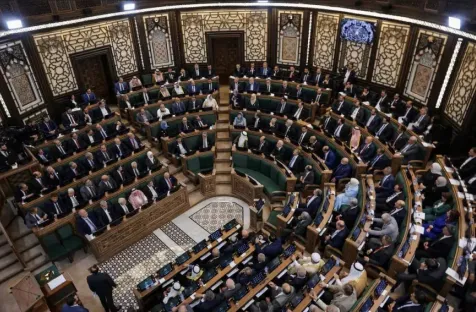
Syrian women face systematic exclusion, marginalization and denial of their role across political, administrative, educational and economic spheres.
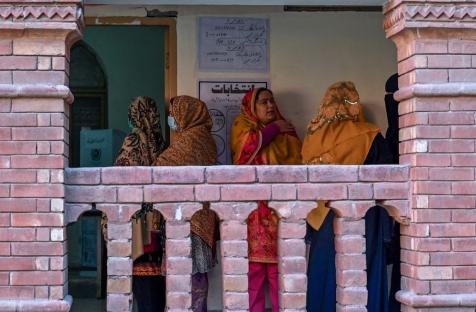
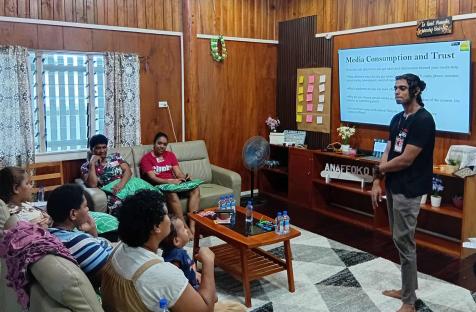
Reena Wazir, a student at the University of Punjab, was scrolling through social media one night when she came across a video which shocked her. At first, she thought it was real. The clip appeared to show scenes from a drama, but something about it felt wrong.
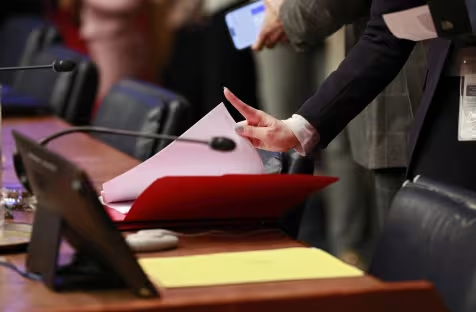
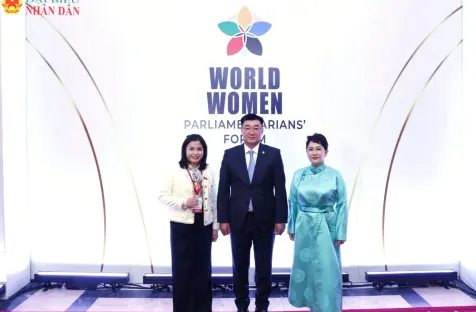
At the invitation of the Speaker of the Mongolian Parliament, the Vietnamese National Assembly delegation attended the World Forum of Women Parliamentarians with the theme "From Representation to Influence in the Decision-Making Process" from October 12-13, 2026 in Ulaanbaatar, Mongolia.
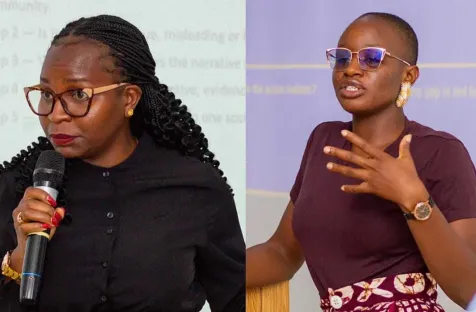
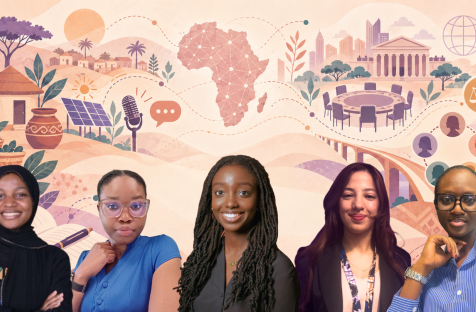
Young women participating in politics have identified patriarchy, limited access to mentorship, political networks and unsafe political environments as major barriers preventing them
“We portray women because of their feminine side rather than the things they’ve been able to achieve…‘Mother of five secures whatever’…Would you say ‘father of five’? No, of course not.”
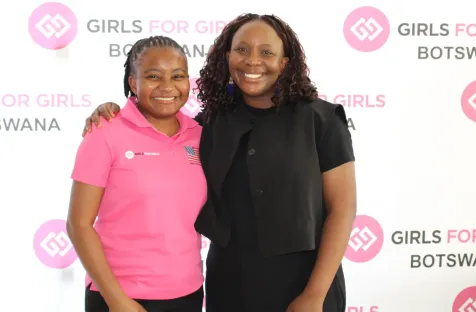
Despite Botswana’s democratic reputation, women remain significantly underrepresented in political leadership. Women make up less than 10% of the country’s current parliament, leaving too few visible pathways for young women aspiring to lead.
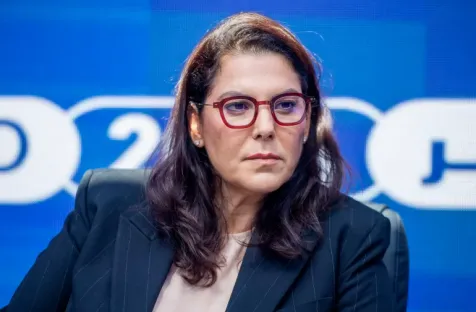
Morocco’s King Mohammed VI has named Fatima Ezzahra El Mansouri as prime minister, making the 50-year-old the first woman to hold the role in the kingdom and the third woman to serve as prime minister in the Arab world.
Six out of seven countries in the world are led by a man.
In Sarra Mansour’s hometown in Algeria, water scarcity can last for days. Women manage household resources, adjust daily routines and keep family life steady. Their decisions carry consequences for health, time, and collective wellbeing.