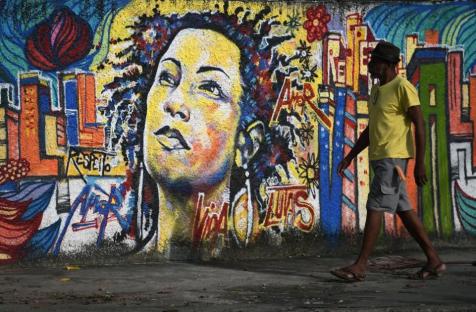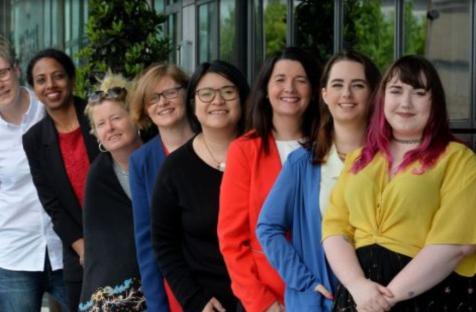
Why does a lower proportion of women get elected than stand for election? That was a key question posed at a meeting held in Dublin to discuss the barriers facing women entering politics, in the wake of the recent local elections.
With a record 78 MPs, this election proved that female candidates can win.
Meet some first-timers without any political lineage to find out the odds they conquered on the way to Parliament.
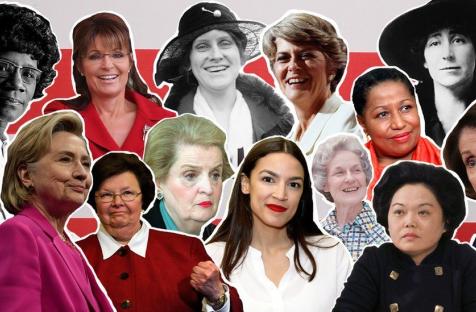
One hundred years ago - on 4 June 1919 - Congress approved the 19th Amendment to the US constitution guaranteeing the right of American women to vote.
Cases of brutal murders and attacks of female politicians in recent years have raised the question, is political violence targeting women on the rise?
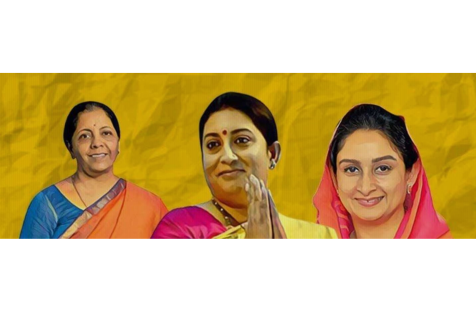
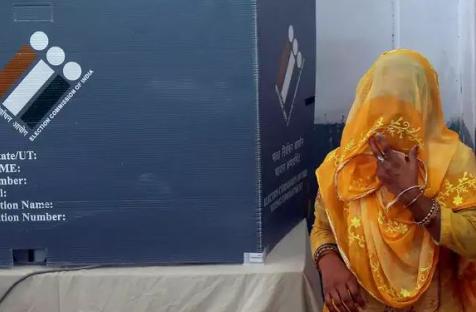
The newly-elected 17th Lok Sabha set the record with highest number of woman: 78 MPs. However, Prime Minister Narendra Modi’s cabinet, which was sworn-in on Thursday, in a largest-ever gathering, has only six women ministers in the government.
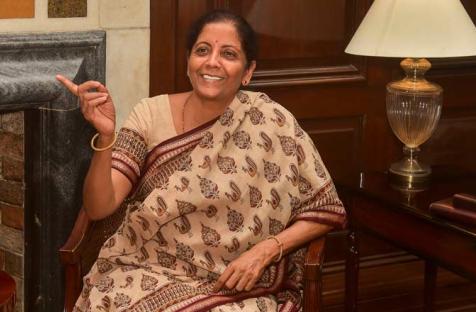
Breaching a largely male bastion, India's new Finance Minister Nirmala Sitharaman on Friday became the first woman in 48 years since then prime minister Indira Gandhi to hold charge of the key ministry.
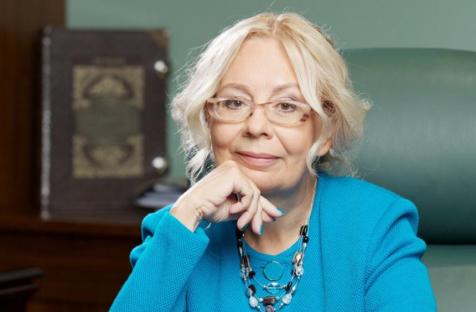
Top court justice Brigitte Bierlein was named to become Austria's first female chancellor Thursday, tasked with forming a caretaker government until September's snap election.