In Kenya’s political arena, women are rarely seen as leaders in their own right. Instead, they are often labelled with degrading terms like flower girls or slay queens, or portrayed as sidekicks to powerful men.
That women in Nigeria who have been the backbone of community building, peace processes, and national development have not been well represented in the decision making and governance of the country is no longer a tale as the evidence abound for all to see.
On August 15, 2021, the lives of the Afghan people underwent a stochastic lifestyle shift.
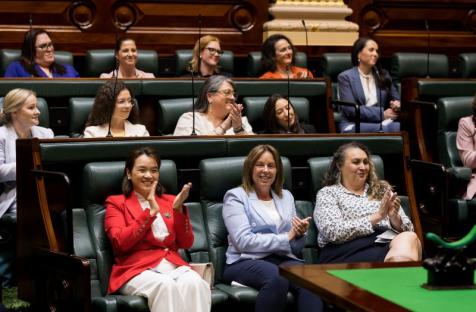
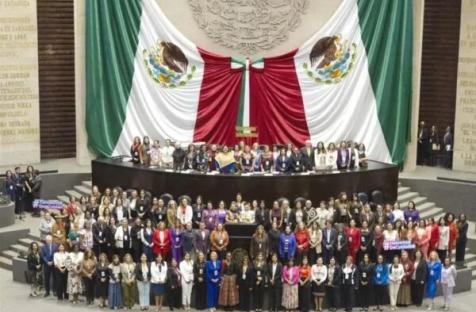
Women’s voices and experiences are crucial for the functioning of our democracy. Yet, despite many women’s roles as community leaders right across the island, they remain significantly underrepresented in our political system North and South.
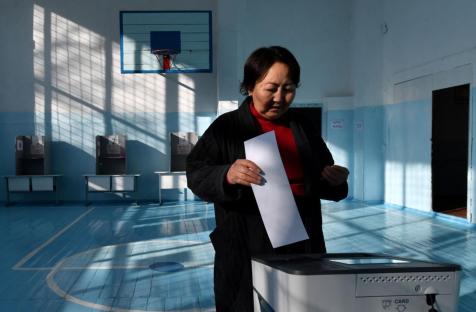
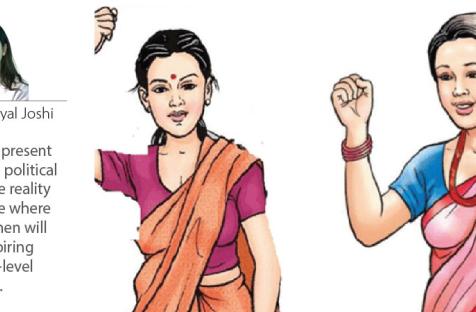
Nepal is heading to the polls in less than two years. Voters will choose their representatives for three tiers of government – the local, provincial, and federal – which will shape Nepal’s political course until the early 2030s.
Today, UN Women is releasing new data which shows that, despite this ban, the vast majority of Afghans – women and men alike – support girls’ education.
In a nationwide, door-to-door survey of more than 2,000 Afghans, 92 per cent said it was “important” for girls to continue their schooling, with support cutting across rural and urban communities.
Reacting to the ratification of the Protocol to the African Charter on Human and Peoples’ Rights on the Rights of Women in Africa, (