Colombia becomes the first Latin American country to ban female genital mutilation
Source: Global Voices
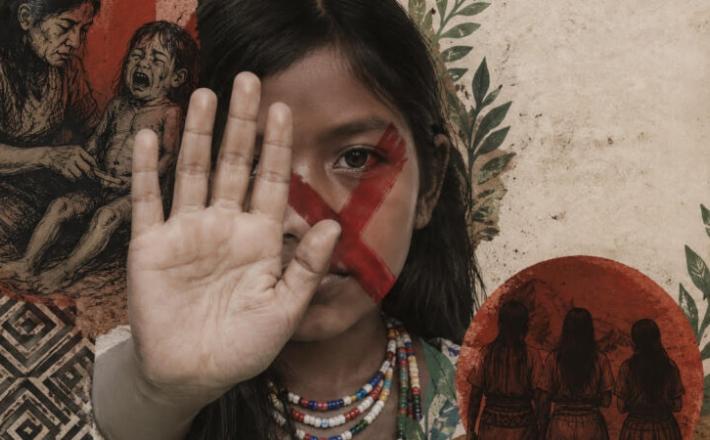
Nine days remained — just nine days before the deadline expired, the bill died, and years of work would have to begin again from scratch. But on June 10, 2026, the Colombian Senate finally voted and gave its approval, making Colombia the first country in Latin America to prohibit female genital mutilation (FGM). Bill 440 of 2025, known as “Niñas sin Ablación” (“Girls Without Ablation”), is a law that was not born in a legislative office, but rather, within the communities that needed it most.
On March 22, 2007, three newborn girls from the Emberá Chamí community died from an infection after being subjected to genital mutilation. It was the first documented case to reach official records, though it is believed it was not the first to occur.
Since then, Colombia has remained the only country in Latin America to officially acknowledge that female genital mutilation is still practiced within its borders. Rather than that acknowledgment being a source of shame, it allowed the state to begin taking action and helped place the eradication of FGM on the global Sustainable Development Goals agenda — but twenty years later, without a law to support those efforts, recognition alone was not enough to protect anyone.

Hear from women leading change in the political space share their experiences and insights.

Explore a wide-range of audio-visual resources on key topics of gender equality.

Hear from a diverse list of panelists and guests as they reflect on critical issues pertaining Women in Politics.