The Badienou Gokh – which means, “community godmothers” or “neighbourhood mentors” – occupy a unique place in Senegalese communities. Known for their proximity and empathy, these trusted godmothers support women and girls who have experienced or are experiencing violence and abuse. They help survivors with the difficult work of speaking out, which can often be risky.
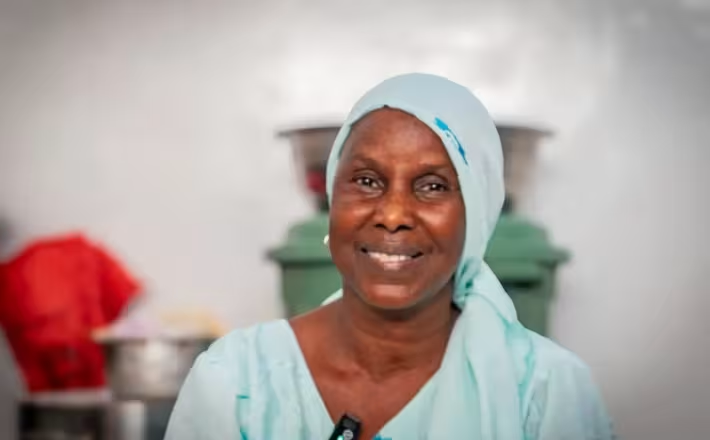
Today, as Secretary General of the Badienou Gokh (pronounced bah-dyen-oo gohk) of Tambacounda, Tacko Sall’s home is often one of the first places where women and girls turn to for support, guidance, and protection. She has become a reassuring presence, a trusted listener, and a first point of support.
In a region where more than a quarter of women experience physical, sexual, psychological, or economic violence, her role often begins where formal justice systems and support services have not reached. She can step inside homes, hear the whispered conversations, and witness the hesitation that comes before seeking help.
For Tacko Sall, this commitment has become a daily responsibility. She raises awareness, provides guidance, refers survivors to health, justice, and social protection services, and mobilizes local actors whenever cases of violence are reported. Through the support of Global Affairs Canada and the KAARANGUE Project – which means “protect” in Wolof and is implemented by UN Women – this community-based work has been strengthened through training and tools that enable more structured support for survivors.
But protecting women also requires resources.
“Sometimes, cases are referred to us, and we do not even have enough money to cover transportation costs to reach them”, Tacko Sall explains.

Hear from women leading change in the political space share their experiences and insights.

Explore a wide-range of audio-visual resources on key topics of gender equality.

Hear from a diverse list of panelists and guests as they reflect on critical issues pertaining Women in Politics.