From data to action: UN Women advances a regional data agenda for gender-responsive climate action
Source: UN Women
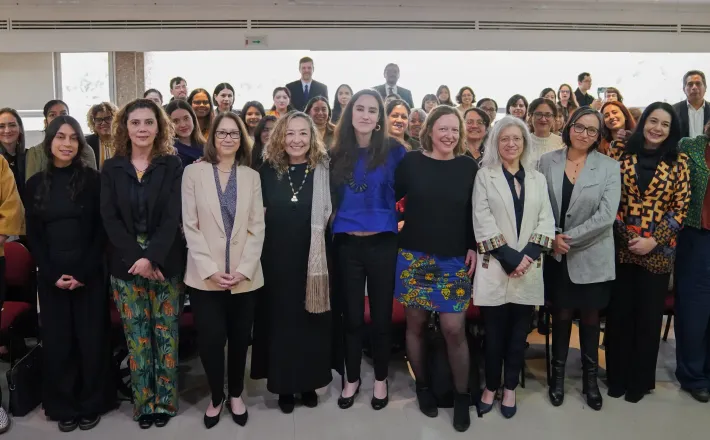
On 2 and 3 July, Mexico City hosted the regional workshop “Advances in the Development of Gender, Environment and Climate Change Indicators and their Georeferencing,” organized by UN Women Mexico. The event brought together nearly 100 participants, both in person and online, from 16 countries across Latin America and the Caribbean. Representatives from national women's machineries, ministries of environment, national statistical offices, international organizations, and research institutions came together with a shared objective: to strengthen the production and use of data to support more effective, gender-responsive public policies to that address the climate crisis.
The triple planetary crisis affects women and men differently. While women face disproportionate risks and inequalities resulting from climate change, they also play a critical role in the sustainable management of natural resources, biodiversity conservation, and the development of adaptation and resilience solutions. Yet these contributions remain largely invisible in the data that inform public decision-making. Producing evidence that captures both gender inequalities and women's contributions to climate action is essential for designing more effective and inclusive policies.

Hear from women leading change in the political space share their experiences and insights.

Explore a wide-range of audio-visual resources on key topics of gender equality.

Hear from a diverse list of panelists and guests as they reflect on critical issues pertaining Women in Politics.