As 2026 began, amid proliferating armed conflicts and the escalating climate crisis around the world, more than 239 million people were identified as being in urgent need of humanitarian assistance and protection. Conflicts are not only becoming more protracted – they are also growing deadlier, as international humanitarian and human rights law is blatantly disregarded and attacks on civilian infrastructure become more frequent.
Today’s global crises are also interlinked: three in four people who are forcibly displaced live in countries facing high-to-extreme exposure to climate-related hazards and weather-related disasters, according to a UNHCR report on extreme weather and repeated displacement.
Crises are not gender-neutral. Women and girls are disproportionately affected due to pre-existing gender inequalities and discriminatory social norms, which limit their access to humanitarian aid, services, resources, and decision-making power.
It is not surprising that the 30-year review of progress on the landmark Beijing Declaration and Platform of Action found that progress for women and girls is slowest in conflict and crisis-affected countries. The review raised the alarm about how ongoing trends may further thwart progress.
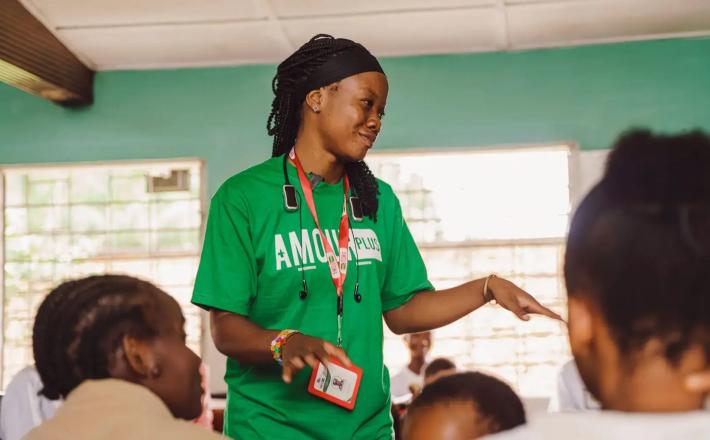

Hear from women leading change in the political space share their experiences and insights.

Explore a wide-range of audio-visual resources on key topics of gender equality.

Hear from a diverse list of panelists and guests as they reflect on critical issues pertaining Women in Politics.