It is now five years since the Taliban takeover in Afghanistan – the second time they seized power in the country. Since August 2021, the de facto authorities (DFA) have issued more than 100 decrees affecting women and girls, stripping them of their rights and institutionalizing discrimination against them.
In the past year, this organized exclusion of women and girls from education, health services, and work – and restrictions on their movement and access to public life – has only intensified.
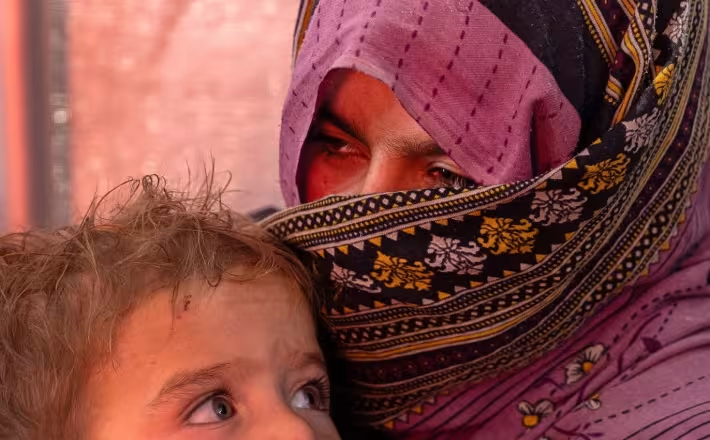
No other country in modern times has dismantled the rights of half its population through law, policy, and practice to the same extent. At the same time, overlapping humanitarian and economic crises and deepening poverty are also having a disproportionate impact on women and girls.
Half a decade in, the most severe women’s rights crisis in the world is being normalized.
The short answer: no – and the risks are rising.

Hear from women leading change in the political space share their experiences and insights.

Explore a wide-range of audio-visual resources on key topics of gender equality.

Hear from a diverse list of panelists and guests as they reflect on critical issues pertaining Women in Politics.