Electoral Quotas in Bolivia
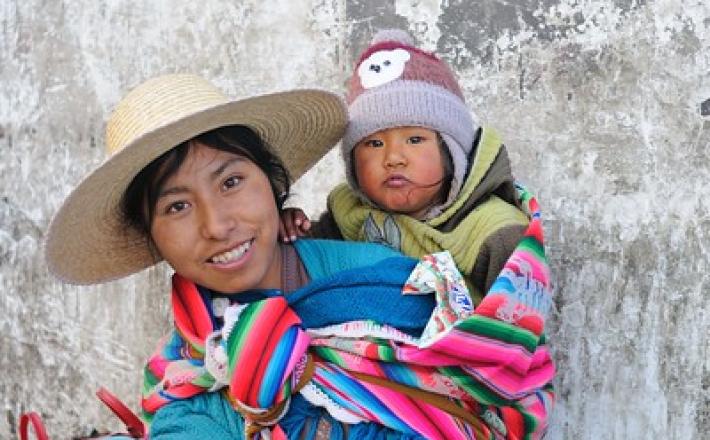
Electoral quotas are most commonly associated with increasing women’s political participation. However, some countries have also used electoral reforms to improve the representation of Indigenous peoples. Bolivia is a prime example. Although Indigenous peoples make up around half of the population in Bolivia, they have historically faced political exclusion, discrimination and disproportionately high poverty rates.
While political representation alone cannot eliminate poverty, Bolivia’s reforms have helped create more inclusive institutions that support Indigenous communities. Alongside the efforts of organizations such as the International Work Group for Indigenous Affairs (IWGIA) and development partners like the United Nations Development Programme (UNDP), these reforms have contributed to stronger land rights, expanded public services and greater opportunities for Indigenous communities to participate in decisions that affect their futures.
Poverty in Bolivia
Although Indigenous peoples make up a significant share of Bolivia’s population, they have historically experienced higher levels of poverty than the national average. According to the World Bank, rural areas where Indigenous populations are disproportionately concentrated recorded a moderate poverty rate of 77.3% and an extreme poverty rate of 63.9% in 2007. These communities have also faced longstanding barriers to accessing quality education, health care and other public services.
Indigenous political representation in Bolivia can help address these disparities by giving Indigenous communities a stronger voice in decisions affecting their livelihoods. This can contribute to policies that expand public services, strengthen land rights and improve economic opportunities. More inclusive political institutions can support policies that expand access to public services, protect land rights and promote economic opportunities in historically marginalized communities.

Hear from women leading change in the political space share their experiences and insights.

Explore a wide-range of audio-visual resources on key topics of gender equality.
Hear from a diverse list of panelists and guests as they reflect on critical issues pertaining Women in Politics.