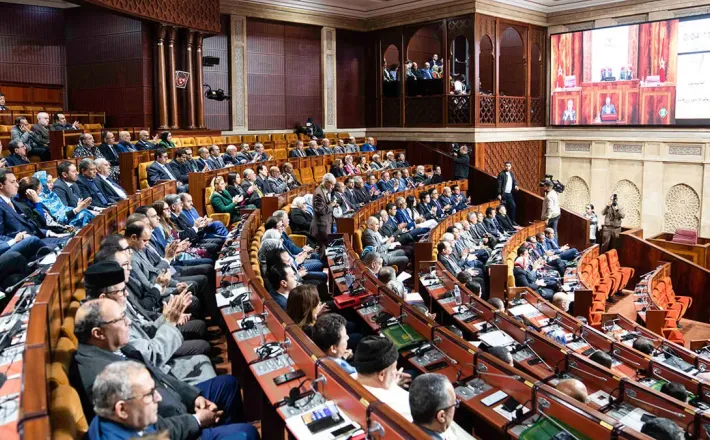
The Kingdom of Morocco is implementing statutory mechanisms across its electoral framework to reinforce female representation in Parliament and expand women's participation in political decision-making. These measures focus on reserving regional electoral constituencies exclusively for female candidates while enforcing greater gender balance in the founding charters and executive bodies of political parties, aligned with standards championed by the United Nations (UN) and UN Women.
Ahead of the 2026 general elections and amid ongoing institutional modernisation, electoral governance reform has emerged as a central pillar of Rabat’s domestic reform agenda.
Electoral reform as a national institutional priority
The overhaul of the electoral code aims to enhance procedural transparency, boost civic turnout, and deliver more balanced gender representation in the House of Representatives. These provisions are designed to build upon previous legislative milestones and secure an institutional role for women within elected assemblies.
Expanding women's leadership within senior governing bodies represents an enduring priority within the reform agenda directed by King Mohammed VI. The primary objective is to deepen the participation of women in civic affairs and advance toward representative governance, both within state institutions and partisan structures, in harmony with governance benchmarks supported by the European Union.

Hear from women leading change in the political space share their experiences and insights.

Explore a wide-range of audio-visual resources on key topics of gender equality.

Hear from a diverse list of panelists and guests as they reflect on critical issues pertaining Women in Politics.