Mozambique: Women, capulana dresses, and police violence stand out at Nampula protests
Source: Global Voices
Days before April 7, Mozambican Women’s Day, women protestors took to the streets of Nampula city protesting over Mozambiquan first lady Gueta Chapo’s failure to deliver on promises to give out capulanas (colorful dresses popular in Mozambique) in celebration of the date. This is reminiscent of political protests following the 2024 general elections, when demonstrators took to the streets and women — many wearing capulanas — visibly stood out amid intensifying confrontations with police and roadblocks. Similar demonstrations occurred in Anchilo after the first lady announced she had no capulanas to offer. Two people were wounded by bullets during the confrontation.
Capulana: From cultural symbol to tool of resistance
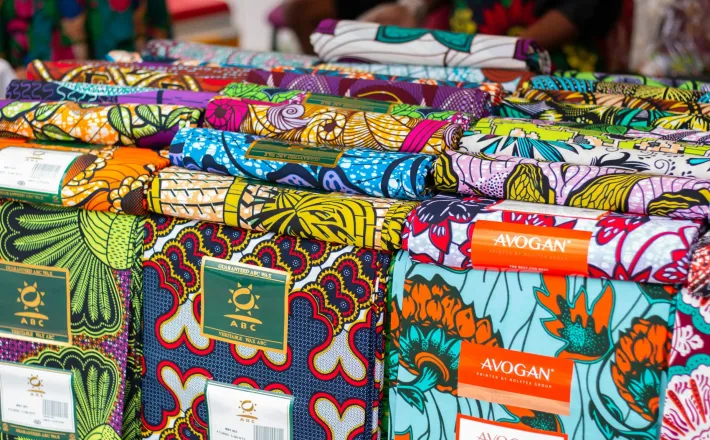
The capulana is central to Mozambiquan cultural identity and is a staple for many women. However, this garment gained new significance amid the protests in Nampula. Beyond mere clothing, protesters used it as improvised protection against tear gas, and it became a visual symbol of unity and resistance, building on its earlier association with women’s participation in the national liberation struggle and, in turn, with the image of independence activist Josina Machel.
The use of culturally significant objects in protests is not new. Studies in African contexts show how traditional fabrics and symbols can take on political importance during crises and demonstrations. The growing number of women protesters reflects an upward trend of female participation in civic life in Mozambique.
Organizations such as Amnesty International and Human Rights Watch have documented risks faced by protesters, including excessive use of force, arbitrary arrests, and intimidation — with varying impacts on women and young people. An activist who asked not to be identified told Global Voices, “Women are no longer just observers. They are part of the movement.”

Hear from women leading change in the political space share their experiences and insights.

Explore a wide-range of audio-visual resources on key topics of gender equality.

Hear from a diverse list of panelists and guests as they reflect on critical issues pertaining Women in Politics.