When Politics Becomes Costly... Are Financial Resources Turning Into an Obstacle for Moroccan Women?
Source: Jinhaagency
Morocco — Political participation is not tied to will and competence alone; it also requires the ability to bear the cost of electoral campaigns, travel, communication, and continuous engagement in party work. Although women currently hold 96 of 395 seats in the House of Representatives — the highest level of women's representation in the history of Morocco's legislative institution — a number of women active in the field believe that higher representation does not necessarily mean equal opportunity, given the persistence of economic challenges that can hinder women's access to positions of decision-making.
Amid the debate over representation, another question arises concerning what precedes access to elected institutions: do all women have equal opportunities to enter the world of politics, or have financial resources become an unspoken factor determining who can continue and who is forced to step back?
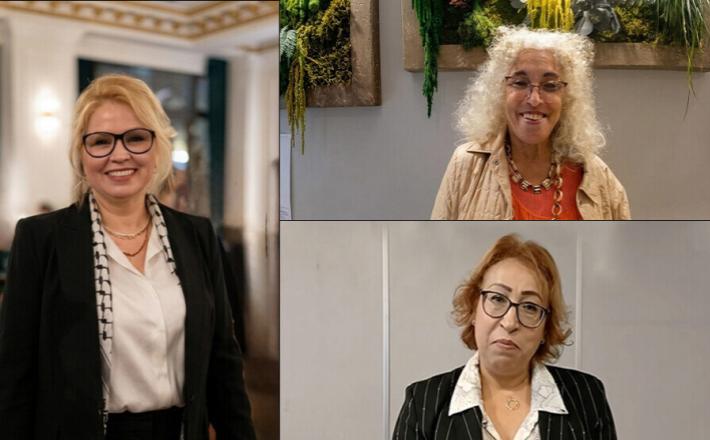
The experience of Halima El Fekri, deputy head of the Sidi Othman district in Casablanca, reflects part of this reality. For her, the hardest thing she faced over more than two decades of political work was not convincing society that women are capable of leadership, but bearing the financial cost that political practice demands.
Hear from women leading change in the political space share their experiences and insights.

Explore a wide-range of audio-visual resources on key topics of gender equality.
Hear from a diverse list of panelists and guests as they reflect on critical issues pertaining Women in Politics.